Embracing Boredom: A Path to Fostering Creativity in Children
August 31, 2025 - 04:16
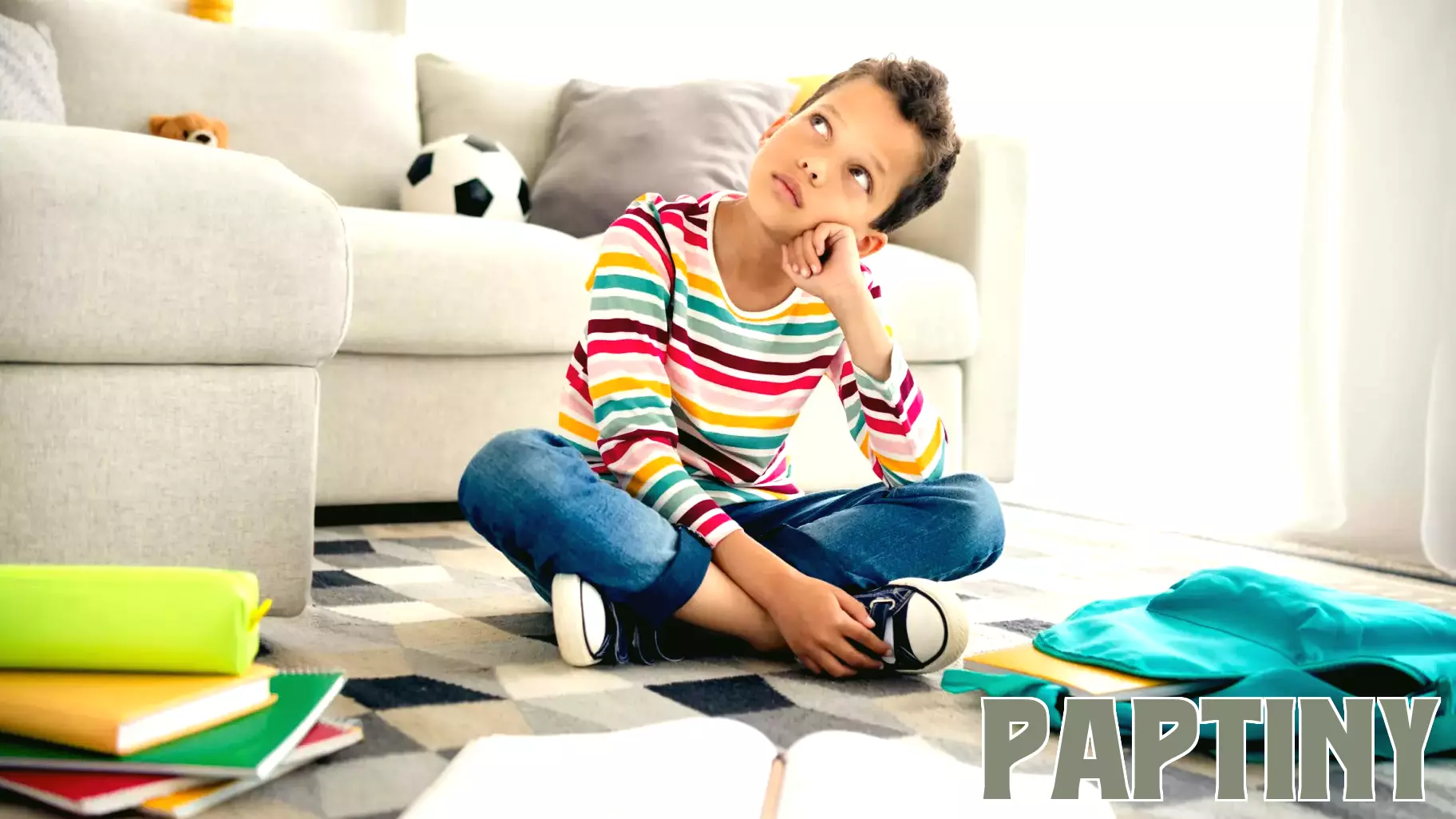
In a world dominated by screens and constant stimulation, allowing children to experience boredom might be one of the most beneficial parenting strategies. Research suggests that a little boredom can serve as a catalyst for creativity, resilience, and independence. When children are left to their own devices without the distraction of technology, they are encouraged to engage in imaginative play and problem-solving.
Boredom can push children to explore their surroundings, invent games, or delve into hobbies they may not have considered otherwise. This unstructured time fosters critical thinking and encourages them to develop their own interests. Furthermore, navigating through boredom can help children build emotional resilience, teaching them how to cope with feelings of dissatisfaction and find joy in simple activities.
By stepping back and allowing children to experience moments of boredom, parents can cultivate a generation of innovative thinkers who are equipped to tackle challenges with creativity and confidence. Embracing this approach may ultimately lead to healthier, more well-rounded individuals.
MORE NEWS

July 18, 2026 - 10:38
Ellie Kemper Shares Creative Summer Parenting Hacks with 'Babysitting Expert' Chelsea AndersonThe actress and comedian known for her roles on `The Office` and `Unbreakable Kimmy Schmidt` is opening up about her own life as a mom. Ellie Kemper recently sat down with Chelsea Anderson, a...

July 16, 2026 - 21:02
The AI Gender Gap Meets the Parenting Gender GapWomen use artificial intelligence tools less frequently than men, and they also shoulder more of the mental load at home. Now, a new wave of AI-powered `family assistants` promises to close both...

July 16, 2026 - 07:55
Parenting Anxiety, Disguised as a To-Do ListBecoming a parent made me realize how much of the baby industry is built around anxiety. Somewhere between wake windows, tracking apps, and the endless pressure to hit every developmental milestone...
July 15, 2026 - 21:54
Ant study finds hunger and parental care share the same brain chemistryA new study on ants suggests that the instinct to care for offspring may have evolved from ancient brain circuits originally designed for feeding. Researchers found that the same neurochemical...