The AI Gender Gap Meets the Parenting Gender Gap
July 16, 2026 - 21:02

Women use artificial intelligence tools less frequently than men, and they also shoulder more of the mental load at home. Now, a new wave of AI-powered "family assistants" promises to close both gaps at once.
Research consistently shows that men adopt generative AI tools like ChatGPT and image generators at higher rates than women. At the same time, studies confirm that women still handle the bulk of cognitive household labor: scheduling appointments, tracking school forms, planning meals, and remembering birthdays. This double burden has left many women exhausted and frustrated.
Enter the AI family assistant. These systems, often integrated into smart speakers or mobile apps, aim to automate the invisible work of running a household. They can draft grocery lists, remind partners about parent-teacher conferences, suggest meal plans based on dietary restrictions, and even mediate arguments about chores. The pitch is simple: if AI can handle the mental load, women might finally get some relief.
But critics warn that the technology could backfire. If AI assistants become another tool that women are expected to manage and optimize, the gap might widen instead of shrink. Early adopters report that men sometimes delegate tasks to the AI rather than sharing the work equally. Others note that the assistants still require human oversight, meaning someone must still check the calendar and confirm the reminders.
The real test will be whether these tools actually change household dynamics or just add another layer of digital housekeeping. For now, the promise of an AI that bridges the gender gap remains just that: a promise.
MORE NEWS

July 16, 2026 - 07:55
Parenting Anxiety, Disguised as a To-Do ListBecoming a parent made me realize how much of the baby industry is built around anxiety. Somewhere between wake windows, tracking apps, and the endless pressure to hit every developmental milestone...
July 15, 2026 - 21:54
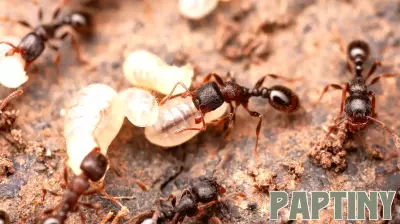
Ant study finds hunger and parental care share the same brain chemistryA new study on ants suggests that the instinct to care for offspring may have evolved from ancient brain circuits originally designed for feeding. Researchers found that the same neurochemical...

July 15, 2026 - 04:47
Parenting programmes reduce violence against teenage girls by over 60%A new study from the University of Cape Town, conducted in partnership with the University of Oxford, reveals that structured parenting programs can dramatically reduce violence against adolescent...

July 14, 2026 - 01:43
Essential Autism Safety Strategies: A Lived-Experience Guide to Navigating Daily LifeFor many autistic individuals, the world is not designed with their sensory and cognitive needs in mind. Safety, often framed as a simple checklist, becomes a complex, daily negotiation. One woman...