Creating a Home Environment That Nurtures Confidence
13 August 2026
Confidence is one of the greatest gifts we can give our children. It shapes their self-esteem, helps them navigate life’s challenges, and empowers them to chase their dreams. But confidence isn’t something kids are simply born with—it's nurtured over time, starting right at home.
Your home should be a safe, uplifting place where your child feels valued, capable, and loved. So, how do you create an environment that fosters confidence? Let’s break it down. 
1. Build a Foundation of Unconditional Love and Support
At the heart of confidence lies the assurance that no matter what happens, home is a safe place. Children need to feel loved and accepted, even when they make mistakes or struggle with challenges.Show Affection Daily
Hugs, kind words, and simple gestures of love go a long way. A reassuring hand on the shoulder or a warm smile can make a child feel secure and cherished.Validate Their Feelings
Kids need to know that their emotions matter. Instead of brushing off their fears or frustrations, acknowledge them. Saying, _"I can see you're upset. Want to talk about it?"_ teaches them that their feelings are important and that they have a voice in the family.Encourage Open Communication
A child who feels heard is more likely to express themselves with confidence. Create an atmosphere where they can talk without fear of judgment. Whether it’s school struggles, friendships, or dreams, let them know their opinions and experiences are valued.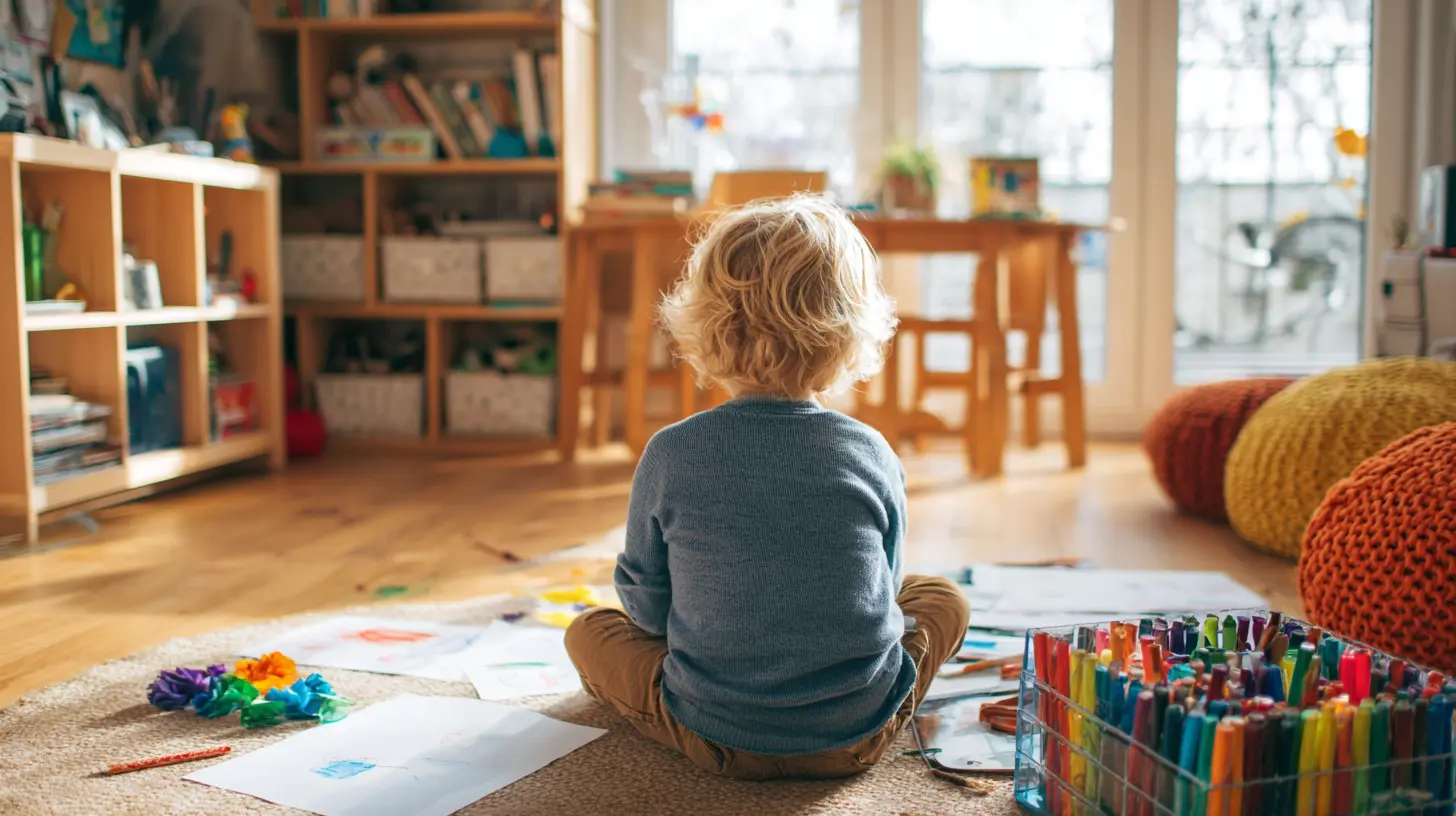
2. Encourage Independence and Decision-Making
Confidence comes from knowing you can handle things on your own. One of the biggest mistakes parents make is overprotecting their children. While it comes from a place of love, constantly stepping in can send the message that they aren't capable.Give Age-Appropriate Responsibilities
From an early age, let them take on small tasks. Let toddlers pour their own water (even if they spill). Let older kids pack their own school bags. These little moments of independence add up over time.Allow Them to Make Choices
Let your child make decisions, even the small ones. Choosing their outfit for the day or deciding what’s for dinner can give them a sense of control. For bigger decisions, guide them but don’t dictate. If they make a mistake, that’s okay—it’s part of learning!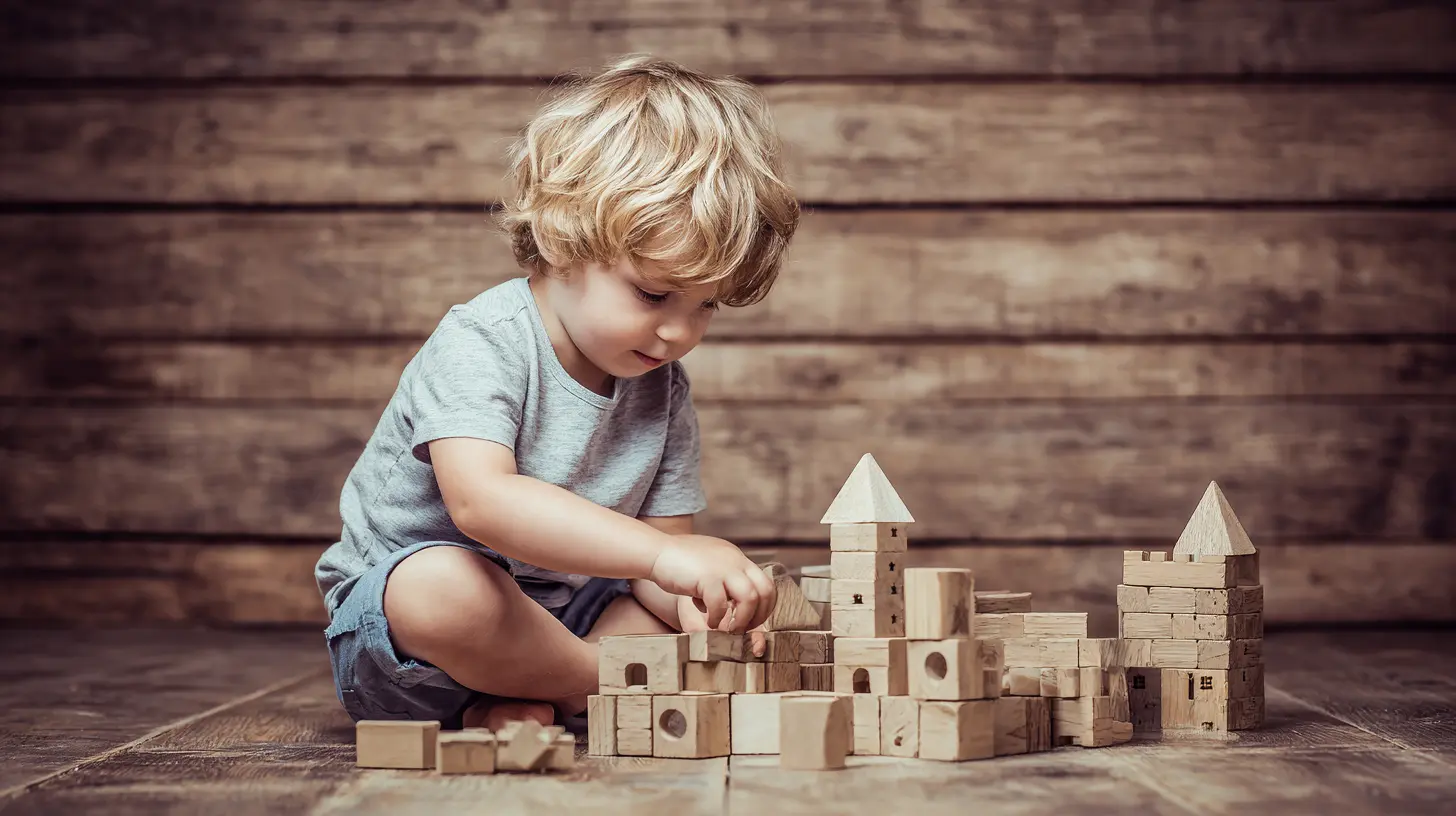
3. Celebrate Effort, Not Just Results
If kids think success is all that matters, they may shy away from things they’re not immediately good at. Instead, focus on their effort, persistence, and growth.Praise Their Hard Work
Instead of saying, _“You’re so smart!”_, try, _“I love how hard you worked on that project. You really stuck with it!”_ This teaches kids that effort is what leads to success.Use Failure as a Learning Tool
A child who’s afraid to fail won’t take risks, which can stunt their confidence. Teach them that failure isn’t the opposite of success—it’s part of the journey. Ask, _“What can we learn from this?”_ and help them come up with strategies to do better next time.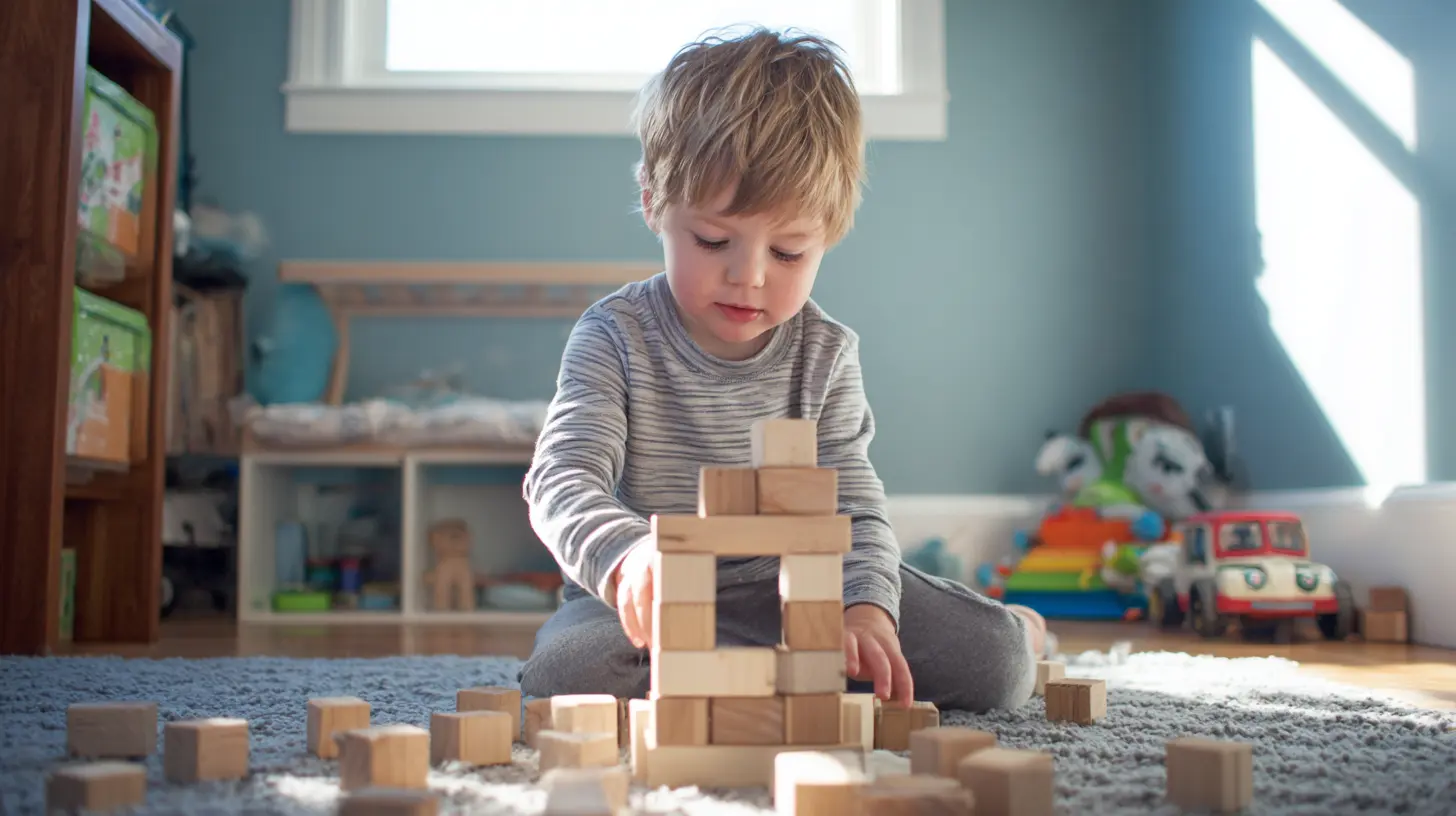
4. Foster a Growth Mindset at Home
A growth mindset means believing that abilities can be developed through effort and perseverance. Kids with a growth mindset are more resilient, motivated, and confident in their ability to tackle challenges.Encourage Trying New Things
Whether it’s a new sport, a musical instrument, or a hobby, encourage exploration. Help them see that it’s okay to be a beginner—everyone starts somewhere!Avoid Labels
Labeling kids as _“the smart one”_ or _“the shy one”_ can lock them into fixed identities and limit their willingness to step out of their comfort zone. Instead, praise their attitude and adaptability.5. Be Mindful of Your Words and Actions
Children absorb everything—from how we talk to them to how we handle our own problems. Your behavior sets the tone for how they perceive themselves and the world.Be Their Biggest Cheerleader
Encourage them when they doubt themselves. A simple, _“I believe in you!”_ can be incredibly powerful.Model Confidence Yourself
Kids pick up on our insecurities. If they hear you constantly doubting yourself—_“I’m terrible at this”_ or _“I don’t think I can do it”_—they may adopt the same mindset. Instead, model self-confidence by tackling challenges with a positive attitude.6. Create a Safe Space for Expression
A confident child isn’t just someone who excels academically; it’s also someone who feels safe expressing themselves—creatively, emotionally, and verbally.Encourage Creativity
Allow space for artistic expression, whether it’s drawing, dancing, or storytelling. Creative outlets help kids develop confidence in their ideas.Let Them Voice Their Opinions
At the dinner table, in family discussions, or even when making weekend plans, involve your kids. Let them know their opinions matter, even if you don’t always agree.7. Surround Them with Positive Influences
The people your child interacts with daily can have a major impact on their confidence.Be Cautious About Criticism
Frequent criticism, even if well-meaning, can chip away at a child’s self-esteem. Instead of focusing on what they’re doing wrong, frame feedback in a way that helps them improve without feeling discouraged.Encourage Positive Friendships
Friends can either lift your child up or bring them down. Encourage relationships with kids who are kind, supportive, and uplifting.Limit Negative Media Exposure
Social media and television can sometimes create unrealistic standards. Monitor what your child watches and ensure they consume positive, confidence-building content.8. Encourage Physical Activity and Healthy Habits
A healthy body contributes to a healthy mind. Children who engage in physical activities tend to have higher self-esteem and confidence.Sports and Outdoor Play
Encourage them to be active—whether it’s playing soccer, swimming, or simply climbing trees at the park. Physical challenges help build confidence in their abilities.Healthy Eating and Sleep
Adequate rest and good nutrition help children feel their best. A well-rested, well-nourished child is more likely to have the energy and focus needed to take on challenges.9. Teach Problem-Solving Skills
Confident kids believe they can handle difficulties. Teaching problem-solving skills helps them face challenges head-on instead of feeling helpless.Let Them Solve Small Problems
If they can’t find a toy, don’t rush to help—encourage them to think of possible solutions. Gradually, they’ll build the ability to handle bigger challenges.Encourage Self-Reflection
When they face a setback, ask, _“What do you think you could do differently next time?”_ This empowers them to take charge of their own growth.10. Maintain a Positive and Supportive Home Atmosphere
Your home environment should feel uplifting and encouraging. Small things can make a big difference in creating a positive space.Daily Affirmations
Start the day with positive affirmations. Saying things like, _“I am brave,”_ or _“I can do hard things”_ sets the tone for a confident mindset.Laugh and Have Fun Together
A warm, joyful home naturally breeds confidence. Play games, have silly moments, and show them that life should be enjoyed!Final Thoughts
Confidence isn’t built overnight—it’s a continuous process shaped by everyday experiences. By creating a loving, supportive, and empowering home environment, you’re giving your child the foundation they need to believe in themselves.So, start today. Show them love, let them try new things, and remind them that they are capable, strong, and enough—just as they are.
all images in this post were generated using AI tools
Category:
Building Self EsteemAuthor:

Liam Huffman