Essential Tips for Keeping Your Child Safe at Home
13 April 2026
Being a parent is a beautiful, chaotic, love-filled rollercoaster. From midnight diaper changes to stepping on Lego bricks barefoot—we’ve all been there. But beyond the giggles and the mess, nothing weighs heavier on a parent’s heart than keeping their child safe, especially at home. That's supposed to be their sanctuary, right?
But here's the thing: most accidents happen inside the home. Sounds strange? It’s true. And while you don’t need to wrap your little ones in bubble wrap, there are smart and effective ways to make your home a safer space without turning it into a fortress.
Let’s dive into some essential, real-world tips for keeping your child safe at home—whether they’re toddlers just learning to walk or curious little adventurers exploring every nook and cranny.
1. Babyproofing: More Than Just Socket Covers
When you think "child safety," babyproofing probably jumps to mind. And you’re right! But it's not just about outlet covers and cabinet locks. Think of your home as a mini obstacle course from your child’s point of view.Go Low—Really Low
Get down on your knees. No seriously, get on their level. What do you see? Electrical cords, sharp furniture corners, choking hazards? Scanning from your child’s height can help you spot dangers that might never cross your mind standing up.Secure Heavy Furniture
Kids love to climb. That beautiful bookshelf or dresser? A toddler may see it as Mount Everest. Anchor all heavy furniture and TVs to the wall. It takes just seconds for a curious child to pull something down—and the results can be tragic.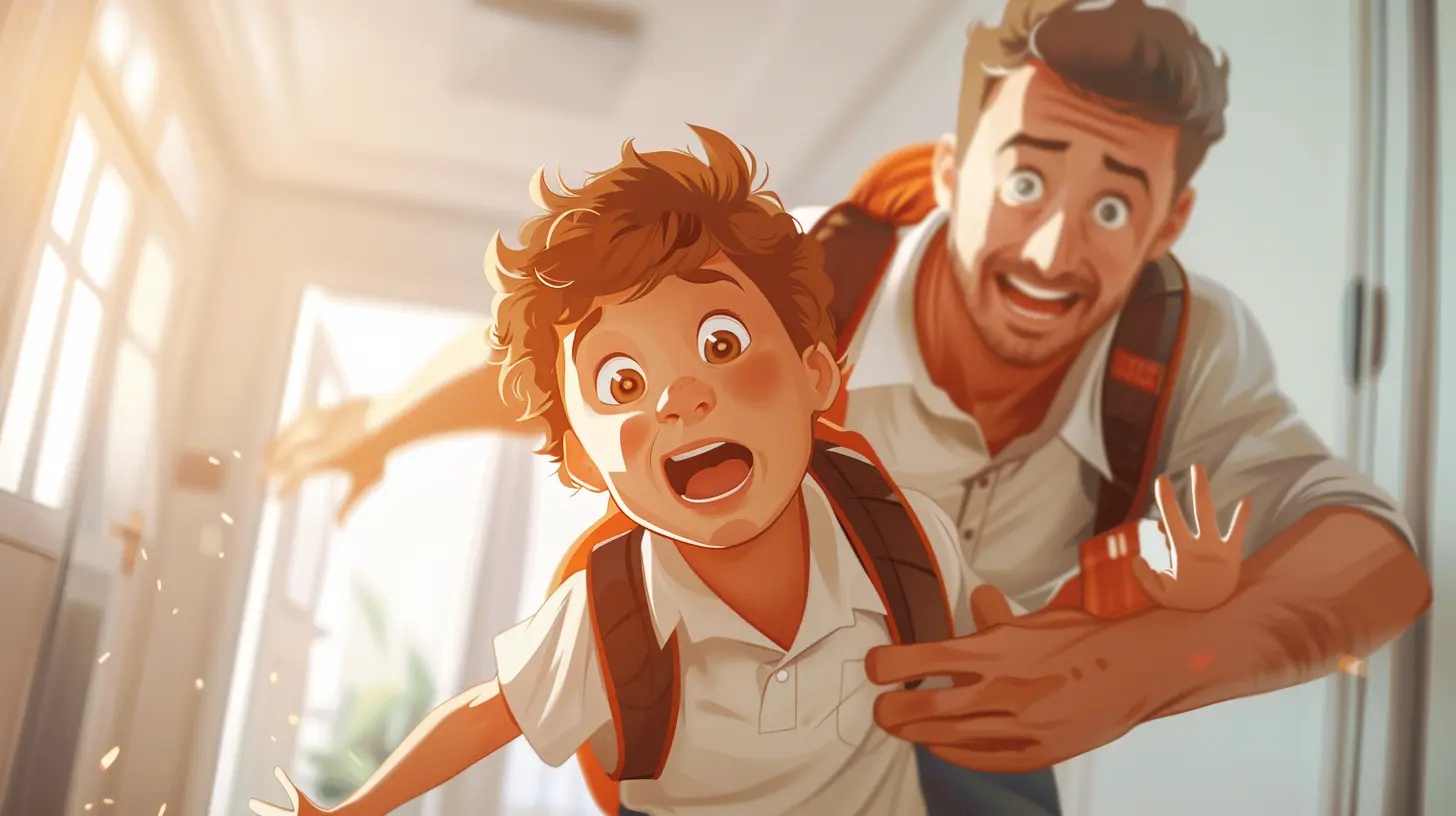
2. Electrical Safety Is a Must
Tiny fingers are always on the move. And unfortunately, outlets, cords, and gadgets are super tempting.Use Outlet Covers
Get sturdy, tamper-resistant outlet covers—not the flimsy plastic ones kids can pry off (yep, they’ll try). These can make a huge difference in keeping curious fingers safe.Tuck Away Cords
Keep cords out of reach and secured. Whether it’s the lamp in the living room or the phone charger in your bedroom, minimize dangling cords. You don’t want your child tugging on one and pulling down something heavy or getting tangled.
3. Kitchen Safety—The Hot Zone
The kitchen is basically a danger zone for kids. Knives, hot stoves, cleaning supplies—danger lurks in every corner.Create Kid-Free Zones
Teach your child that the kitchen is off-limits while cooking. If that’s tough, use baby gates or create a small safe area in the kitchen where they can sit and play while you keep an eye on them.Store Sharp and Hot Items Smartly
Keep knives, scissors, peelers, and other sharp objects high and out of reach. Same goes for hot items—pans, kettles, and even mugs filled with tea or coffee.Lock the Lower Cabinets
If you store cleaning products or heavy pots down low, make sure those cabinets are locked or fitted with safety latches. Better yet, move toxic items like bleach and detergent up high where little hands can’t reach.
4. Bathroom Precautions: Wet & Wild
Bathrooms can be slippery and full of hazards. But with a few adjustments, you can make them much safer.Always Supervise Bathtime
Never—like never ever—leave your child alone in the bath, not even for 30 seconds. Drowning can happen quickly and silently, even in a couple of inches of water.Add Non-Slip Mats
Use non-slip mats inside and outside the tub. Slippery floors are a recipe for bruised knees and elbow bumps.Lock Away Medicines
Your bathroom cabinet might be organized, but it’s not safe unless it’s locked. Many over-the-counter medications can be harmful or even fatal to kids. Keep them secured and out of sight.5. Stairway Safety 101
Ah, stairs. Great for cardio, not so great for toddlers.Use Safety Gates
Install safety gates at the top and bottom of all staircases. Choose gates that are hardware-mounted, especially at the top of stairs—they're more secure than pressure-fit ones.Keep Stairs Clutter-Free
It sounds obvious, but toys, shoes, or laundry baskets on the stairs can be dangerous. Teach your child (and maybe remind your partner, too!) that stairs aren’t storage space.6. Windows, Doors, and Balcony Dangers
Windows and balconies offer a great view, but they’re also huge hazards for small kids.Lock Those Windows
Install window guards or window stops. Screens aren’t childproof—they can pop out if your child leans or presses against them.Secure Balcony Access
If you live in an apartment or house with a balcony, keep the door locked. If you allow balcony access, never leave your child out there alone, and make sure there’s no furniture close to the edge they can climb.7. Fire Safety: Don’t Get Burned
We tend to focus on preventing bumps and bruises, but fire safety is equally critical.Install Smoke Alarms
Install smoke detectors in every bedroom and on each floor. Test them monthly and change the batteries at least once a year. It’s a small task that can save lives.Have an Escape Plan
Sit down with your family and map out an escape plan. Practice it just like you would a fire drill at school. It might sound like overkill, but in a real emergency, that muscle memory can make all the difference.8. Choking Hazards Are Everywhere
Once your baby starts crawling, everything—even a raisin—is fair game. So pay attention to what’s lying around.Know the Choking Hazards
Tiny toys, coins, buttons, batteries, and even pet food—these things are small enough to fit in a child’s mouth and pose a choking risk. If an object can fit through a toilet paper roll, it’s too small for kids under three.Cut Food Wisely
For toddlers, always slice grapes, hot dogs, and other round foods lengthwise. And avoid giving hard candy or whole nuts to young children.9. Poison-Proof Your Home
Let’s face it—kids explore with their mouths. That means anything left within reach is a potential hazard.Secure Household Chemicals
Cleaners, detergents, and even some essential oils can be toxic. Keep them in high, locked cabinets. Consider switching to non-toxic, kid-friendly cleaning products to lower the risk.Think Beyond the Obvious
Houseplants, makeup, vitamins, and even hand sanitizer can pose poisoning risks. Keep them out of reach and watch for symptoms if you suspect ingestion.10. Teach Safety Early On
Yes, childproofing is essential. But teaching your child what behaviors are dangerous is just as important.Use Simple Language
Explain safety concepts in ways kids understand. Like telling them the stove is “hot-hot” or that electricity is “ouch power.” Use repetition and consistency—those little minds absorb more than you think!Encourage Open Dialogue
Let your child know they can come to you if they’re unsure about something. Keep the conversation open, so they never feel afraid to ask for help or admit they made a mistake.Final Thoughts: Safety Without Fear
It’s easy to get overwhelmed. You may feel like you need to bubble wrap your entire home (and your child). But safety isn't about living in fear. It's about equipping yourself—and your child—with the tools and knowledge you need every day.Think of it like setting up the stage for your child to explore, learn, and grow—safely. You won’t catch every fall or prevent every scrape, and that’s okay. The goal is to minimize serious risks and create a secure space for those magical years of childhood.
So trust your instincts, make smart changes, and remember: being proactive today means fewer "Oh no!" moments tomorrow.
all images in this post were generated using AI tools
Category:
Child SafetyAuthor:

Liam Huffman
Discussion
rate this article
2 comments
Maribel Hill
Great insights! It's fascinating how simple actions can make such a difference in our children's safety. I'm eager to explore more innovative strategies that can complement these essential tips. Safety truly begins at home!
April 18, 2026 at 4:51 AM
Liam Huffman
Thank you for your kind words! I'm glad you found the insights valuable. Exploring innovative strategies is crucial, and I'm excited to share more in the future. Safety does start at home!
Roman McGonagle
Great tips! Prioritizing safety creates a nurturing environment for our children's growth.
April 16, 2026 at 4:52 PM
Liam Huffman
Thank you! Safety truly is the foundation for a child's healthy development.