Handling Medication: Safe Practices for Families with Small Children
12 May 2026
Alright, let’s get real. You’ve baby-proofed your knives, locked up the bleach, and installed cabinet latches that could survive a zombie apocalypse. But what about your medicine cabinet? If you’ve got small kids, then keeping medication safe requires more than just putting the cap back on and shoving it to the back of a drawer.
Medication safety isn’t just a “nice to have”—it’s a full-blown parenting essential.
In this no-nonsense, sass-filled guide, we’re diving deep into how to handle medication safely when there are little grabby hands and curious minds running around your house. Stick around, because this is one subject where ignorance isn’t bliss—it’s downright dangerous.
Why Medication Safety is a Big Freakin’ Deal
Let’s not sugarcoat it—kids are nosy. They’re basically miniature detectives with zero sense of danger and an insatiable thirst for chaos. What looks like a boring bottle of adult vitamins to you might look like a fun new snack to a toddler who just learned how to climb the bathroom counter.Here’s the scary truth: according to the CDC, every 10 minutes a child ends up in the ER due to medication-related accidents. And guess what? Most of these incidents happen with medications left within reach or not properly stored.
So, yes—this matters. A lot.
The Golden Rule: Treat Meds Like Poison
Yup, you read that right. Until your kid can spell “ibuprofen” and explain what a dose is, treat every medication like it’s toxic waste. You wouldn't leave bleach on the kitchen table, right? Same rules apply here.Medicines—even ones that seem harmless like cough drops or allergy pills—can be downright lethal in small doses for little ones.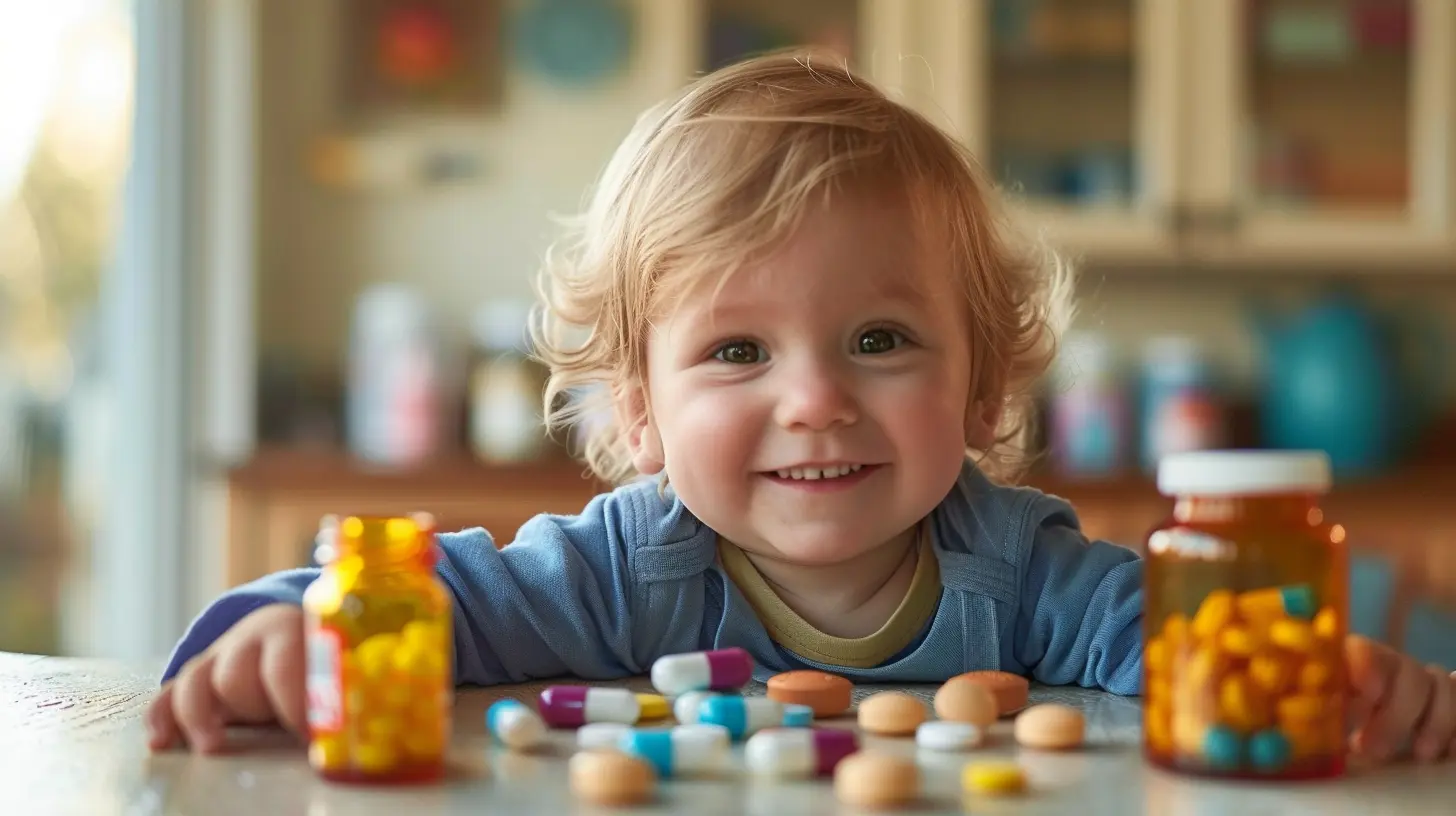
Storage Wars: Where to Stash the Stash
? Lock It Down, Baby
First things first—get every medication, vitamin, and supplement out of reach and behind a lock. No exceptions. That cute, colorful gummy vitamin your kids love? It can cause serious harm if they chomp down a handful like it’s candy.- Use high cabinets with childproof locks
- Invest in a lockbox (yup, the same kind you use for documents or maybe...snacks you don’t want to share)
- Avoid leaving meds on countertops, nightstands, or purses—they're basically floor-level for toddlers
? Temperature Matters Too
Most medications need to be stored at room temperature—not in an overheated bathroom or a freezer. Read the label, and don’t wing it. Some meds become less effective if stored improperly, and some...well, they just go bad. Like moldy cheese. You wouldn’t feed that to your kid, would you? Thought not.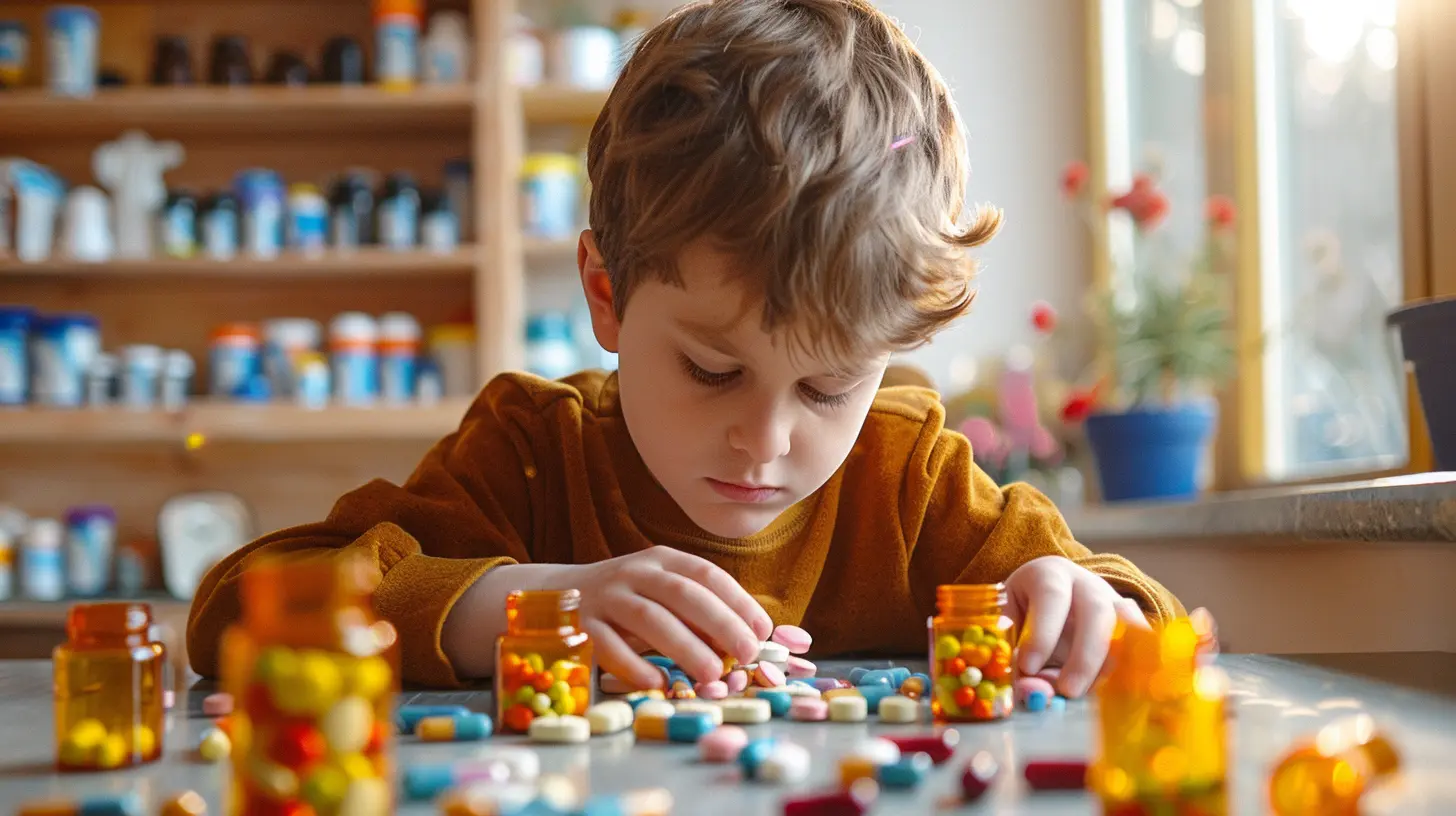
The Dosage Drama: Play It Safe, Not Fast and Loose
? Measure Like a Pro
Ditch the kitchen spoon. Seriously. Medication spoons have actual measurements for a reason. Use a dosing cup, oral syringe, or dropper that came with the meds. If you lost it (been there), ask the pharmacist for a replacement. Don't guess. Medicine isn't a cocktail.? Follow the Schedule Religiously
If the bottle says every 6 hours, it doesn’t mean “whenever you remember.” Setting alarms, using apps, or writing it on a chart can help you stay on track and avoid overdosing or skipping doses.☠️ Double Dosing is a No-No
Can’t remember if you gave your kid their medicine? Don’t guess. Either wait it out or call your pediatrician. Better safe than explaining to an ER nurse how your child accidentally took double the dose because you were sleep-deprived (we feel you).Child-Resistant ≠ Child-Proof
Here’s a fun fact: those “child-resistant” caps? They’re tested by adults, not kids. Technically, they just have to keep out most kids for a short amount of time. So, even if that clicky twist cap feels secure, don’t get smug about it.Always keep meds locked up, even if you think the packaging is Fort Knox.
Stay Organized: Because Chaos Kills
If your medicine storage looks like a yard sale exploded, it’s time for a cleanup.- Separate meds by who they're for—adult, child, pet (yes, pet meds are a thing)
- Keep expired medications out of the mix
- Label everything clearly (and no, scribbles with Sharpie don’t count)
- Use individual baskets or containers to avoid mix-ups
Pro tip: Tape dosing instructions to the inside of your medicine cabinet. When you’re giving meds at 2 a.m. through bleary eyes, you’ll thank yourself.
Educating Kids: Honesty Without the Horror Show
You don’t need to scare your kids with horror stories—just keep it simple and direct:- Teach them that medicine is only safe when given by a grown-up
- Emphasize that meds are not candy, no matter how yummy they look
- Encourage them to tell an adult if they ever find a pill or bottle
This opens a dialogue that helps prevent accidents and builds trust. You’re not raising sneaky little pill-nibblers. You’re raising empowered, informed mini-humans.
Babysitters, Grandparents & Guests: Loop Everyone In
Don't assume your babysitter, grandma, or well-meaning aunt knows your safety rules. Spelling it out is not rude—it's responsible.- Leave written instructions
- Walk them through your med storage routine
- Make sure they know never to leave purses or bags with meds unattended
Remember: one missed conversation can lead to one very scary accident. Don’t shy away from being “that parent.”
Travel Safely with Meds
Vacations are fun. Medication mishaps are not.Here’s how to keep your safe practices rolling while on the go:
- Keep meds in a designated pouch or case—preferably one with a lock
- Never leave them in cars where temps fluctuate wildly
- Assume hotel “high cabinets” aren't high enough—lock meds when not in use
- If flying, keep meds in carry-on luggage—not checked bags (you’ll thank me when your luggage takes a detour to Bermuda)
Dispose Like A Boss: Trash Talk Done Right
Expired or unused meds? Don't flush ’em. Don’t toss them in the trash can where your toddler mines for treasures like a raccoon, either.Here’s the grown-up way to get rid of old medication:
1. Check for local drug take-back programs (pharmacies often have return bins)
2. If not available, mix the meds with coffee grounds or kitty litter in a sealed bag before throwing them away
3. Scratch out personal info on prescription bottles. Identity theft, anyone?
And boom—you just disposed of meds without turning your garbage into a toddler hazard.
When Accidents Happen (Because Yes, They Can)
Even the most organized, rule-following, By-the-Book Pinterest parent can’t prevent everything. If your kid gets into medication, don’t panic—act.Call Poison Control Immediately:
? 1-800-222-1222 (U.S. only)
They’re open 24/7 and way less judgy than you'd think. Even if you think it’s “just a vitamin” or “only one pill," it’s better to be safe than sorry. Seconds count.
Final Thoughts: A Little Paranoia Goes a Long Way
Is it overprotective to triple-check your medicine cabinet locks or remind grandma (again) not to leave her purse on the couch? Maybe. But when it comes to your kid’s safety, “too careful” doesn’t exist.Respect for medicine begins with how you handle it. Your kids are watching you way more closely than you think (especially when you least want them to). So model responsibility, set up solid systems, and never, ever assume “that won’t happen to my kid.”
Because trust me—it just might.
all images in this post were generated using AI tools
Category:
Child SafetyAuthor:

Liam Huffman
Discussion
rate this article
2 comments
Elara Harris
If only kids came with a "don't touch" button for medications! Instead, it's a daily game of hide and seek... with vitamins. Remember, the only thing that should be in their mouths is food, not your pill stash!
June 17, 2026 at 3:20 PM
Liam Huffman
So true! Keeping meds out of reach is crucial. It's all about creating a safe environment for kids.
Ziva Conrad
If you think hiding meds in the cookie jar is clever, think again. Kids are tiny detectives. Just label, lock up, and keep it real. Safety isn't just a good idea; it's a must. Don't play with fire... or pills!
May 17, 2026 at 4:46 AM
Liam Huffman
You're spot on. Keeping meds safe is crucial. Kids are curious, and we need to stay one step ahead. Thanks for highlighting this!