Helping Your Child Learn to Apologize and Take Responsibility
13 May 2026
Teaching kids to apologize and take responsibility isn't just about good manners—it's about helping them grow into compassionate and accountable adults. But let’s be honest: getting a child to say “I’m sorry” and actually mean it? That can feel like climbing a mountain with no summit in sight.
So, how do we teach our little ones that apologies aren’t just words, but meaningful actions? And more importantly, how do we help them understand personal responsibility without making them feel ashamed? Let’s dive in.

Why Apologizing and Taking Responsibility Matter
Children aren’t born knowing how to apologize. They start off thinking the world revolves around them (which, let’s be fair, it kind of does in the beginning). But as they grow, they need to learn that their actions affect others.When kids take responsibility for their mistakes, they:
- Build stronger relationships
- Develop empathy and compassion
- Learn problem-solving skills
- Gain self-confidence by fixing their mistakes
Without these skills, they may grow up dodging blame, struggling to maintain friendships, or fearing failure. And that’s a tough way to go through life.
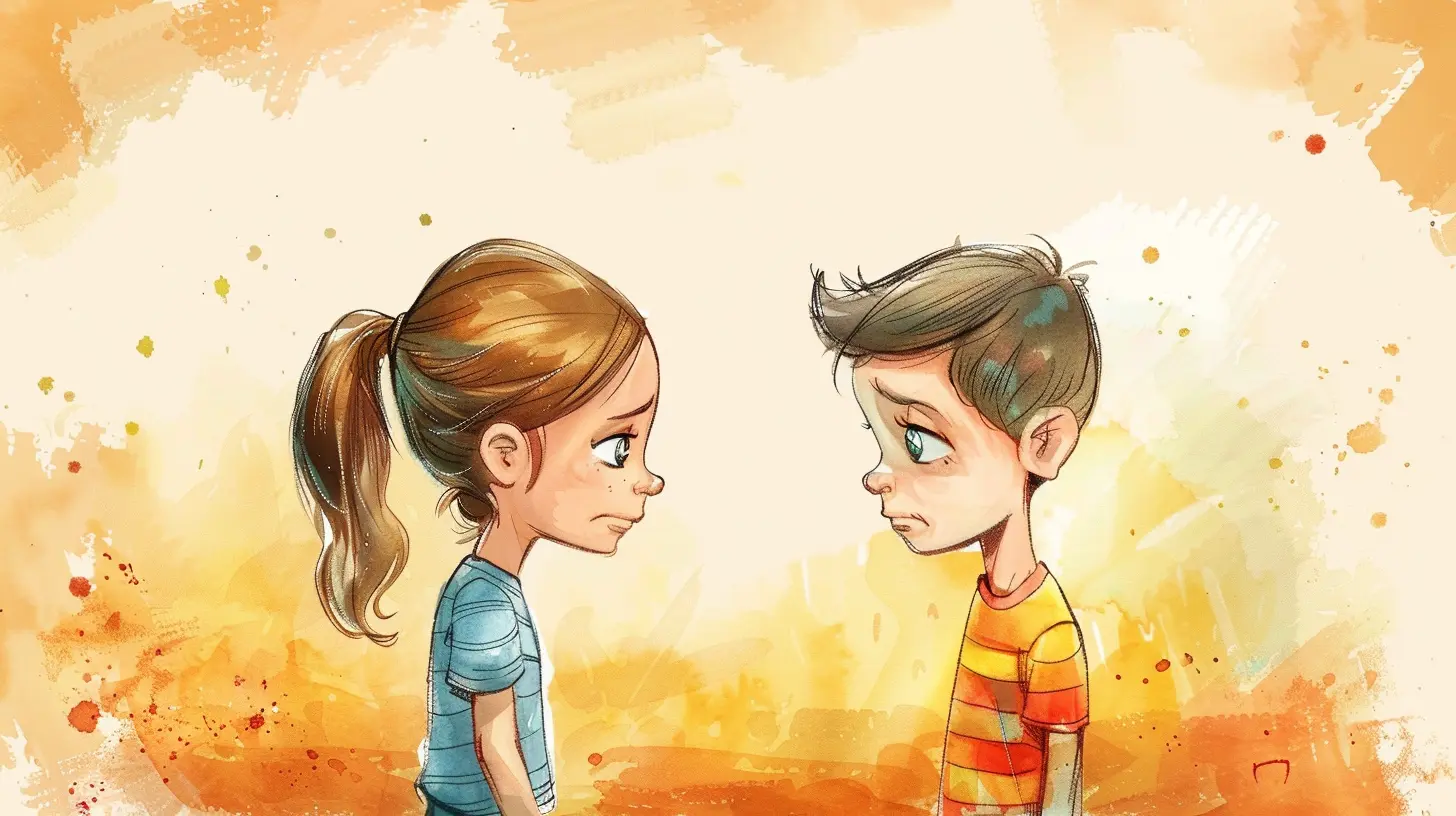
The Right Way to Teach Apologies
1. Model the Behavior
Kids are like tiny spies—they watch everything you do. If you never admit when you're wrong, why would they?Try this: The next time you mess up, say, “I’m sorry I raised my voice. I was frustrated, but I shouldn’t have spoken that way.” This shows them that even adults make mistakes, and more importantly, that we own up to them.
2. Go Beyond "Say You're Sorry”
Forcing a child to mutter a half-hearted “sorry” teaches them nothing. Apologies aren’t about checking a box—they’re about making things right.Instead of demanding, “Say sorry to your sister!”, try:
- “How do you think she feels right now?”
- “What can you do to make this better?”
This encourages genuine empathy rather than just going through the motions.
3. Teach the Elements of a Sincere Apology
A good apology has three key parts:1. Acknowledging the mistake – “I knocked over your tower.”
2. Expressing remorse – “I’m sorry for breaking it.”
3. Making it right – “Can I help you rebuild it?”
Young kids might not get it right every time, and that’s okay! The goal is progress, not perfection.
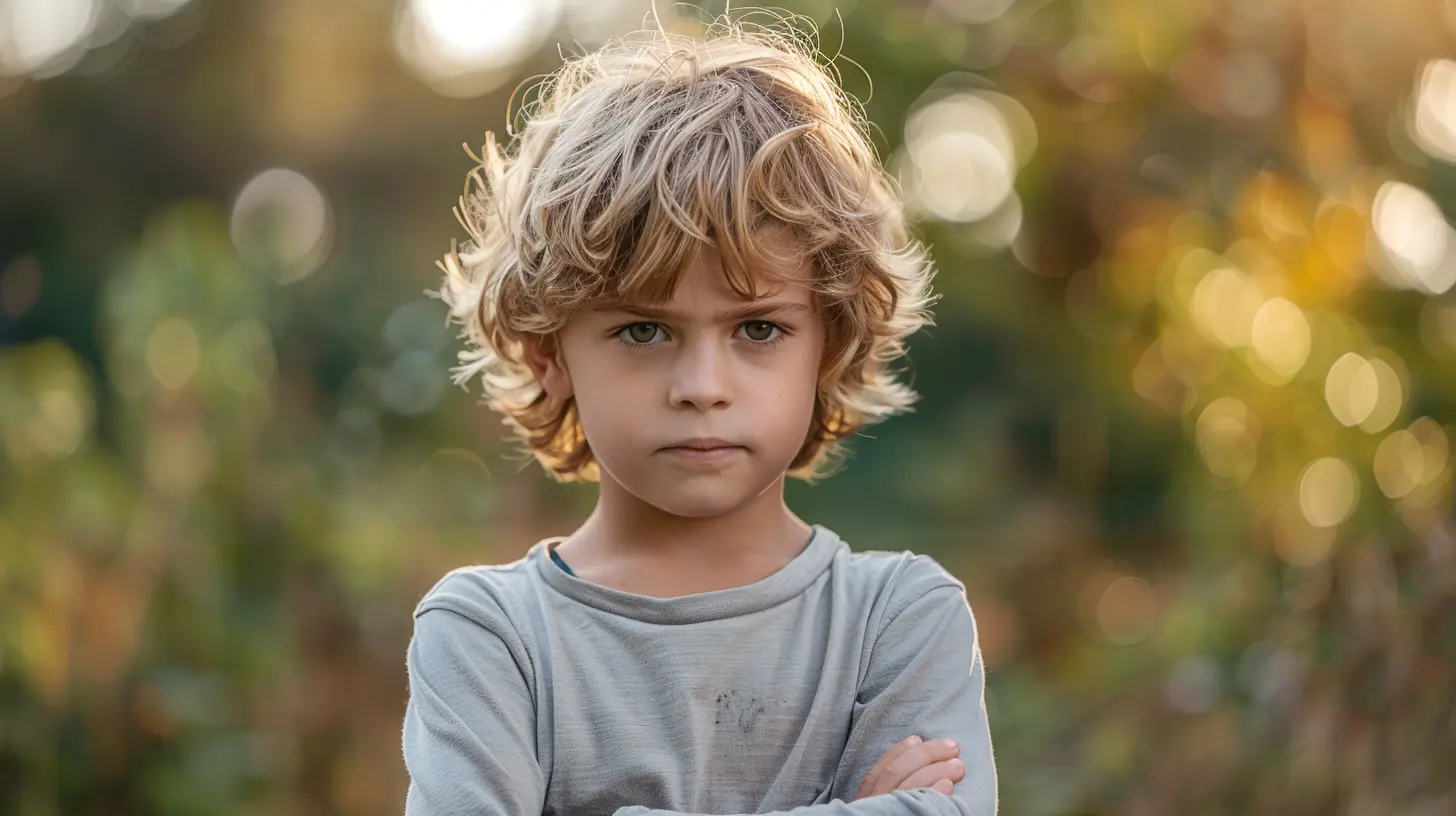
Helping Kids Take Responsibility
1. Avoid Harsh Punishments
If kids fear punishment, they may start hiding mistakes instead of owning up to them. Instead, focus on logical consequences.For example, if they spill juice on the floor, instead of yelling, try:
“Oops, the juice spilled. Let’s grab a towel and clean it up together.”
When kids see responsibility as a way to fix things, rather than just a reason to get in trouble, they’re more likely to step up.
2. Praise Honesty and Accountability
Let’s flip the script—catch your child doing the right thing. When they admit a mistake or try to make amends, acknowledge it.Try something like:
“I really appreciate that you told me the truth. That was responsible of you.”
Positive reinforcement helps them see that telling the truth is valued, even when it’s hard.
3. Teach Them That Mistakes Are Learning Opportunities
Kids need to understand that making a mistake doesn’t make them bad—it makes them human.Instead of saying, “Why did you do that?!”, try:
“What can we learn from this?”
This helps shift their mindset from shame to growth.
4. Encourage Problem-Solving
Mistakes often come with consequences, but instead of swooping in to fix everything, ask:- “What do you think we should do about this?”
- “How can we make it better?”
Giving kids the chance to problem-solve builds confidence, responsibility, and independence.
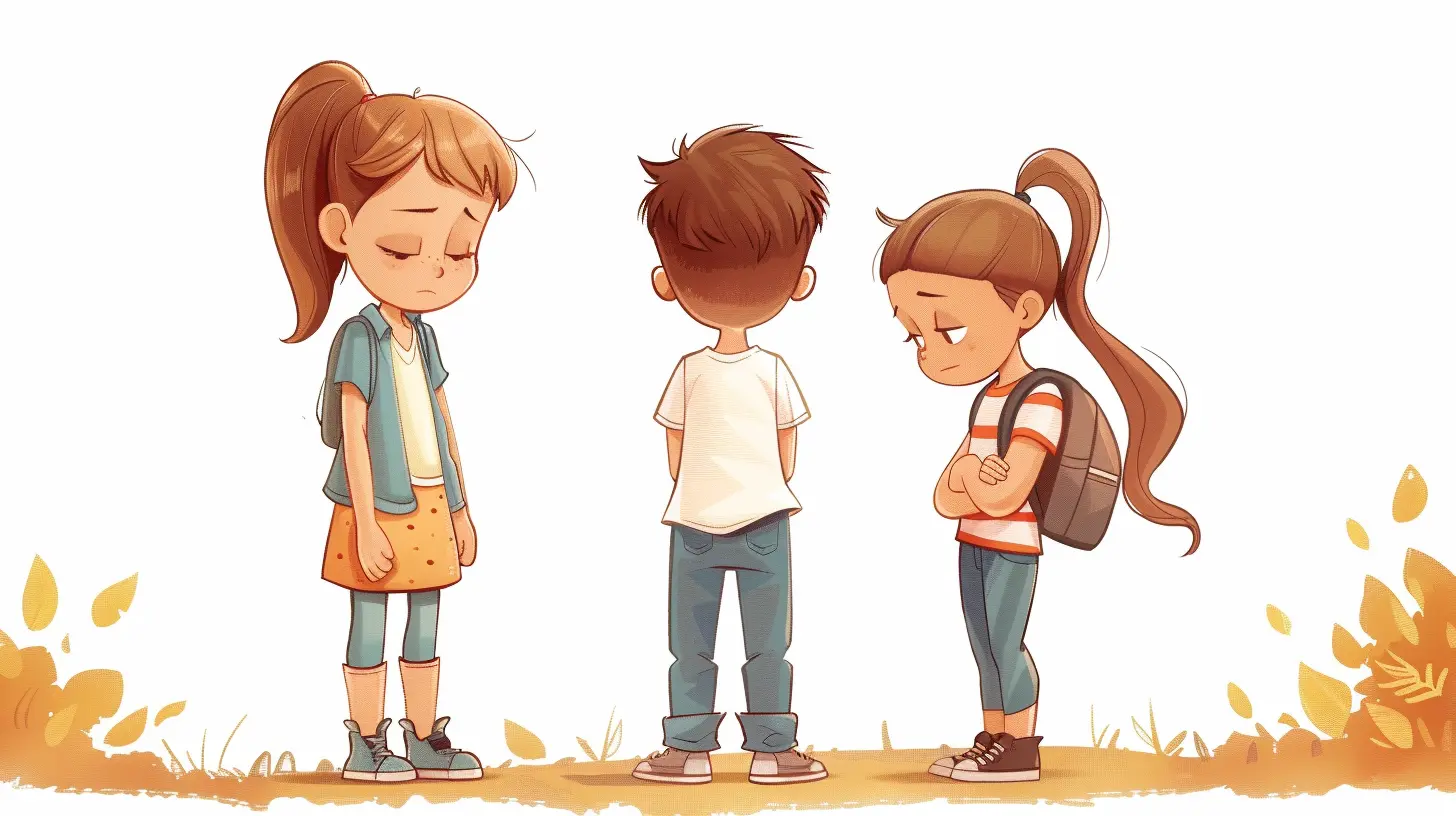
Common Challenges (And How to Handle Them)
Challenge #1: They Refuse to Apologize
Simply forcing them doesn’t work. Instead, give them time. Some kids need space to calm down before they can think about making amends.You can say, “It looks like you’re not ready to talk right now. Let’s take a break and try again later.”
Challenge #2: They Blame Others
If they always shift blame, encourage self-reflection by asking:“What was your part in this?”
Even if they weren’t entirely at fault, helping them recognize their role encourages responsibility.
Challenge #3: They Apologize Just to Get It Over With
If their apology feels hollow, help them connect with why it’s important. Instead of “Say you’re sorry”, try:“How do you think your friend felt when that happened?”
Teaching empathy leads to meaningful apologies, not just empty words.
Making Responsibility a Family Value
Apologizing and taking responsibility aren’t just lessons for kids—they’re family values.- Hold each other accountable – If parents can admit when they're wrong, kids will follow suit.
- Make it a team effort – Encourage family discussions about mistakes and how to learn from them.
- Celebrate progress – Point out when your child takes responsibility, even for small things.
Over time, these efforts create a home where honesty, accountability, and empathy are the norm.
Final Thoughts
Teaching kids to apologize and take responsibility isn’t always easy, but it’s one of the most valuable lessons you can give them. It shapes their character, strengthens their relationships, and sets them up for success in the real world.So, the next time your child makes a mistake, take a deep breath, guide them through it, and remember—this is just part of raising kind, responsible humans.
all images in this post were generated using AI tools
Category:
Teaching ResponsibilityAuthor:

Liam Huffman
Discussion
rate this article
2 comments
Kairoth Wright
Teaching children to apologize and take responsibility is essential for their emotional development. Encouraging honesty and empathy helps them understand the impact of their actions. Use real-life situations to guide discussions, making the lesson memorable and relevant.
June 17, 2026 at 3:13 AM
Liam Huffman
Absolutely, real-life examples make the lessons stick. Teaching kids to connect their actions with their feelings fosters empathy and growth. It's all about building those crucial skills early on.
Daisy McAndrews
Great article! Teaching kids to apologize and take responsibility is so important for their development. It sets the foundation for healthy relationships and emotional intelligence. I love the practical tips you provided. Small steps can lead to big changes. Can't wait to try these strategies with my child!
May 16, 2026 at 2:48 AM
Liam Huffman
Thank you for your thoughtful comment! I'm glad you found the tips helpful. Best of luck as you try them out with your child!