How to Choose Safe Toys for Different Ages
3 June 2026
Let’s talk toys. Not the fancy kind just for display, but the ones your little munchkins get their hands on — chew, toss, bang, and sometimes, sneak into their mouths when you’re not looking. Choosing safe toys sounds easy enough, right? But when you’re standing in front of an aisle overflowing with flashing, squeaking, spinning, and singing gadgets, your brain might scream, “What now?!”
So here's the deal: picking age-appropriate, safe toys isn’t just about fun (though that’s a huge bonus!). It’s also about keeping little explorers out of trouble and encouraging their development without hidden dangers.
Grab a snack, parents — we’re diving into a light-hearted yet info-packed guide on choosing safe toys for different ages. Buckle in; it’s about to get playfully educational.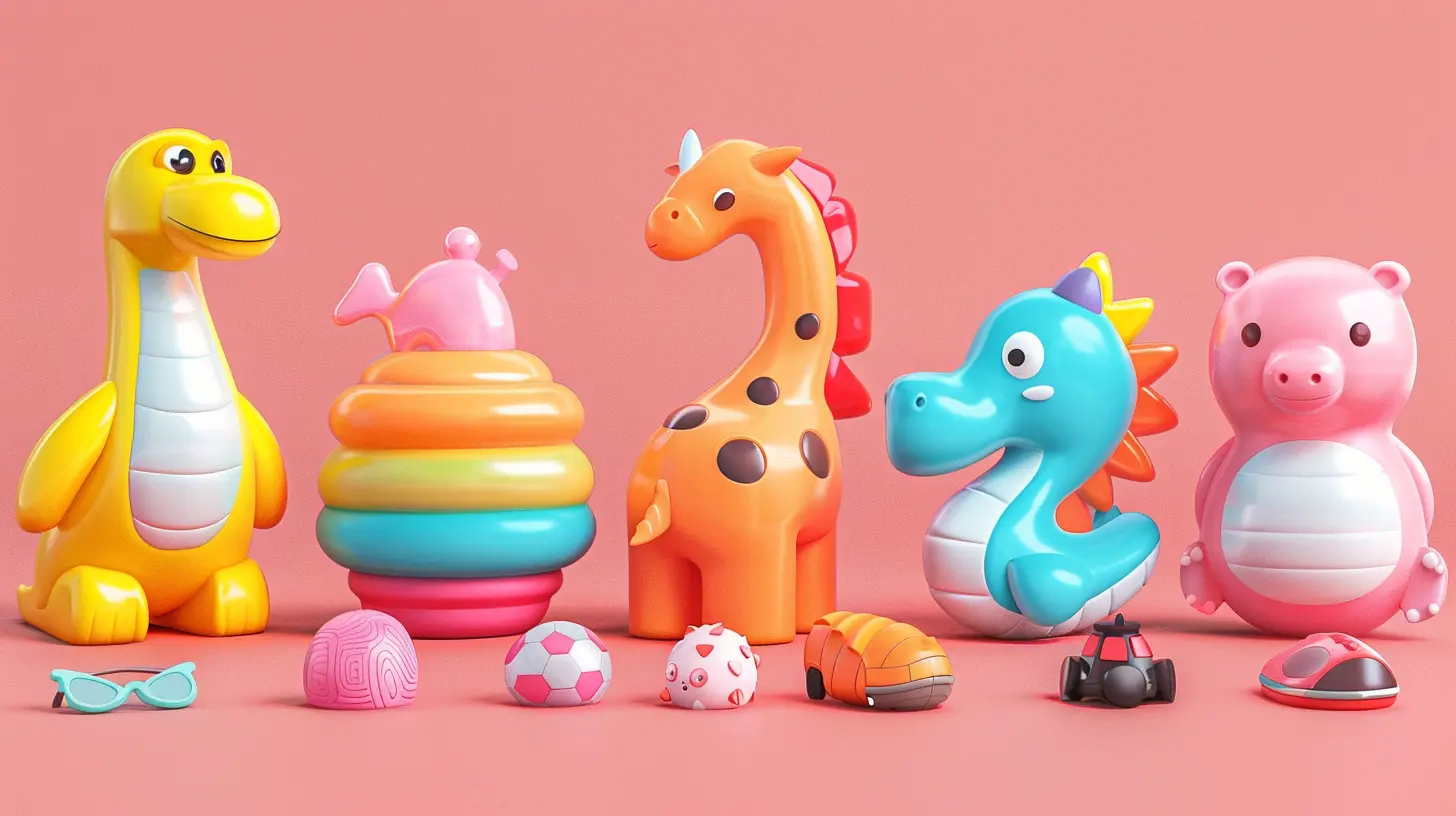
Why Toy Safety Isn’t Just a Buzzword
Let’s rip off the Band-Aid: not all toys are created equal. Even the ones with the cutest packaging might not be safe for your child’s age group. Babies mouth everything. Toddlers have zero sense of danger. Preschoolers? They're little scientists testing the laws of physics — on your furniture.That’s why toy safety matters. It’s not about being overprotective. It’s about meeting your child where they are — physically, emotionally, and developmentally — while avoiding choking hazards, sharp edges, or those mysterious slime compounds that belong in a lab (not in your kid’s playroom).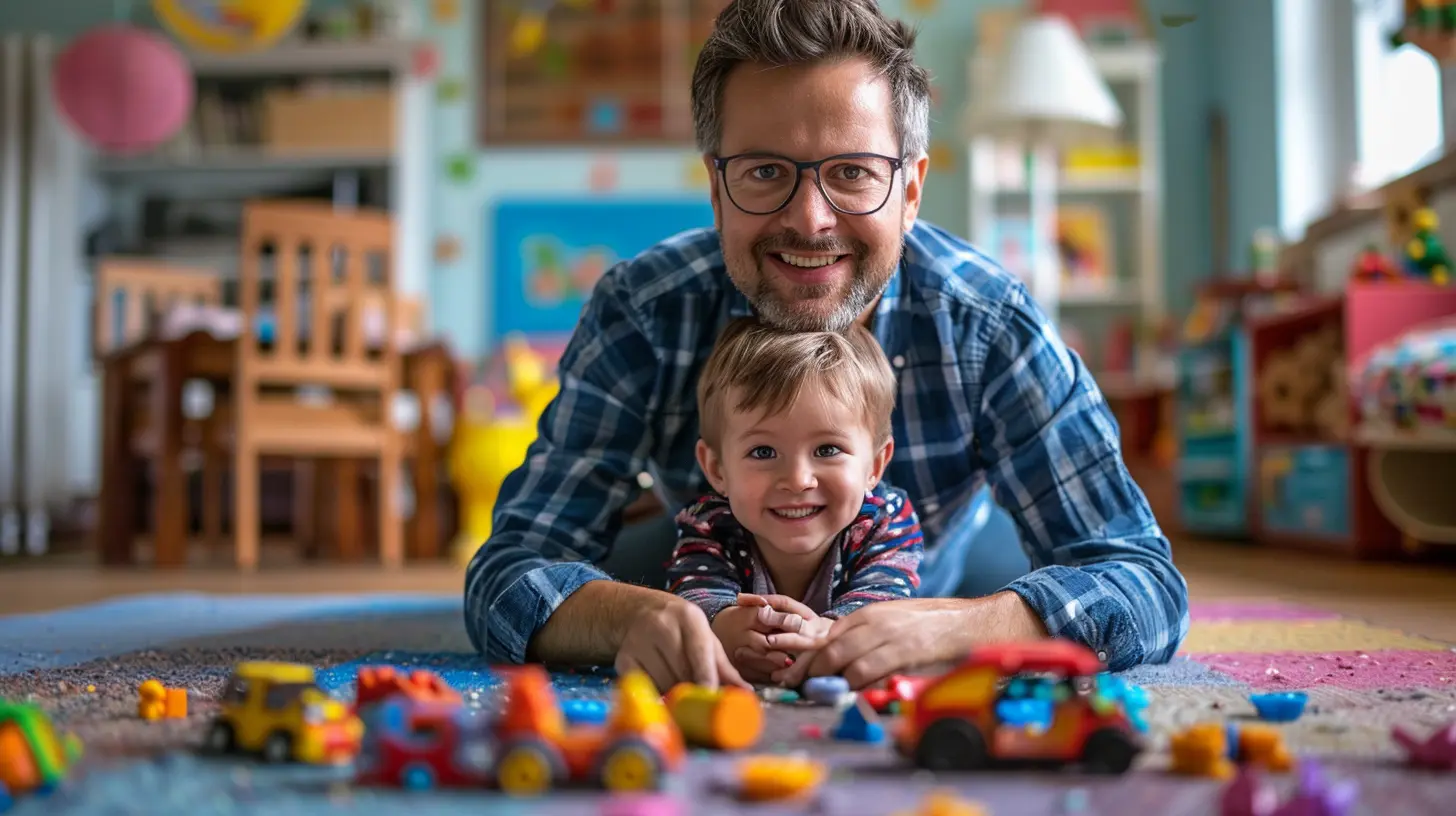
The Golden Rule: Match Toys with Developmental Stage
Kids grow fast. One day they’re gumming a rubber giraffe, the next, they’re constructing rocket ships from Legos. Choosing toys based on age isn’t just a guideline — it’s a survival strategy.Let’s break it down by age group, shall we?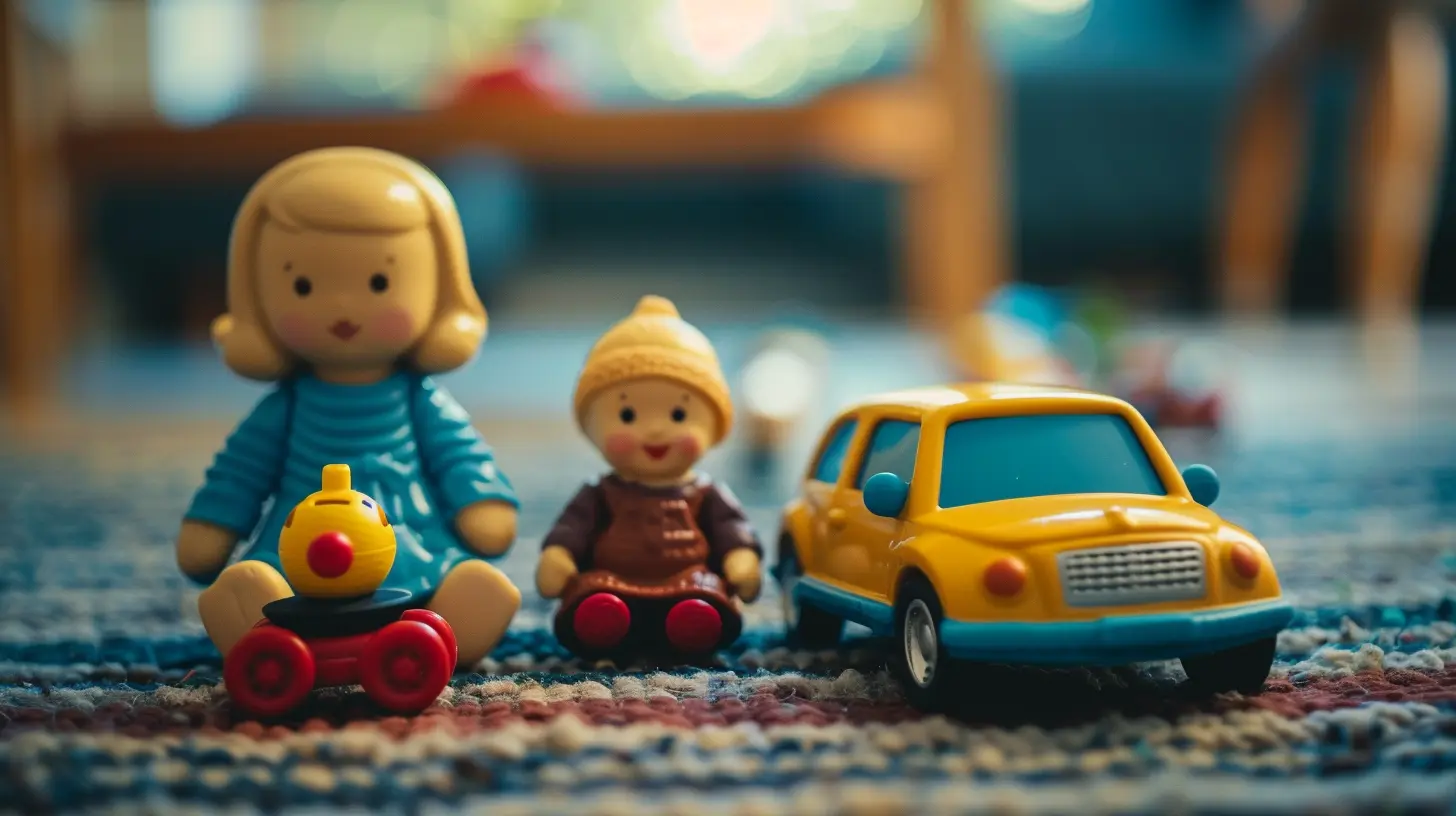
0–6 Months: The Tiny Tactile Explorers
What They Need:
- Sensory stimulation- High-contrast visuals
- Soft textures
- Sounds (not too loud!)
Safe Toy Ideas:
- Soft cloth books- Rattles (large and lightweight)
- Activity mats
- Teething rings (BPA-free, please!)
What to Avoid:
- Small parts (choking alert!)- Anything with loose threads or buttons
Pro tip: If a toy part can fit through a toilet paper roll, it’s too small. Seriously, keep one in the nursery as your “safety tester” prop!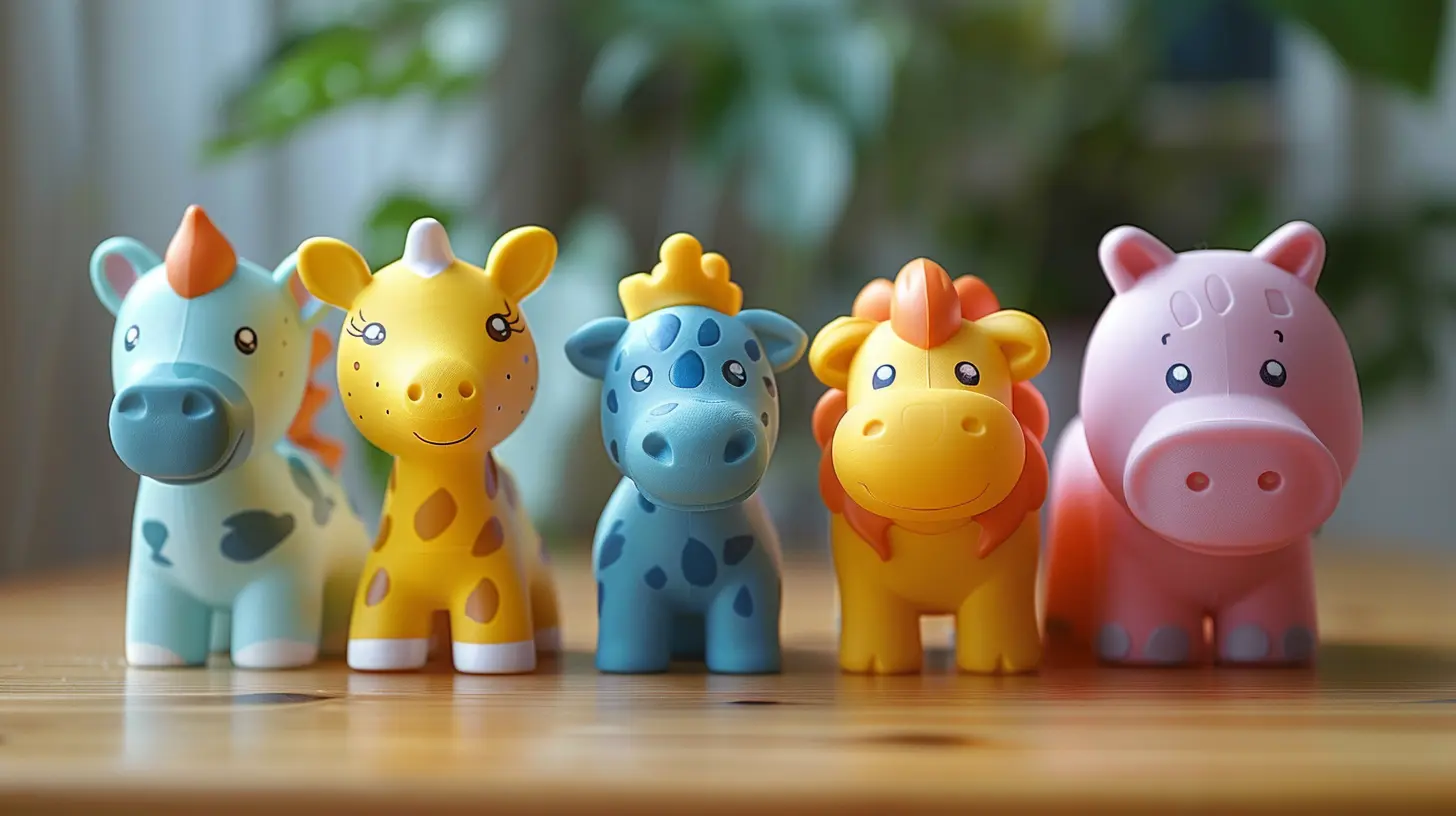
6–12 Months: The Movers and Shakers
Your baby is probably sitting, squirming, gnawing, and maybe crawling. They’re curious about texture and cause-and-effect now.Safe Toy Picks:
- Stacking rings- Push-and-pull toys
- Soft blocks
- Plastic mirrors (baby-safe)
Red Flags:
- Batteries that aren’t secured- Breakable plastic
- Toys with paint that could chip
Reminder: Babies are like mini-T-Rexes. If it looks remotely chewable — they’ll chew it. Always go for non-toxic, phthalate-free materials.
1–2 Years: The Toddling Tornadoes
Now things get wild. Walkers. Climbers. Full-on energy tornadoes who think gravity is optional. Your toddler wants toys that move, light up, and make noise. You want toys that don’t require you to take aspirin.Toy Must-Haves:
- Shape sorters- Sturdy ride-on toys
- Musical instruments (drums, shakers)
- Chunky puzzles
What to Skip:
- Coin-size parts- Pull cords longer than 12 inches
- Fragile toys
Toddler safety tip: Check toy labels for age recommendations AND supervise play. Just because it’s labeled “safe” doesn’t mean it’s safe for your specific tornado child.
2–3 Years: The Curious Copycats
At this age, your tiny human starts mimicking everything. They want to vacuum like you, cook like you, and boss around imaginary dinosaurs (okay, maybe that’s just mine).Safety-Friendly Toy Choices:
- Pretend play sets (kitchens, doctor kits, toolboxes)- Board books
- Play dough (approved non-toxic brands)
- Big building blocks
What to Watch Out For:
- Small accessories (like fake food that’s too realistic)- Toys with magnets — serious no-no!
- Unstable ride-on toys
Bonus points: Choose toys that get kids moving and thinking! Just skip anything that smells like chemicals. If it’s stinky, it’s sketchy.
3–5 Years: The Independent Adventurers
Preschoolers have vivid imaginations and blossoming motor skills. They're into storytelling, exploring, and probably driving you a little bonkers with 437 questions a day.Great Toy Picks:
- Art supplies (washable markers, safety scissors, finger paints)- Train sets
- Dress-up clothes
- Beginner board games
Toys to Keep on the Shelf (Or Never Buy):
- Toys with sharp edges- Non-washable plush toys (hello, germs!)
- DIY kits with adult tools (save that glue gun for later, folks)
Pro-tip: Watch for toy recalls! Just because you bought it new doesn’t mean it’s perfect. Check regularly at CPSC.gov.
6–8 Years: The Big Kid Zone
Get ready for personality-packed preferences. Your child might be into dinosaurs, fairies, coding robots, or all of the above. They’re ready for more complex play but still need some parental guidance when it comes to safety.Safe and Stimulating Toys:
- Remote-control cars (age-rated)- Science kits (child-safe versions)
- Board games with small parts (but only if they’ve moved past the putting-things-in-mouth phase!)
- Arts & crafts supplies
Safety Watch List:
- Toy weapons (even if labeled “harmless”)- Toys with projectiles
- Electronics that heat up quickly
Reality check: They’re getting smarter, but not invincible. If batteries are involved, make sure they’re locked in and can’t be accessed without a screwdriver.
9–12 Years: The Tween Scene
By this point, your kids are venturing into more “grown-up” toys and gadgets — tablets, drones, online games, you name it. They’ve got opinions, and they’re not afraid to voice them.Age-Ready Safe Toys:
- STEM kits- Beginner drones (supervised!)
- Puzzle games
- Sports equipment (with proper gear)
Danger Spots:
- Knock-off tech (cheap = risky)- DIY slime kits with harsh chemicals
- Anything with exposed wires, sharp tools, or adult-level complexity
Parent tip: Read reviews before buying. If other parents are yelling, “fire hazard!”, run — don’t walk — away from that toy.
Bonus: Tips for Every Age
No matter how old your child is, these golden rules apply like peanut butter to jelly:1. Always Read the Label
Look for age recommendations, warning labels, and safety seals. “ASTM” or “CPSC compliant”? That’s the good stuff.2. Go Big (or Avoid It)
When in doubt, choose bigger toys. If you can vacuum it up, it’s too small for young kids.3. Inspect Before Letting Loose
Loose pieces, sharp edges, suspicious smells — be the toy detective your child needs.4. Watch for Recalls
Bookmark the Consumer Product Safety Commission site (CPSC.gov). It’s boring but life-saving.5. Supervise, Especially the First Time
Even the best-rated toy can be used in a not-so-brilliant way. We're raising creative thinkers, after all.Final Thoughts: You’ve Got This, Parent!
Choosing safe toys doesn’t have to feel like a brain-bending puzzle. You’re already ahead of the game by caring enough to read this far. Trust your instincts, follow the guidelines, and remember — the best toy in the world is one that gets played with joyfully, safely, and without an emergency room visit.Now, go forth and conquer that toy aisle like the responsible, awesome parent you are. And if all else fails? Just remember the toilet paper roll test.
Happy toy shopping!
all images in this post were generated using AI tools
Category:
Child SafetyAuthor:

Liam Huffman
Discussion
rate this article
1 comments
Wesley Hudson
Choosing age-appropriate toys ensures safety and promotes healthy development.
June 4, 2026 at 4:54 PM
Liam Huffman
Absolutely! Age-appropriate toys play a crucial role in both safety and development.