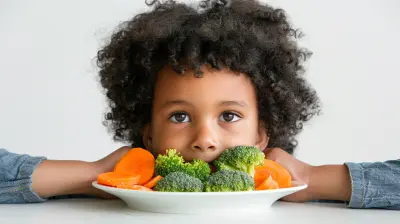
How to Raise a Child Who Loves Fruits and Veggies
11 April 2026
Let's be honest—getting kids excited about fruits and veggies can feel a bit like trying to convince a cat to take a bath. You know it’s good for them, but the resistance? Oh boy! But take a deep breath, because here’s the good news: with a little creativity, patience, and some fun strategies, raising a child who actually loves fruits and veggies is totally doable. In fact, it can even be fun!
So, grab your smoothie, sit back, and let’s chat about turning leafy greens and juicy berries into your child’s favorites—without the struggle.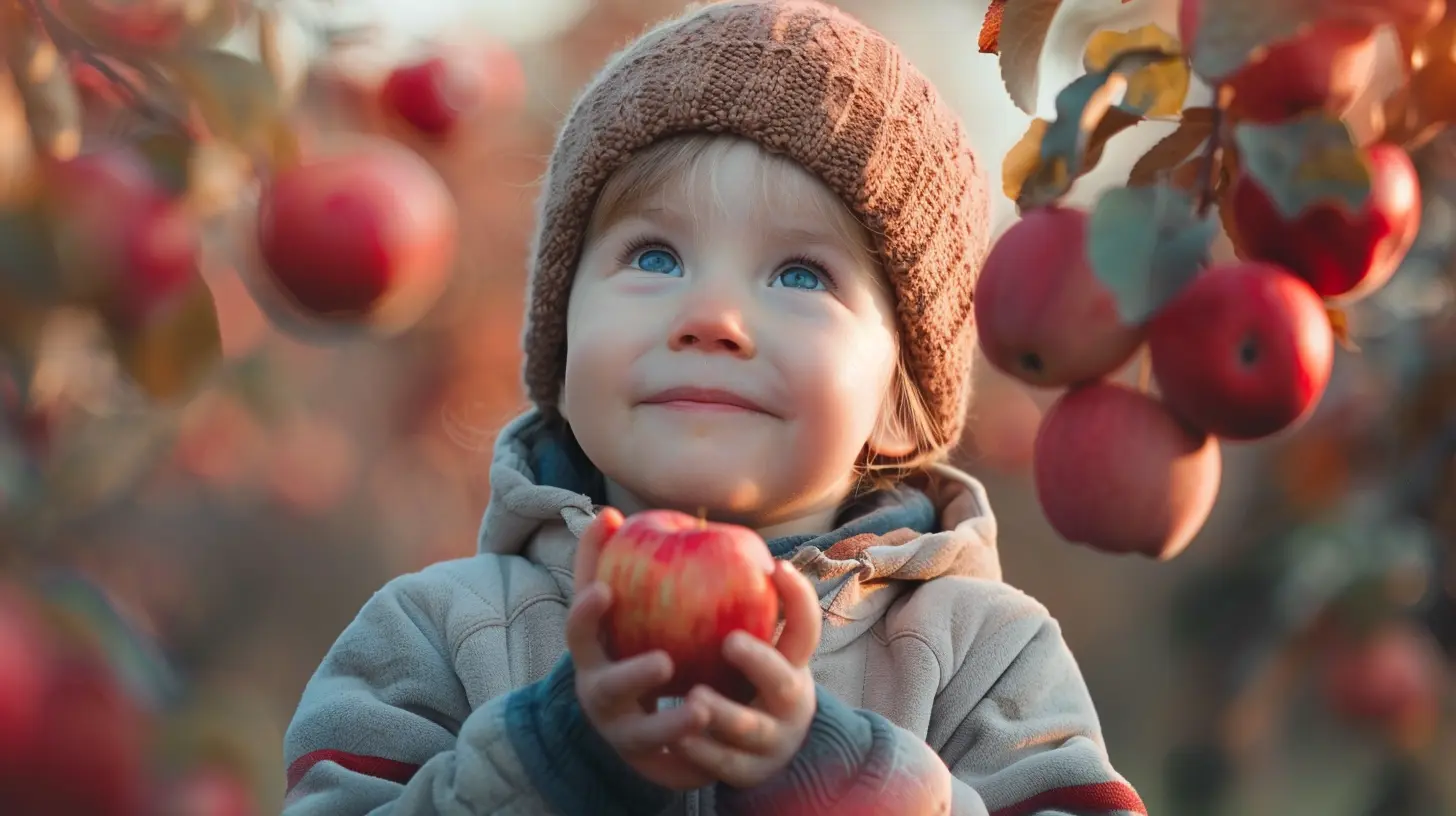
Why Kids Turn Up Their Noses at Fruits and Veggies
Before we jump into the how, let’s talk about the why.Kids are naturally wired to prefer sweet and salty flavors. It’s a survival instinct from way, way back when bitterness could mean danger (a.k.a. poison). Many veggies have a bitter edge, especially if they’re raw, so it's not just “picky eating"—it’s built into their biology.
On top of that, kids love things that are familiar. If apple slices and broccoli trees aren’t part of their usual lineup, they might instinctively push them away.
But don’t worry. Habits can change. Taste buds can be trained. With a little consistency and playfulness, your child can go from picky to produce-loving in less time than you’d think.
Start Early, But It’s Never Too Late
Introduce Variety From the Start
If you’ve got a baby or toddler, this is prime time to introduce a rainbow of produce. Babies are like little food sponges—what you offer regularly becomes what they prefer. Try purees, steamed veggies, fresh fruits, and even let them explore different textures with their hands.But what if your child is older and already skeptical? No worries at all. Kids can develop new food preferences at any age. It just takes extra exposure and a dash of patience.
Make Fruits and Veggies the Norm, Not the Exception
Keep Them Visible
Out of sight, out of mind, right? That goes for healthy food too!- Keep a bowl of fresh fruit on the counter.
- Place cut-up veggies (like carrot sticks or cucumber rounds) in see-through containers in the fridge.
- Add them to meals as if they’re just a normal part of the deal—which they are.
When kids see fruits and veggies being part of everyday life, they stop treating them like the weird kid in class and start accepting them as the cool regular.
Be the Role Model
You knew this one was coming, didn’t you? Kids mimic what they see more than what they’re told. If you’re munching on veggies during lunch or enjoying a juicy fruit salad at snack time, they’re going to take note.Turn it into a shared experience. “Mmm, this kiwi is so tangy! Want a bite?” might just spark some curiosity.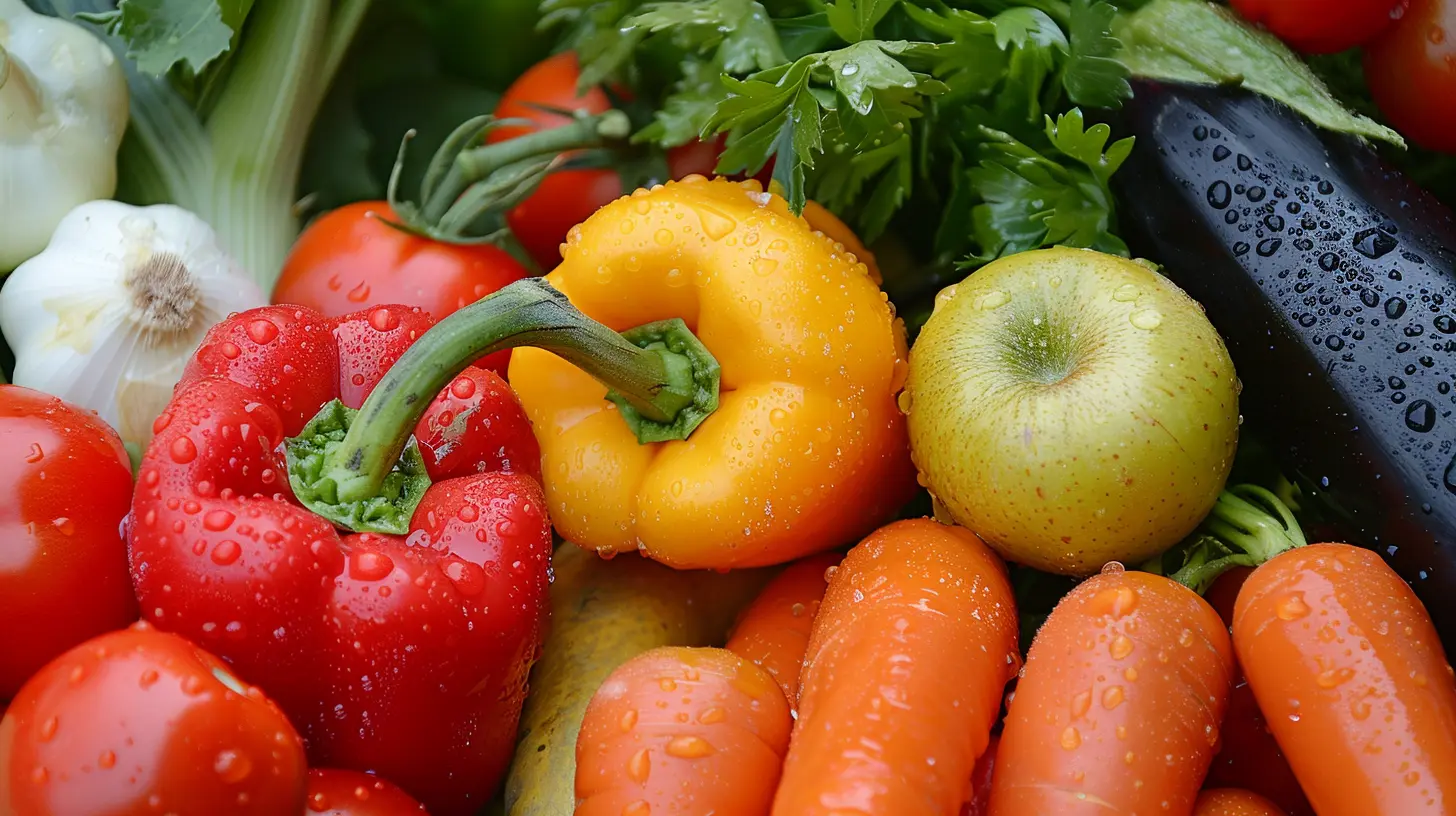
Make It Fun
Let’s face it—if eating fruits and veggies feels like a chore, your child will avoid it like math homework.Food Art and Shapes
Turn meals into a canvas. Slice bananas into coins, use cookie cutters on melon and cucumbers, arrange carrots into flowers or smiley faces. Think of it as edible art!Kids love anything that looks fun or silly. Even older children can get into creating “salad monsters” or building a broccoli forest.
Involve Them in the Kitchen
Kids who cook, eat. It’s just science.Invite your little one to help wash the produce, stir the salad, or sprinkle cheese onto roasted veggies. Even just choosing which fruit goes into their smoothie mix gives them ownership over the process.
And ownership means pride. And pride makes that healthy dish a whole lot more exciting.
Bring in a Bit of Play
Try some food games:- Taste Test Challenge: Try blindfolding your child and having them guess the fruit or veggie.
- Color of the Day: Pick a color and try to eat fruits and veggies that match.
- Veggie Voting: Each week, let them vote on their favorite veggie and use it in creative ways—pasta, wraps, smoothies, you name it.
Sneaky (But Smart) Strategies
Okay, sometimes a little stealth is necessary. And that’s okay too.Blend 'Em In
Smoothies are the ultimate magician’s trick. Spinach, kale, even avocado can hide behind bananas, strawberries, and a splash of juice.Soups and sauces are another great disguise. You’d be surprised how many bell peppers or carrots can hide out in a marinara sauce.
Bake with Produce
Zucchini muffins. Banana pancakes. Sweet potato brownies. Yes, yes, and yes! Baked goods can be a great vehicle for adding fruits and veggies in subtle ways.Just remember—you’re not just tricking them forever. This is about building positive food experiences until they're ready to appreciate veggies in all forms.
Turn Shopping Into an Adventure
Farmers’ Markets and Grocery Store Safaris
Instead of rushing through the produce aisle, make it an experience.Give your child a mission: “Choose one fruit you’ve never tried before.” Or let them pick the veggie for dinner. Markets especially have vibrant colors, interesting shapes, and friendly vendors who might even offer a sample or two.
The more familiar your child becomes with fruits and veggies outside the home, the more normal they feel when they’re on the plate.
Introduce Slowly and Repeatedly
Here’s a golden rule: exposure, exposure, exposure.It can take 10–15 tries (sometimes more!) for a child to accept a new food. If they reject broccoli today, no biggie. Offer it again next week. Maybe roasted next time, or with a sprinkle of parmesan.
The key is not to pressure. No bribing, no “just one bite” rules. Let them explore it, sniff it, touch it, or even reject it for now. Keep it pressure-free and consistent.
Add Flavor Without Guilt
We sometimes make the mistake of offering veggies plain and bland, hoping kids will magically fall in love with steamed cauliflower. Spoiler alert—they won’t.There’s zero shame in adding flavor:
- Cheese sauces
- Butter and herbs
- A drizzle of honey over roasted carrots
- A splash of ranch or hummus for dipping
Think of these as training wheels. Once they get used to the texture and general flavor, you can slowly turn down the dial.
Don’t Use Sweets as a Reward
This one’s tricky. It seems like a good deal: "Eat your broccoli, get dessert," right?But what happens is this: veggies = chore, sweets = prize. Over time, that builds a negative association with the very foods you want them to enjoy.
Instead:
- Praise the act of trying something new.
- Celebrate small wins: “You gave that green bean a chance—so proud of you!”
When you stay neutral about the food and positive about the effort, you help them build their own internal motivation.
Encourage The “One Bite Rule”
Ok, this one toes the line between pressure and encouragement, so tread lightly.The “one bite rule” is simple: they try one bite of something new. If they don’t like it, that’s it. No fuss, no force.
It builds curiosity and keeps their taste buds exploring. Just make sure the vibe is easygoing. No guilt trips, okay?
Teach Them Where Their Food Comes From
Grow Something Together
Even if you don’t have a garden, a simple pot of cherry tomatoes or a few herbs on the windowsill can be magical.When kids see food grow from a seed into something they can eat, they feel connected to it. It’s like edible science.
Plus—it’s super cool to say, “We grew this!”
Read Books and Watch Shows About Healthy Eating
There are tons of kid-friendly books and cartoons that talk about fruits and vegetables in fun, engaging ways. Think “The Very Hungry Caterpillar” or episodes of shows like “Sesame Street” that feature healthy habits.When food becomes fun across media and life, it sinks in deeper.
Be Patient and Keep It Positive
Lastly—and this is a big one—patience really is the secret sauce.Kids go through phases. One day they love strawberries, the next they act like you’re trying to serve them poison. Don’t take it personally.
Keep offering. Keep modeling. Keep celebrating progress, no matter how small. The goal isn’t perfection—it’s building lifelong habits and healthy attitudes.
Final Thoughts
Raising a child who loves their fruits and veggies doesn’t require trickery or magic (okay, maybe a sprinkle). It’s about consistency, connection, and creativity. The more you invite your child to be part of the process—from shopping to cooking to eating—the more those healthy habits stick.And remember: every little bite counts.
So next time your kiddo nibbles on a grape or tries a roasted carrot? That’s a huge win. Keep going. Their future healthy self will thank you.
all images in this post were generated using AI tools
Category:
Kids NutritionAuthor:

Liam Huffman
Discussion
rate this article
2 comments
Odessa McCullough
Great tips! I appreciate the emphasis on making fruits and veggies fun for kids. It’s so important to instill healthy habits early!
April 18, 2026 at 4:37 PM
Liam Huffman
Thank you so much! I’m glad it resonated. Making it fun really does lay the foundation for a lifetime of healthy choices.
Pamela Ramirez
Thank you for sharing these wonderful tips! Encouraging a love for fruits and veggies early truly sets a foundation for healthy habits.
April 15, 2026 at 4:35 PM
Liam Huffman
Thank you for your kind words! I'm glad you found the tips helpful. Encouraging healthy eating from a young age is so important!