How to Teach Fire Safety Skills to Your Children
3 July 2026
Fire, a friend in the hearth but a foe untamed,
A flickering dance, a dangerous game.
So let’s teach our little ones, strong and bright,
To handle fire’s power with wisdom and light.
Fire safety isn’t just a lesson—it’s a lifesaving skill. One that, when taught properly, can keep our children safe in moments that count the most. But how do we communicate this critical knowledge without making it scary? How do we make learning engaging rather than overwhelming?
Let’s break it down step by step—turning fire safety into a lesson wrapped in warmth and understanding. 
? Why Teaching Fire Safety Matters
Kids are naturally curious, especially about bright, flickering flames. Whether it’s birthday candles, fireworks, or the glowing stove, fire has a way of capturing their attention. But curiosity without knowledge can be dangerous.That’s why teaching fire safety early is like giving your child an invisible shield—one that could save their life. Accidents happen in a blink, and in those crucial seconds, what your child knows could mean the difference between safety and disaster.
So, how do we start? Let’s build the foundation. 
? Creating a Fire-Smart Home
Before teaching, ensure your home is a safe learning ground.1. Install & Test Smoke Alarms
Every room needs a guardian, and smoke alarms are just that. Place them strategically—bedrooms, hallways, kitchen—and check them monthly. Let your child hear the sound so they recognize it in an emergency.2. Keep Fire Hazards Out of Reach
Lighters and matches? Lock them away. Candles? Out of arm’s reach. Stove knobs? Covered or turned off when not in use. Prevention is always the first step to safety.3. Fire Extinguishers: A Household Must-Have
Teach your child about fire extinguishers—not to use them (that’s for adults), but to know where they are. Show them how grown-ups handle small fires and why acting fast matters.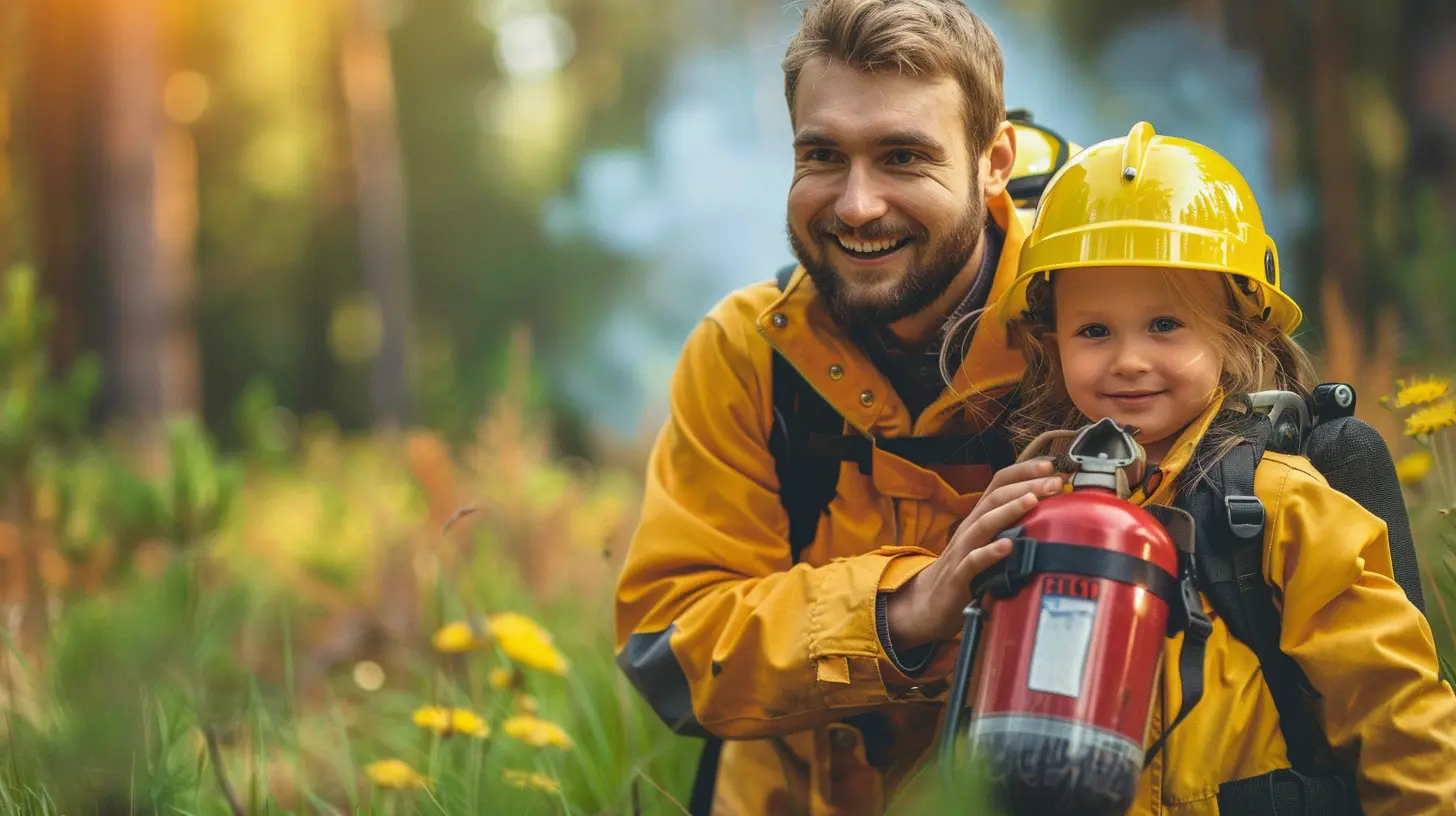
?? Essential Fire Safety Skills for Kids
1. Stop, Drop, and Roll
If fire catches onto clothes, panic can make things worse. Teach your child the golden rule:- Stop. Don’t run—it only fuels the flames.
- Drop. Get down immediately.
- Roll. Cover your face and roll until the fire is out.
Make it fun—turn it into a game. Practice rolling like a log; time each other to see how quickly you can do it.
2. Crawl Low, Smoke Rises
Smoke is just as dangerous as flames, and it travels fast. Teach your child to stay low—crawling under the smoke to find an exit.Make it an activity:
- Turn off the lights.
- Pretend the living room is smoky.
- Practice escaping by crawling low to the ground.
3. Identify Safe Exits
Every home should have at least two escape routes per room. Walk through your house with your child and identify:- Doors that lead outside.
- Windows that can be safely opened.
- A designated meeting spot outside the home.
Use a fun map-drawing activity—let your child sketch their escape plan. The more involved they are, the better they’ll remember.
4. Never Hide During a Fire
It’s natural for children to hide when scared, but in a fire, that can be deadly. Teach them that firefighters are helpers, and they should always run outside, never hide under beds or inside closets.Consider showing them pictures of firefighters in full gear—so they won’t be afraid if they see one in an emergency.
5. Fire is Not a Toy—Explain, Don’t Instill Fear
Instead of just saying, “Never play with fire,” explain why. Kids understand better through cause and effect. Light a candle safely and show them how fire spreads. Let them feel the warmth from a safe distance.The goal? Respect, not fear. 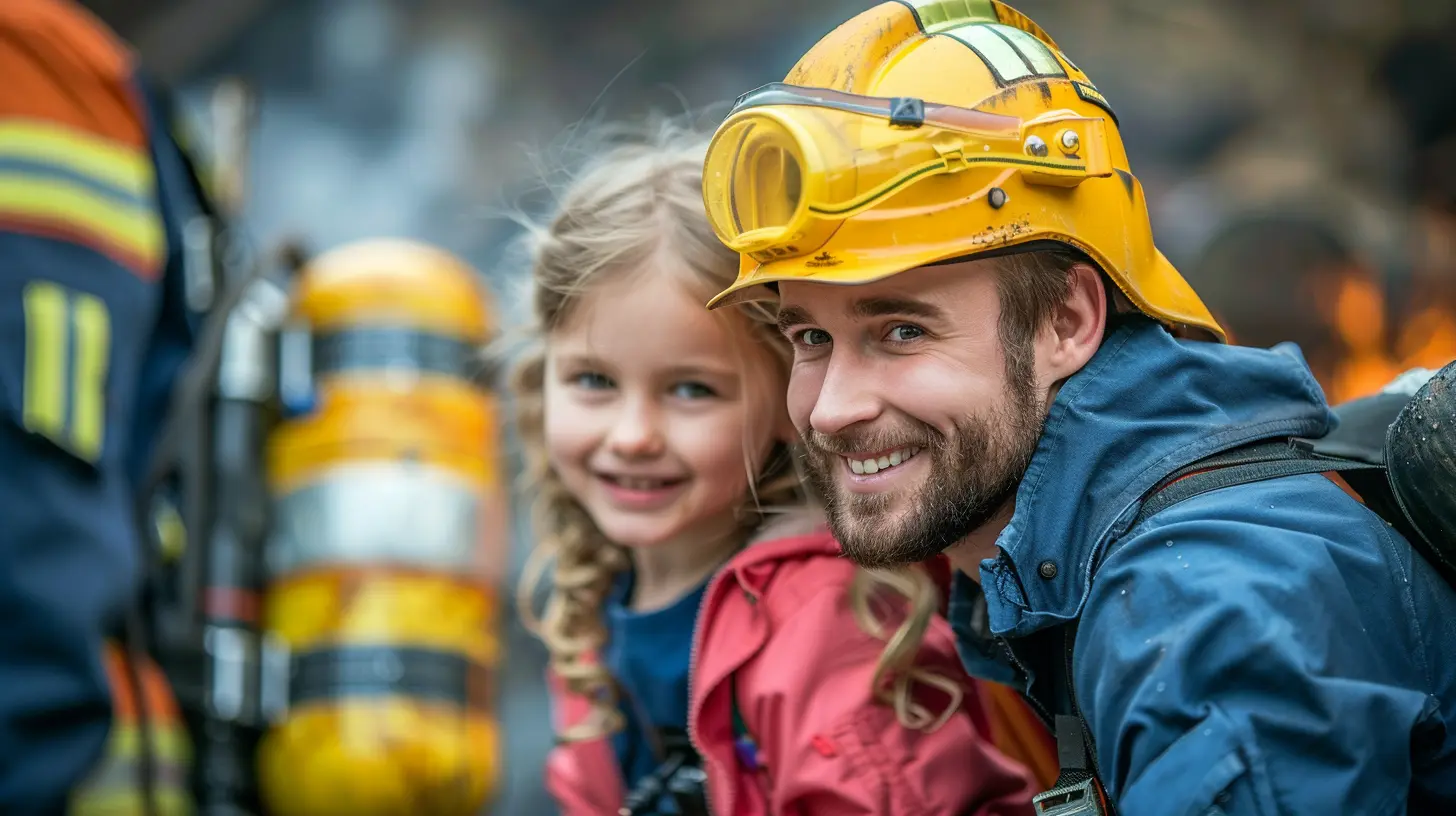
? Teaching Kids How to Call for Help
In an emergency, fast action saves lives. Teach your child:- Dial 911 (or your country’s emergency number).
- Speak slowly and clearly.
- Know their full name and address.
Role-play different scenarios so they feel confident making a call if needed.
? Fire Drills: Practice Makes Perfect
A skill isn’t mastered in theory—it’s practiced. Set up monthly fire drills at home. Make it interactive:- Time how quickly everyone can evacuate.
- Have fun but keep it serious enough for them to learn.
- Rotate escape routes to keep them alert and thinking.
If kids love a challenge, turn it into a friendly competition—who can make it to the meeting spot the fastest?
? What to Do After a Fire
Teaching about fire safety doesn’t end with prevention—it also includes what happens after a fire.After Escaping Safely:
✅ Never go back inside. Even for pets or favorite toys.✅ Wait for firefighters. Let the professionals handle the danger.
✅ Find an adult. If your child escapes alone, they need to alert a trusted adult immediately.
Discuss these steps often so they become second nature.
❤️ Leading by Example
Kids learn from what they see. If you handle fire responsibly, so will they.- Blow out candles before leaving a room.
- Cook safely—turn pot handles inward and keep flammable objects away from the stove.
- Never overload outlets.
When kids see you prioritizing fire safety, they’ll follow suit.
? Final Thoughts
Fire safety isn’t just another household rule—it’s a life skill. One that, if taught with patience and understanding, can protect the most precious thing in the world: our children.So, let’s turn lessons into habits, drills into second nature, and knowledge into safety. Because teaching fire safety today could save a life tomorrow.
Stay safe, stay informed, and keep the flames where they belong—warming hearts, not causing harm.
all images in this post were generated using AI tools
Category:
Child SafetyAuthor:

Liam Huffman
Discussion
rate this article
1 comments
Lulu Mathews
Great tips! Teaching kids about fire safety is so important. It not only keeps them safe but also empowers them.
July 3, 2026 at 3:07 PM