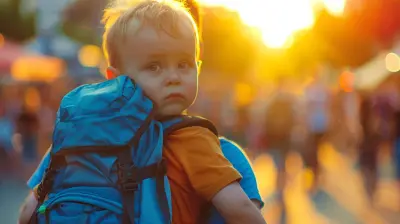
Motivating Kids to Embrace Responsibility With Positive Reinforcement
9 February 2026
Raising responsible kids isn't just about teaching them chores and rules. It's about guiding them to take ownership of their actions, grow in confidence, and become independent. But let’s be real—getting a child to clean up after themselves or complete their homework without complaints can feel like a never-ending battle.
So, how do we encourage responsibility without constant nagging or punishments? The secret lies in positive reinforcement—a game-changer when it comes to shaping behavior and fostering accountability.
In this guide, we'll explore how to motivate kids to embrace responsibility using encouragement, rewards, and a little bit of psychology. 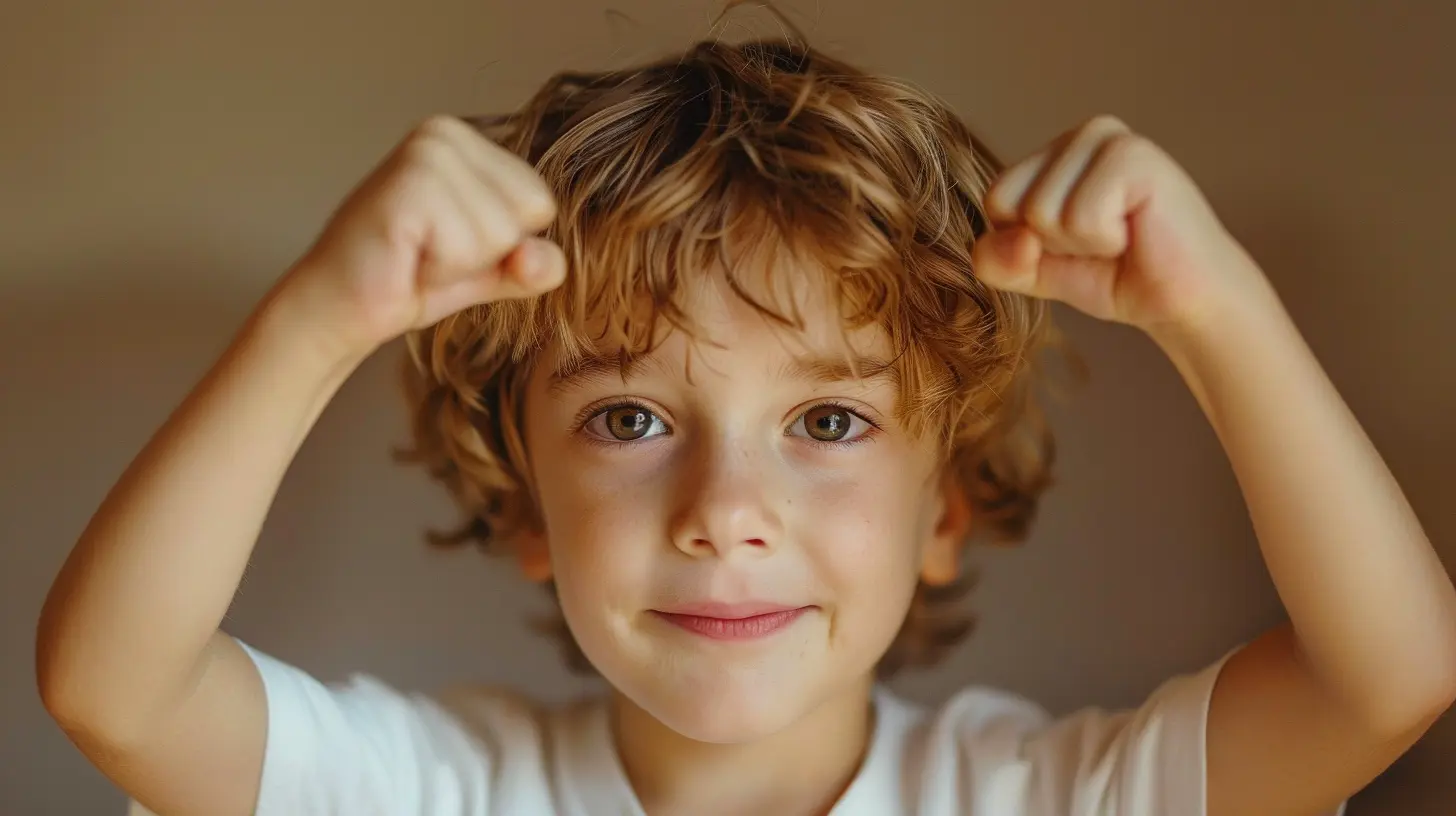
Why Responsibility Matters for Kids
Responsibility isn’t just about doing chores or following rules; it’s a fundamental life skill. Teaching children responsibility from an early age:- Builds self-confidence – They feel capable and proud when they accomplish tasks.
- Encourages independence – Helps them take charge of their actions and decisions.
- Fosters accountability – They learn to own up to mistakes and find solutions.
- Prepares them for adulthood – Life won’t always have someone reminding them to clean their room!
But here’s the thing—kids aren’t born responsible. It’s a learned skill, and how you teach them makes all the difference. 
The Power of Positive Reinforcement
Positive reinforcement is all about encouraging good behavior by rewarding it. Instead of focusing on what they’re doing wrong, you reinforce the actions they get right. When done correctly, it creates a natural motivation for kids to want to be responsible.How It Works
Think of it this way: If your child finishes their homework without reminders and you praise them—"Wow! You completed your work all on your own. That’s amazing!"—they’ll feel good about themselves and be more likely to repeat the behavior.Positive reinforcement works because:
- It strengthens good habits and makes them second nature.
- It fosters a positive emotional connection between responsibility and rewards.
- It creates intrinsic motivation, where kids want to act responsibly for personal satisfaction rather than just to avoid punishment.
But how do you apply this strategy effectively? Let’s break it down. 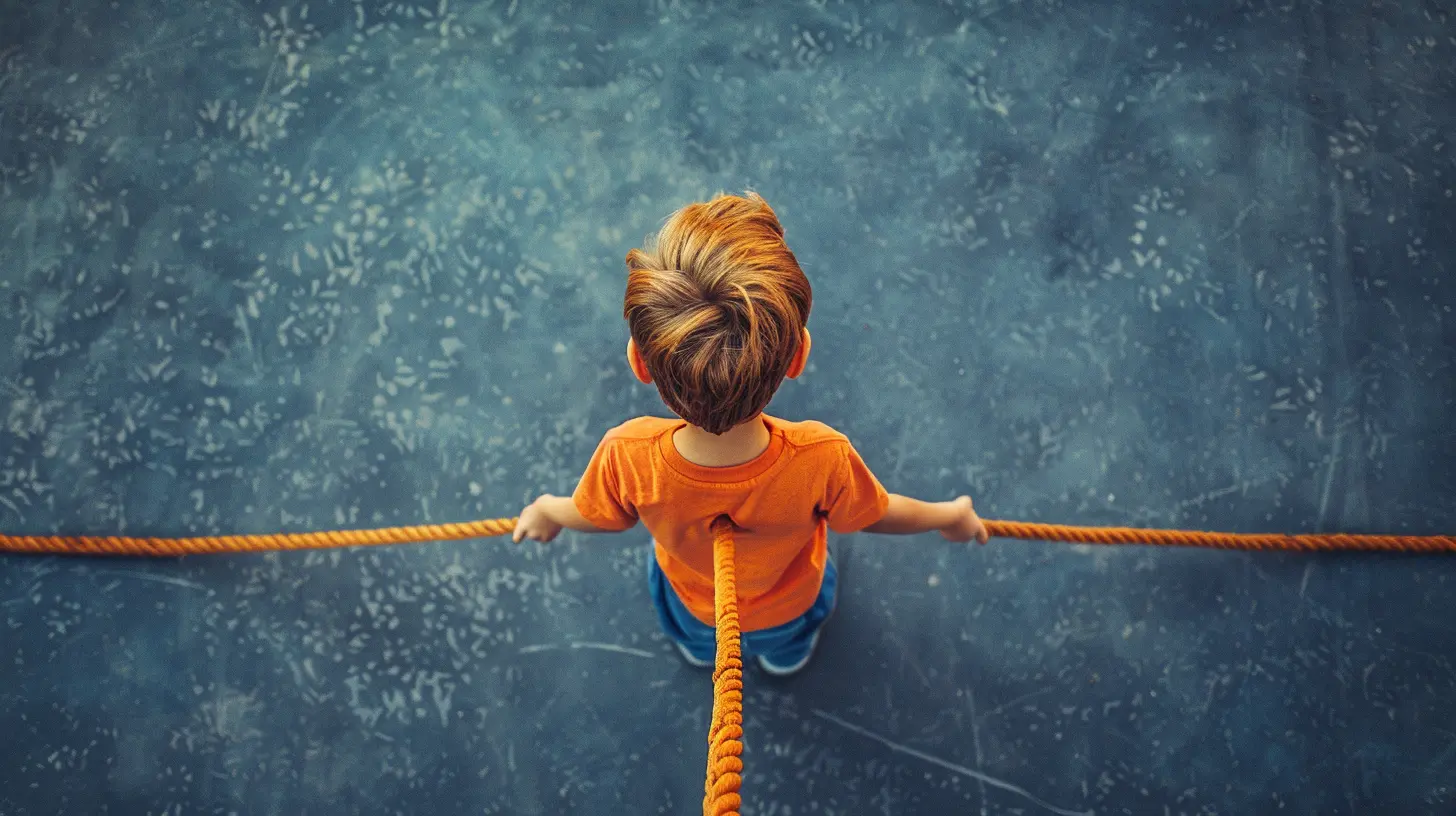
Practical Ways to Use Positive Reinforcement
1. Praise the Effort, Not Just the Outcome
Instead of only praising kids when they succeed, focus on their effort. Saying, "I love the way you tried to pack your school bag all by yourself!" reinforces perseverance, even if they made a few mistakes.This approach keeps them motivated to keep trying, rather than fearing failure.
2. Use a Reward System (Without Overdoing It)
Rewards don’t always have to be material things. In fact, the best rewards are those that make kids feel valued and appreciated. Here are a few ideas:- Verbal praise – A simple “Great job!” can go a long way.
- Extra privileges – More playtime, choosing the family movie, or an extra bedtime story.
- Sticker charts or points systems – These work especially well for younger kids.
- Small treats – Occasional surprises, like their favorite snack, can make responsibility fun.
The key? Keep rewards meaningful but not excessive. You don’t want kids to start expecting something every time they complete a task.
3. Lead by Example
Kids watch everything we do. If they see you taking responsibility—whether it's tidying up, paying bills on time, or admitting mistakes—they're more likely to follow suit.Make responsibility a family affair. Share chores, take turns making decisions, and talk about the responsibilities you handle daily.
4. Give Age-Appropriate Responsibilities
Handing a five-year-old a laundry pile and expecting them to fold everything neatly? That’s a recipe for frustration. Instead, match tasks to their age and ability level:- Toddlers (2-3 years old) – Putting toys away, wiping small spills.
- Preschoolers (4-5 years old) – Feeding pets, setting the table.
- School-age kids (6-10 years old) – Making their bed, helping with dishes.
- Preteens and teens (11+ years old) – Cooking simple meals, doing laundry.
Starting small ensures they don’t feel overwhelmed. And as they succeed, gradually increase their responsibilities.
5. Turn Responsibilities Into Fun Challenges
Let’s face it—chores can be boring. But with a little creativity, you can inject some fun into responsibility:- Race against the clock – "Can you clean up your toys before this song ends?"
- Responsibility bingo – Mark off completed tasks and celebrate a full row.
- Sibling competitions – Who can set the table the fastest (without breaking anything!)?
Turning tasks into games keeps kids engaged and helps responsibility feel less like a chore.
6. Allow Natural Consequences
Sometimes, the best lessons come from life's natural consequences. If your child forgets their lunch, let them experience what it's like to go without it (as long as it's safe to do so).This teaches them:
- Responsibility for their own actions.
- That mistakes have consequences, but they can learn from them.
Of course, support them through the process, but don’t always swoop in to fix things!
7. Be Patient and Consistent
Responsibility is a habit, not an overnight transformation. Some days, kids will resist. Other days, they’ll surprise you with their willingness.Stay patient, consistent, and celebrate progress, even if it’s small. The goal isn’t perfection—it’s growth. 
Avoiding Common Pitfalls
Even with positive reinforcement, it’s easy to come across obstacles. Here are some common pitfalls to watch out for:- Bribing instead of reinforcing – If your child expects a reward every time, the motivation shifts from becoming responsible to getting something in return.
- Overpraising – Praise should be genuine. If it’s excessive, kids might start seeking approval rather than learning self-motivation.
- Expecting instant results – Building responsibility takes time. Keep reinforcing positive behaviors, and trust the process.
Final Thoughts
Teaching kids to embrace responsibility doesn’t have to be a constant struggle. By using positive reinforcement—praise, encouragement, and meaningful rewards—you can motivate them to take ownership of their actions, develop good habits, and build confidence.Remember, the goal isn’t to push them into responsibility but to guide them toward it in a way that feels natural and rewarding. Start small, stay consistent, and celebrate every win—no matter how tiny.
Before you know it, your child will be taking on responsibilities without being asked…and maybe even teaching you a thing or two!
all images in this post were generated using AI tools
Category:
Teaching ResponsibilityAuthor:

Liam Huffman
Discussion
rate this article
2 comments
Damon Pruitt
Great article! I love the idea of using positive reinforcement to motivate kids. It's amazing how a little encouragement can boost their confidence and willingness to take on responsibilities. We all need that gentle nudge sometimes, and teaching them early on makes a world of difference. Thanks for sharing these tips!
February 28, 2026 at 6:00 AM
Liam Huffman
Thank you for your kind words! I'm glad you found the tips helpful. Positive reinforcement truly makes a difference in motivating kids!
Quill Moses
In the garden of growth, where values bloom, Nurturing responsibility lights up the room. With gentle praise like sun's warm embrace, Kids flourish and thrive, finding their place. Let love guide the way, as they learn and explore, Together we build, forevermore.
February 9, 2026 at 3:33 AM
Liam Huffman
Thank you for your beautiful words! They perfectly capture the essence of fostering responsibility in children through love and positive reinforcement.