Raising a Healthy Eater: Encouraging Positive Food Relationships
22 February 2026
Feeding kids isn’t always a walk in the park. One moment they’re all about apples, the next they’re demanding chips for breakfast. Sound familiar? If you’ve ever found yourself in a food standoff with your toddler or wondering how to keep your tween's eating habits on track, you’re definitely not alone. The good news? Raising a healthy eater doesn’t mean you need to be perfect—it just means focusing on building a positive food relationship from day one.
Let’s unpack all the juicy details on how to raise kids who love food in a healthy, respectful, and balanced way.
What Does It Mean to Raise a “Healthy Eater”?
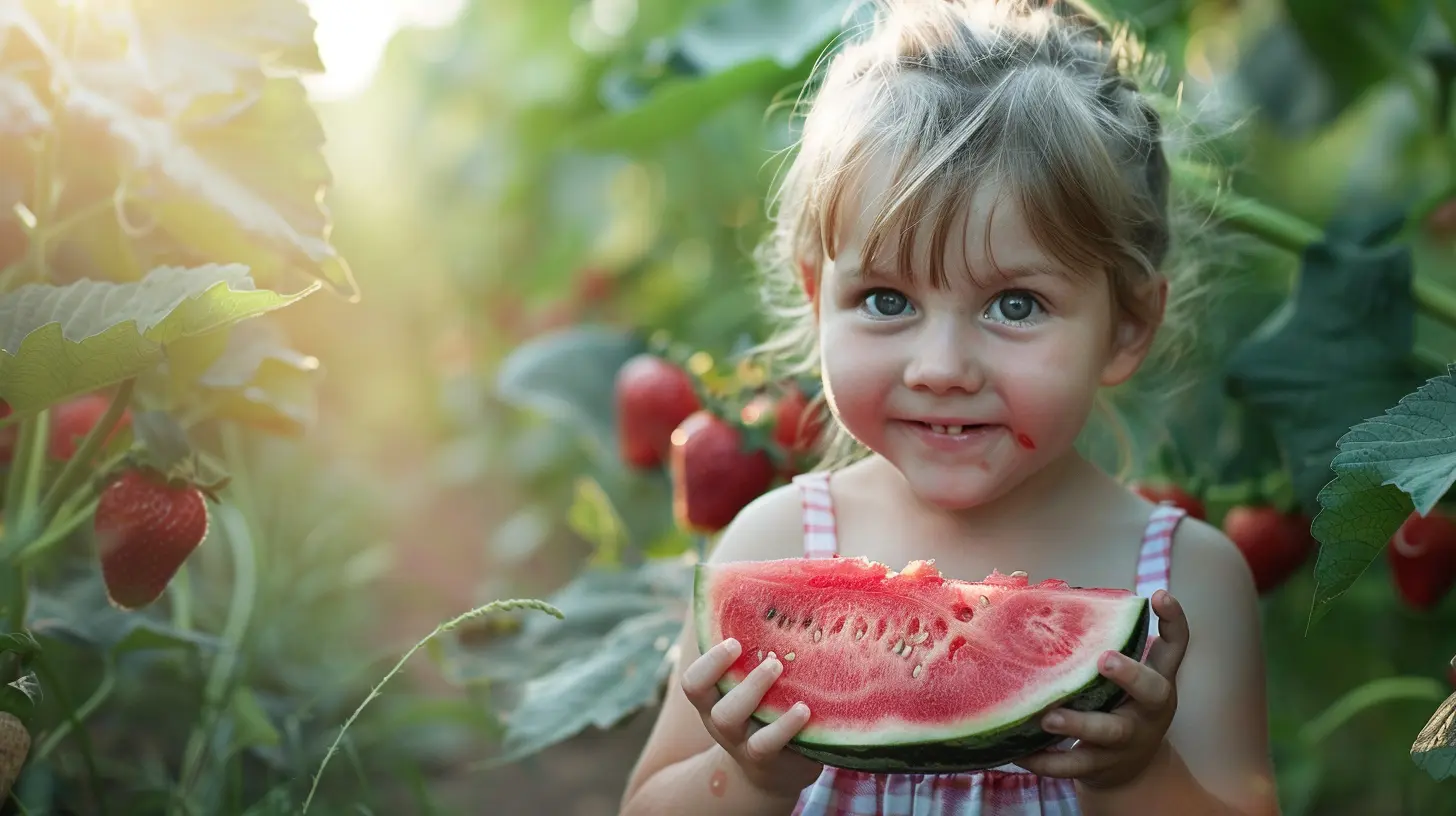
Being a healthy eater isn’t just about kale salads and quinoa bowls. It’s about how your child feels about food. Do they listen to their hunger cues? Are they curious about trying new things? Do they have a balanced view of "fun" foods versus nutrient-dense meals? That’s the goal.Healthy eaters trust their bodies, respect food, and don’t carry guilt around what’s on their plate. That’s the kind of foundation that leads to lifelong wellness—not just physically, but emotionally too.
The Power of Your Example: Modeling Positive Behavior
Kids are like little sponges. They notice everything—even the way you eye the dessert menu with guilt. If you're constantly dieting, criticizing your body, or labeling foods as “bad,” they’ll pick up on that energy.Instead, try this:
- Eat meals with your child whenever possible
- Enjoy a variety of foods yourself
- Show excitement about trying new dishes
- Avoid negative commentary like “I shouldn’t eat this” or “I need to burn this off”
Real talk: You are your child’s first food role model. And no pressure—they don’t need perfect, they just need real.
Ditch the Food Labels: “Good” vs. “Bad” Foods
Here’s the thing—when we label foods as "bad," kids start attaching shame to eating. And when something is “bad,” it suddenly becomes a lot more interesting, right?Instead of calling cookies "junk," you might say something like, "Cookies are fun to enjoy sometimes, and we also need foods that help our bodies grow strong.”
By keeping the language neutral and focusing on what foods do for the body rather than creating a moral ranking system, you help your child develop trust around all kinds of foods.
Involve Your Kid in the Kitchen
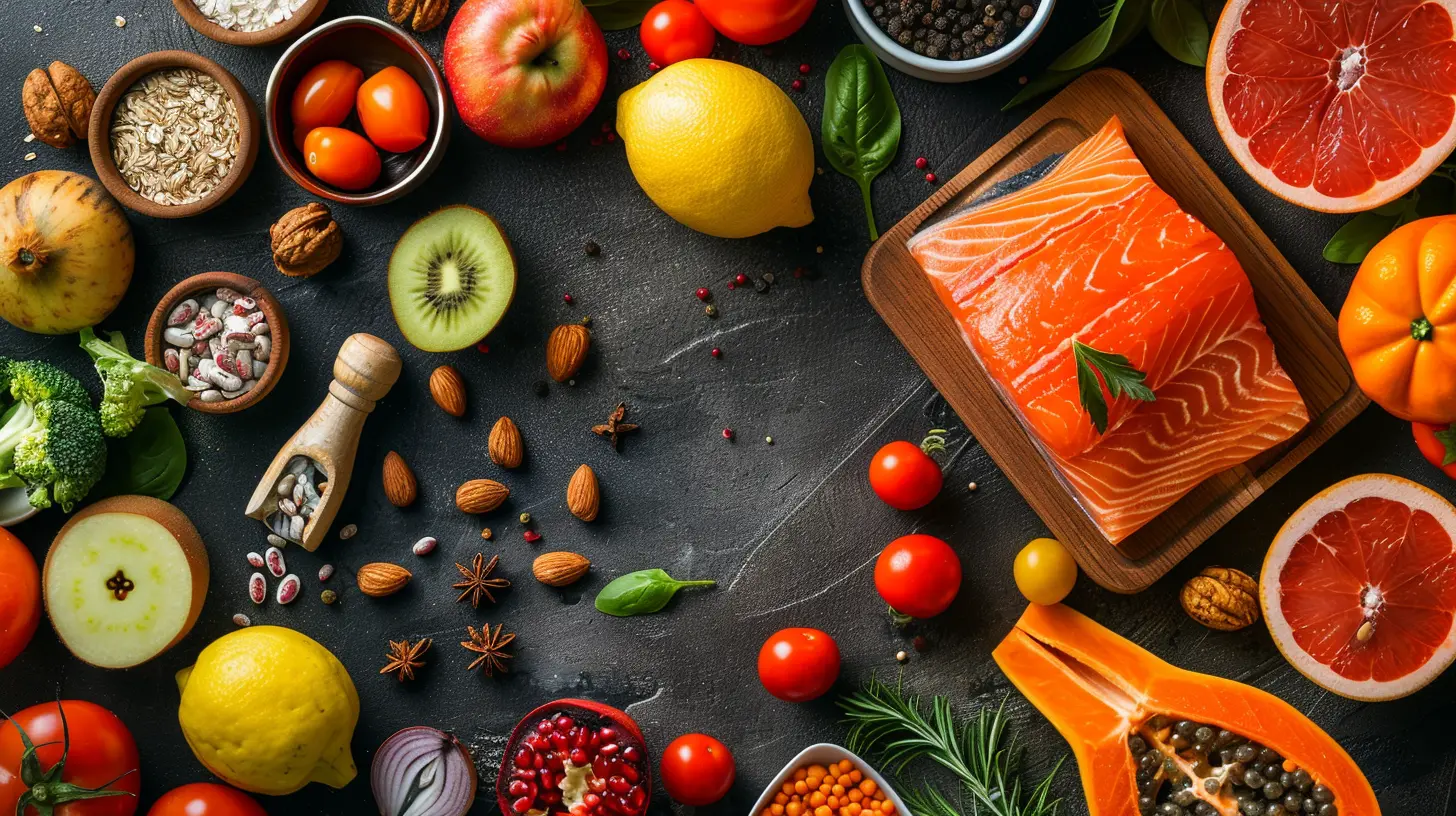
One of the easiest (and most fun!) ways to grow a healthy eater? Get them involved in cooking and food prep.Let them:
- Wash veggies
- Stir pancake batter
- Pick out produce at the market
- Help plan a meal once a week
Letting them play a role gives them agency and encourages curiosity. Plus, they’re way more likely to taste something they’ve helped make—yes, even the green stuff.
Teach Listening to Hunger and Fullness Cues
This is big. Teaching kids to listen to their body’s hunger and fullness signals empowers them to eat intuitively.Here’s how you can help:
- Avoid forcing them to clean their plate
- Encourage them to eat slowly and pay attention to how they feel
- Respect if they say they’re full—even if they’ve only eaten half
We don’t want kids eating on autopilot or out of pressure. We want them to feel connected to what their body needs.
Make Mealtimes a Positive, Pressure-Free Zone
We’ve all been there—begging, bribing, or threatening bites of broccoli. But pressure can backfire. It turns the dinner table into a battleground.Instead, try making mealtimes consistent, calm, and enjoyable. Sit down together, put away distractions, and share stories—not just critiques of what’s on the plate.
If your child doesn’t eat much during one meal, don’t panic. Kids’ appetites change daily, and they’ll usually make up for it at the next meal or snack.
Avoid Using Food as a Reward or Punishment
“Finish your peas and you’ll get dessert.” Sound familiar?Using food as a reward teaches kids that some foods are better or more special than others. That can mess with their ability to eat for hunger rather than emotion.
Try instead:
- Offering desserts regularly so they’re not viewed as prized possessions
- Celebrating with non-food rewards like extra storytime or a dance party
- Acknowledging achievements in ways unrelated to food
The goal? Disconnect emotional highs and lows from what goes in their mouth.
Create a Creative Food Environment
Presentation can be everything. A boring pile of vegetables might make them snooze—but rainbow kabobs? Edible art. Kids are visual creatures.Get playful:
- Use cookie cutters for fruits and sandwiches
- Arrange food in smiley faces or themes
- Serve “color challenges” (eat something red, something green, something orange)
It’s not about trickery—it’s about showing them that food is fun and exciting to engage with.
Respect Picky Eating Phases
Yep, picky eating is basically a childhood rite of passage. Try not to freak out if your child suddenly hates foods they used to love.Stay relaxed. Keep offering a variety of healthy options without pressure. Keep modeling and exposure consistent. This phase usually doesn’t last forever—and the less attention it gets, the faster it fades.
Also? Having one “safe” food at every meal can take stress out of the equation—for both of you.
Keep It Balanced, Not Perfect
If your child has chicken nuggets two nights in a row, it’s not the end of the world. If they went to a birthday party and ate five cupcakes, life goes on.We’re aiming for balance over time—not every meal being a picture of perfection. Think about their intake over the course of a week, not a single day.
Also, allow for flexibility. Sometimes you're busy. Sometimes there's a meltdown. Sometimes cereal and fruit for dinner is a win. That’s okay.
Nutrition Shouldn’t Be Complicated
Try not to get lost in the weeds of nutritional jargon. Instead, keep it simple and kid-friendly.Use fun language like:
- “Proteins help build your muscles”
- “Fruits and veggies are body protectors”
- “Carbs give us energy to run and play”
The goal isn’t to train a junior dietitian—it’s to help them understand how food supports their body in a way they can relate to.
Watch for Red Flags
While most food quirks are totally normal, it’s also good to watch out for warning signs that could signal disordered eating behaviors.Talk to your pediatrician if you notice:
- Severe restriction of food groups
- Obsessive focus on weight or calories
- Anxiety around food and mealtimes
- Regularly skipping meals
Your child’s mental and emotional relationship with food is just as crucial as the physical aspect. Don’t hesitate to seek guidance early.
Encourage Movement Without Weighing It Down
Let exercise be fun—not punishment. If your child sees you working out because it feels good, rather than to “burn off” food, they'll be more inclined to look at movement the same way.Dance parties, playing at the park, swimming, and even gardening count as joyful movement. Keep it light and fun—no calorie talk needed.
Stay Consistent, Not Controlling
It can definitely feel like a balancing act, right? You want to guide, but not control. Structure helps—like having regular meal and snack times—but avoid micromanaging every bite.Let your child lead within the boundaries you set. You decide what is served; they decide how much to eat. That’s the sweet spot.
Final Thoughts
Raising a healthy eater is less about rules and more about relationships—the one your child has with food, their body, and the world around them. It's about trust, exposure, patience, and a whole lot of love.You won’t get it right every single time (spoiler alert—none of us do). But showing up with intention, modeling a balanced approach, and keeping food joyful is the most powerful gift you can give your child.
And remember—your goal isn’t just to get them to eat their veggies today. It's to help them create a lifelong, healthy, and happy relationship with food. That’s where real nourishment begins.
all images in this post were generated using AI tools
Category:
Kids NutritionAuthor:

Liam Huffman
Discussion
rate this article
2 comments
Remi Summers
Great article! Encouraging positive food relationships in kids is essential for lifelong healthy eating habits. Fostering curiosity about food and involving them in meals can make a big difference.
March 4, 2026 at 5:49 AM
Liam Huffman
Thank you for your thoughtful comment! I completely agree—fostering curiosity and involvement in meals truly lays the foundation for healthy eating habits.
Gunner Underwood
Empowering healthy eating habits starts with love and patience—every small step matters!
February 23, 2026 at 4:19 AM
Liam Huffman
Thank you for highlighting the importance of love and patience in fostering healthy eating habits! Every small step truly makes a significant difference in building positive food relationships.