Raising Confident Kids: The Importance of Play
13 February 2026
Confidence isn’t something kids are born with—it’s something they build over time. And one of the most powerful tools for fostering confidence? Play. That’s right! From make-believe adventures to a game of tag, play helps kids develop the resilience, creativity, and courage they need to take on the world.
But in today’s fast-paced, screen-filled world, unstructured playtime is becoming a rare gem. Let's dive into why play is crucial for raising confident kids and how you can encourage it in a meaningful way.

Why Is Confidence Important for Kids?
Confidence shapes how kids see themselves and how they navigate life’s challenges. When children feel secure in their abilities, they’re more likely to take risks, embrace new experiences, and bounce back from setbacks. A confident child doesn’t just believe they can do something—they step up and give it a try.But here’s the thing: Confidence isn’t something we can simply tell our kids to have. Saying, “You’re amazing!” is nice, but confidence grows through experience. That’s where play comes in.
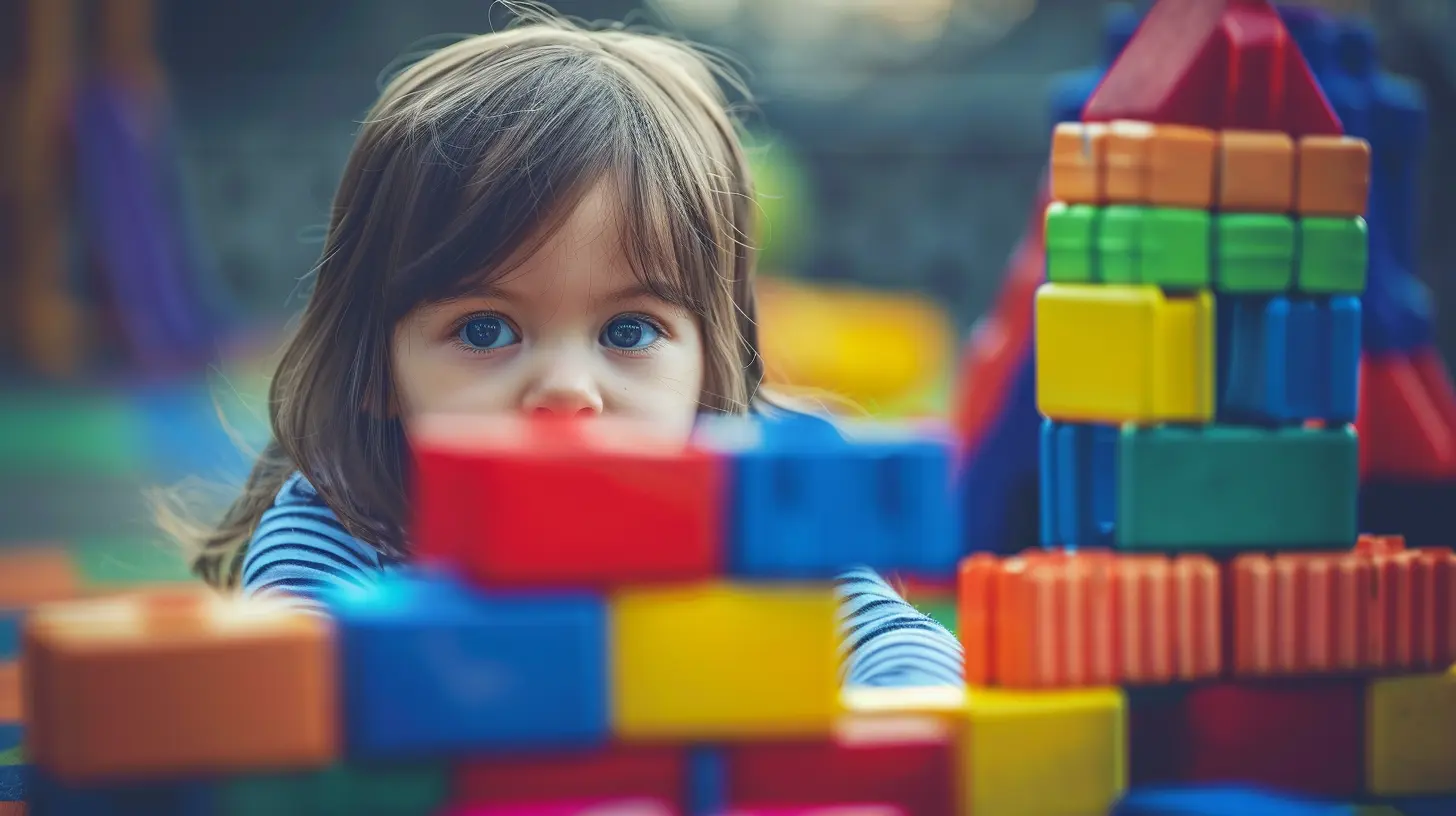
How Play Builds Confidence
Play isn’t just fun—it’s a powerful learning tool. It allows kids to experiment with new ideas, develop problem-solving skills, and gain a sense of accomplishment. Here’s how play works its magic:1. Encourages Risk-Taking
Ever seen a toddler attempt to climb onto the couch, fail, and then try again? Play gives kids a safe space to take risks. Whether it's jumping from the monkey bars or figuring out how to build the tallest Lego tower, these little challenges teach kids perseverance and self-trust.2. Develops Problem-Solving Skills
From puzzles to pretend play, kids learn to think critically and come up with creative solutions. When they face a tricky situation—like figuring out how to share toys with a friend—they develop social and cognitive skills that will serve them for life.3. Strengthens Social Skills
Confidence isn’t just about individual abilities—it’s also about feeling comfortable in social settings. Play teaches kids how to work together, resolve conflicts, and express themselves. Whether they’re negotiating the rules of a game or role-playing as superheroes, they’re practicing real-world communication skills.4. Boosts Emotional Resilience
Life isn’t always smooth sailing, and kids need to learn how to handle setbacks. Through play, they experience both victories and failures in a low-stakes environment. Maybe they lose a board game or struggle to master a new skill—but with encouragement, they keep going. This builds the resilience they’ll need later in life.5. Fosters Creativity and Imagination
Ever built a spaceship out of cardboard boxes? Or played "restaurant" with pots and pans? Unstructured play fuels creativity, helping kids think outside the box. When they create their own worlds, they develop confidence in their abilities to innovate and express themselves.
The Role of Different Types of Play
Not all play is created equal! Different types of play contribute to confidence in different ways. Let’s break it down:1. Free Play (Unstructured Play)
This is when kids are in charge. No rules, no instructions—just pure imagination. Whether it’s playing with dolls, running around the backyard, or building a fort, free play builds independence and decision-making skills.2. Social Play
Playing with others—whether siblings, friends, or even parents—promotes cooperation and emotional intelligence. It teaches kids how to navigate friendships, compromise, and work as a team.3. Physical Play
Sports, roughhousing, and outdoor activities help kids develop coordination, strength, and a sense of accomplishment. Running, jumping, and climbing challenge their bodies, while also boosting their self-esteem.4. Role-Playing and Pretend Play
When kids dress up and take on different roles (doctor, firefighter, chef), they explore different perspectives and build empathy. Pretend play helps them express themselves, understand emotions, and step into new challenges with confidence.5. Structured Play (Games and Sports)
Games with rules—like board games, sports, and organized activities—teach discipline, patience, and perseverance. They help kids handle competition, experience both winning and losing, and develop self-control.
How Parents Can Encourage Play
So, how can you make sure your child gets the playtime they need to develop confidence? Here are some simple but powerful strategies:1. Make Time for Play
Between school, homework, and extracurricular activities, kids today have packed schedules. Try to carve out free time each day for unstructured play. Even just 30 minutes of playtime can make a big impact.2. Create a Play-Friendly Environment
You don’t need a giant backyard or fancy toys. A simple space with open-ended materials (blocks, art supplies, household items) can inspire creativity. Let them get messy, explore, and experiment.3. Encourage Outdoor Play
Nature provides the perfect playground. Whether it’s climbing trees, chasing butterflies, or digging in the dirt, outdoor play helps kids build confidence while connecting with the world around them.4. Join the Fun!
Playing with your kids strengthens your bond and boosts their confidence. Get down on the floor and build with blocks, have a dance party, or play pretend. When they see you engaging with enthusiasm, it encourages them to take risks and enjoy the moment.5. Let Them Face Small Challenges
Resist the urge to step in every time your child struggles. If they’re building a tower and it keeps falling, give them space to figure it out. Overcoming small frustrations teaches them perseverance and problem-solving.6. Limit Screen Time
While technology has its place, too much screen time can limit real-world play. Encourage hands-on activities that involve movement, creativity, and social interaction.7. Celebrate Effort, Not Just Results
Instead of saying, “You won the game! You’re the best!” try, “I love how you kept trying even when it was tough.” Praising effort over outcomes helps kids develop a growth mindset and confidence in their abilities.The Long-Term Benefits of Play
Confidence built through play doesn’t just benefit kids in the moment—it sets them up for success in the long run. Children who experience rich, playful environments are more likely to:- Take Initiative – They aren’t afraid to try new things.
- Handle Setbacks – They understand that failure is part of learning.
- Work Well with Others – They develop strong communication and teamwork skills.
- Be Independent Thinkers – Their creativity and problem-solving abilities shine.
In short? Play isn't just about fun. It’s an investment in your child’s future.
Final Thoughts
Raising confident kids doesn’t require a magic formula—it just requires space, time, and encouragement for play. Whether they’re pretending to be astronauts, racing bikes, or giggling through a game of hide-and-seek, they’re building the foundation for a self-assured future.So, let's give them room to explore, experiment, and have fun. Because in the end, play is the ultimate confidence booster!
all images in this post were generated using AI tools
Category:
Building Self EsteemAuthor:

Liam Huffman
Discussion
rate this article
2 comments
Callista McCracken
Play builds confidence; let kids explore and express themselves freely!
February 28, 2026 at 6:00 AM
Liam Huffman
Absolutely! Play is essential for fostering creativity and self-assurance in children, allowing them to discover their interests and abilities authentically.
Karson McKibben
Thank you for this insightful article! I appreciate the emphasis on play as a vital component in building confidence in children. It's a valuable reminder for parents to prioritize joyful, unstructured playtime.
February 13, 2026 at 4:13 PM
Liam Huffman
Thank you for your kind words! I'm glad you found the article valuable and that it resonates with the importance of play in building children's confidence.