Teaching Kids Problem-Solving Skills From an Early Age
3 May 2026
Ever watched a toddler try to fit a square block into a round hole? It's equal parts adorable and fascinating. They twist, turn, maybe even try brute force—until finally, lightbulb moment—the square block goes where it belongs. That little moment? That’s problem-solving in action.
But here’s the twist: what if we, as parents, consciously taught our kids how to solve problems instead of leaving it to trial and error? Sounds powerful, right? That’s because it is.
Let’s crack open this mysterious (and surprisingly fun) approach to raising resilient kids: teaching kids problem-solving skills from an early age.
Why Problem-Solving Is a Big Deal (Even for Toddlers)
Let’s face it—life throws curveballs... even at kids. From sibling squabbles to school stress, our children are constantly navigating little challenges. The earlier they learn to handle these hiccups, the stronger and more independent they become.Think of problem-solving as a superpower. It’s not just about fixing a broken toy—it builds patience, boosts self-confidence, encourages critical thinking, and helps them bounce back when things don’t go as planned. Sounds like skills we all wish we had more of, huh?
When Should You Start Teaching It?
You know what’s incredible? Kids as young as 2 or 3 can begin learning the basic scaffolding of problem-solving. No, they’re not ready for Sudoku puzzles just yet—but they are capable of figuring things out on their own with a bit of coaching.The trick is to integrate it seamlessly into their everyday lives. The goal? Make problem-solving feel like play, not work.
The 5 Building Blocks of Problem-Solving for Kids
You don’t need a psychology degree to raise a little problem-solver. Just keep these five simple steps in mind, and weave them into your daily parenting routine.1. Identify the Problem (Name it to Tame it)
Before kids can solve a problem, they have to know that one exists. Seems obvious, right? But for toddlers and young children, putting emotions and situations into words can be tricky.Help them name the issue. Instead of saying, “Stop crying about your toy,” try “Are you upset because your toy isn’t working the way you want?” When we give them the words, we give them the tools.
2. Understand Their Feelings (Because Emotions Matter)
Kids can’t think clearly when emotions run high. (Let’s be real—neither can adults). Start by validating their feelings.Say something like, “It’s okay to feel frustrated—it’s tough when things don’t go how we want.” When they feel heard, they calm down. And calm brains are problem-solving brains.
3. Brainstorm Possible Solutions (Like Mini Inventors)
Now comes the fun part. Let your child throw out ideas—no matter how wacky.If their toy broke, they might say, “Tape it with stickers!” Sure, it won’t work. But that’s okay. The idea is to let them flex their creativity muscles. You can guide them later. Right now, just let their minds wander.
4. Pick the Best Solution (Time for Logic Lightbulbs)
Now help them narrow down the ideas. Together, talk through what might work and what might not.Ask, “If we try this, will that solve the problem? Or will it make things harder?” This teaches them cause and effect—one of the cornerstones of logical thinking.
5. Try It Out and Reflect (Tiny Scientists in Action)
Encourage your child to try their chosen solution. Whether it works or not, reflect afterward.“What happened? Did it help?” Whether the solution works or flops, both outcomes are golden. Failures are just hidden lessons dressed in disguise.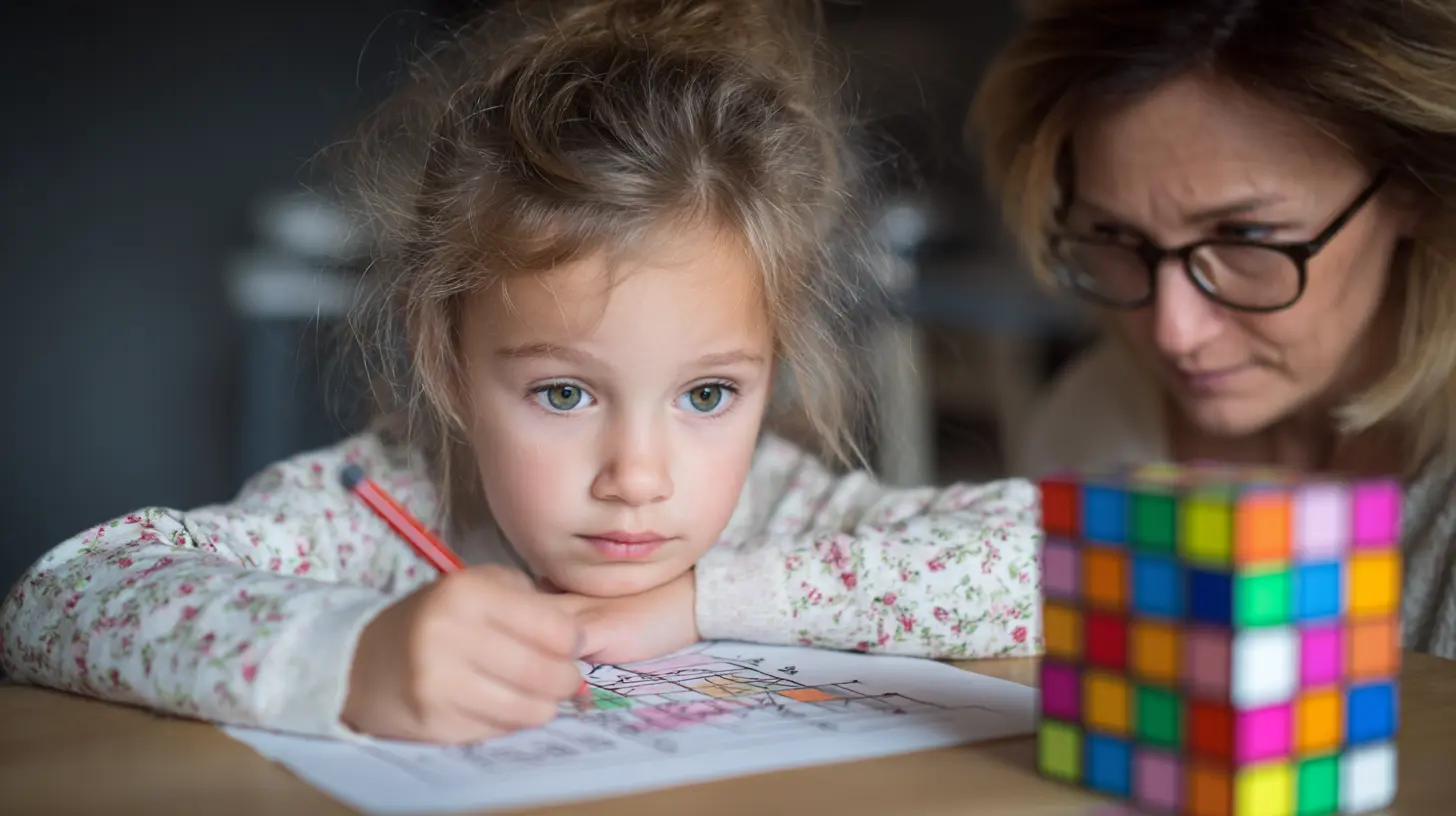
Real-Life Scenarios: Where the Magic Happens
Let’s bring this out of the parenting theory bubble and into real life.?️ The Playground Dilemma
Scenario: Your child wants a toy another kid is playing with.Old Way: You step in and say, “Let’s wait for our turn.”
Problem-Solving Way: Ask, “What can we do if someone has the toy we want?” Let them suggest ideas—wait, ask nicely, find a different toy—and support them as they try out a solution.
? The Spilled Paint Disaster
Scenario: Your preschooler spills paint over the table.Old Way: "Why weren’t you careful?!"
Problem-Solving Way: “Uh-oh! What can we do to clean this up?” Help them grab wipes, scrub together, and talk about how to prevent it next time.
Suddenly, a mess becomes a mini masterclass in damage control. ?
The Role of Play in Problem-Solving (It’s More Than Just Fun)
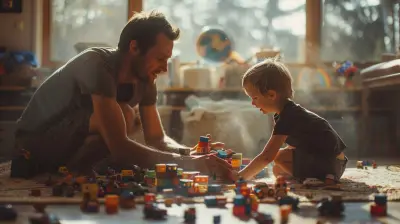
Here’s where it gets juicy: play isn’t just a pastime. It’s a training ground.Building blocks? That’s engineering. Pretend play? That’s social problem-solving. Puzzles? Obvious. Even arguing over who gets to be the dragon in a game of knights teaches negotiation, compromise, and emotional intelligence.
So don’t be so quick to cut playtime short. It’s not “just playing” — it’s your child’s brain doing push-ups.
How to Encourage Problem-Solving Without Overstepping
Here’s the fine balance: be a guide, not the fixer.It’s oh-so-tempting to swoop in when things go sideways. But when we do, we rob our kids of the opportunity to work it out themselves. Think of yourself as their coach, not their rescuer.
Instead of giving the answers, ask leading questions:
- “What do you think you should do?”
- “What are some other ways we can handle this?”
- “What happened last time this came up?”
It might take longer, but the payoff is worth it. Trust me.
Tech and Screens—Friend or Foe?
Let’s be honest: screens are everywhere. So, does tech help or hurt problem-solving skills?Well... both.
Mindless cartoons? Not so much. But interactive games and apps that encourage strategy, puzzles, and logic? Huge win. The key is balance and choosing screen time that truly engages your child’s brain.
Look for apps that require thinking, experimenting, and learning from failure. Think coding games, digital puzzles, or virtual escape rooms for kids. Just make sure you're not replacing real-world challenges with screen-based ones.
Encourage Curiosity and Questions (Even the Annoying Ones)
You know those rapid-fire questions our kids bombard us with? “Why is the sky blue?” “What happens if cats drink coffee?” “Why do worms wiggle?”Resist the urge to brush them off.
Each question is a spark of curiosity—and curiosity is the front door to problem-solving. Encourage it. Ask questions back. Dig deeper.
When a child asks, “Why does ice melt?” You could answer… or you could say, “Hmm, what do you think?” and explore together.
You’re not just giving answers. You’re feeding their hunger to figure things out.
Mistakes Are Magic
One of the greatest gifts you can give your child is the freedom to fail.That’s right—mistakes are magical.
When something doesn’t work, it teaches resilience. It builds grit. It shows them the world doesn’t end when they mess up. Instead, they learn to tweak their approach and try again.
So instead of saying, “You did it wrong,” try, “What could we do differently next time?”
Failure is just feedback in disguise.
Be a Problem-Solving Role Model
Yep, your kids are watching you—even when you're not trying to teach them. If you slam the door when things go wrong or complain without action, guess what they’ll mirror?Instead, verbalize your process. Say things like:
- “Hmm, this didn’t turn out like I hoped. Let’s see what I can do.”
- “This is tricky, but I think I have a few ideas.”
- “It’s okay. I’ll figure it out with some help.”
You’re not just solving your own problems—you’re teaching them how to solve theirs.
Nurturing a Lifelong Skill
Teaching kids problem-solving isn’t a one-time lesson. It’s a journey—a skill that grows with them, like a tree that strengthens and branches out each year.The seeds you plant now will bloom when they’re facing tough tests, tricky friendships, or even their first heartbreak. These aren’t just kid problems—they’re life problems. And your little one will be ready.
So, next time your child is stuck, don’t rush to the rescue.
Pull up a chair, get curious, and say, “Let’s figure this out together.”
You’ll be amazed at what their growing minds can do.
Final Thoughts
Raising a kid who can solve problems isn’t about handing them all the answers—it’s about showing them how to ask the right questions. It’s about giving them room to stumble, space to think, and encouragement to keep trying.Because at the end of the day, life doesn’t come with a manual... but a strong problem-solving mindset? That’s the next best thing.
And guess what? It starts with you—right here, right now.
all images in this post were generated using AI tools
Category:
Education TipsAuthor:

Liam Huffman
Discussion
rate this article
2 comments
Courtney Hines
As children navigate challenges, each problem becomes a puzzle waiting to be solved. Uncovering their unique solutions not only fosters independence but also reveals the hidden strengths they didn't know they possessed...
May 21, 2026 at 4:25 AM
Liam Huffman
Absolutely! Encouraging kids to view challenges as puzzles helps them build confidence and discover their strengths. It's all about empowering them on their problem-solving journey.
Fiona Elliott
What a wonderful topic! Teaching kids to tackle problems early on sets them up for lifelong success and confidence. Great insights!
May 18, 2026 at 3:17 AM
Liam Huffman
Thank you! I'm glad you found the insights valuable. Teaching problem solving early really does make a difference.