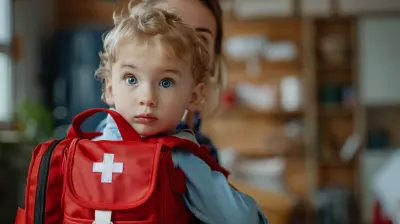
The Do’s and Don’ts of Babysitter Safety
16 March 2026
Let’s be real—parenting is a full-time job. And sometimes, even superheroes need a break. Whether it’s for a date night, a quick errand, or just a breather to keep your sanity intact, hiring a babysitter can be a real lifesaver. But let’s not sugar-coat it—leaving your child in the care of someone else can be nerve-racking.
That’s where babysitter safety comes in. It's not just about trusting someone with your child. It's about setting up a system that looks out for the well-being of your little one—and gives you peace of mind. So, how do you make sure you've got all your safety ducks in a row?
We’ve got you covered with the ultimate list of do’s and don’ts of babysitter safety. Think of this as your go-to cheat sheet for selecting, preparing, and empowering the right sitter—without the stress.
Why Babysitter Safety Should Be a Top Priority
Imagine handing over the keys to your car to someone you barely know. You’d hesitate, right? Now, think about your child—your pride and joy. Entrusting a babysitter with their safety is just as serious. Accidents happen even under the best care, but proper planning and a little preparation can minimize risks and maximize trust.Safeguarding your child isn’t about being paranoid. It’s about being proactive.
The Do’s of Babysitter Safety
Let’s dive into the positive stuff first. These are the must-do steps every parent should take before stepping out the door.✅ Do: Conduct a Thorough Background Check
You wouldn’t hire an employee without checking their references, so don’t skip this step when choosing a sitter. Whether it’s a teenager from your neighborhood or a professional nanny, you need to know their track record.- Ask for multiple references.
- Check their social media (yep, it's not snooping—it's smart).
- Look for red flags like frequent job hopping or unclear work history.
- Use trusted services or platforms that pre-screen candidates.
Tip: If they’ve had CPR or first aid training, that’s a major plus!
✅ Do: Set Clear Expectations
Let’s face it—mind reading isn’t a babysitter’s superpower. If you expect something specific, say it clearly.Prepare a list:
- Bedtimes and routines
- Food allergies or restrictions
- House rules (like no screen time or sweets)
- Emergency contacts and medical info
Bonus points if you leave it printed. Because let’s be honest, no one remembers a ramble session five minutes before you head out the door.
✅ Do: Give a Tour of Your Home
It might seem obvious to you, but your sitter doesn’t live there. Show them:- Where the first aid kit is
- How the baby monitor works
- Which doors should stay locked
- What toys are safe (and which ones are toddler booby-traps)
A short walk-through can prevent hours of confusion and a potential accident.
✅ Do: Run a Trial Session
Before you hand over full responsibility, arrange a practice run. This could be an hour while you're still home but out of sight. It lets your child and babysitter bond—and gives you a look at how they interact.Is your child comfortable? Does the sitter follow instructions? Do they engage meaningfully?
If it feels off, trust your gut.
✅ Do: Keep Communication Open
A great sitter won’t mind periodic check-ins. Give them your number and encourage them to text if they have even a tiny doubt. And let them know it’s okay to ask questions—lots of them.Also, ask for a sitter report: What did your child eat? Were there any tantrums? Did someone sneak extra cookies?
It’s not micro-managing. It’s parenting.
✅ Do: Teach Your Child About Safety
Even toddlers can understand basic rules. Tell them:- Who is allowed in the house
- To never open the door
- To speak up if something feels wrong
These small conversations reinforce that they have a voice—yes, even as tiny humans.
The Don’ts of Babysitter Safety
Alright, time to flip the coin. These are the "big no-no’s" that can turn a relaxing outing into a stressful nightmare.❌ Don’t: Assume Age Equals Maturity
Just because someone is 25 doesn’t automatically make them a responsible caregiver. On the flip side, some 16-year-olds are naturals with kids.Instead of judging solely by age, focus on experience, demeanor, and attitude. Do they:
- Know how to handle a meltdown?
- Stay calm under pressure?
- Use common sense?
That’s what you’re really hiring.
❌ Don’t: Leave Without a Safety Plan
Before you step outside your home, your sitter should know:- Your child’s allergies
- Emergency procedures
- Nearby neighbors’ names
- Where you’ll be (even if it’s just a mile away)
Leaving this stuff to chance is like driving without a seatbelt. You hope it’s never needed—but if it is, it could be a game-changer.
❌ Don’t: Overwhelm With Too Much Responsibility
Your babysitter isn’t a superhero (unless you got really lucky). Don’t expect one person to cook, bathe, tutor, clean, and entertain—especially if it’s their first time in your home.Stick to realistic expectations. If you need more help, look into part-time nannies or family assistants.
❌ Don’t: Forget to Introduce the Babysitter to Your Child
Awkward first meetings? No thanks. Always let your child and the sitter meet before the job starts. Watch how they interact.Does your child warm up to them? Does the sitter seem genuinely interested? That first impression really does matter.
❌ Don’t: Ignore Your Instincts
If something doesn’t feel right—even if you can’t explain why—don’t ignore that tingling Spidey-sense. Your parental intuition is a powerful radar. Trust it.Your child’s safety is not the time for second-guessing.
Bonus Tips: Pro-Level Babysitter Safety Moves
Ready to earn gold-star parenting status? Here are a few extra steps to take if you want to go above and beyond.📸 Set Up a Camera (But Be Transparent)
A baby cam or nanny cam can help put your mind at ease. Just be upfront with your sitter—nobody likes to feel spied on.Say something like: “We have monitors around the home, mostly for emergencies. Hope that’s okay!”
Chances are, if they’re honest and trustworthy, they’ll appreciate your honesty.
🧠 Keep Emergency Supplies Visible
Don’t tuck away the first aid kit behind twenty bottles of nail polish. Keep it front and center.Same goes for flashlights, phone chargers, and emergency contacts. Make a visible “safety spot” so the sitter knows where to look without having to turn your kitchen upside down.
📱 Use a Babysitting App or Journal
Want to get fancy? There are apps and printable charts that help babysitters keep track of meals, naps, diaper changes, and more. It’s a small thing, but it helps you stay in the loop and makes your sitter feel more organized.❤️ Encourage Your Sitter
A little appreciation goes a long, long way.If your sitter does a great job, let them know. Write a thank-you note. Give a tip or bonus when you can. And, of course, keep their number on speed dial.
Reliable babysitters are gold—and they deserve to feel valued.
Final Thoughts: It’s All About Trust and Preparation
Look, no one’s saying parenting is easy. But with the right babysitter and a solid plan, stepping away doesn't have to feel like walking a tightrope without a net. It can actually feel... freeing.You deserve to take a break. And with these do’s and don’ts of babysitter safety in your back pocket, you can leave home with confidence, knowing your little one is in loving, capable hands.
So go ahead—book that dinner reservation or take that yoga class. You've earned it.
all images in this post were generated using AI tools
Category:
Child SafetyAuthor:

Liam Huffman
Discussion
rate this article
2 comments
Orionyx Barlow
In the delicate balance of entrusting our children to caregivers, we must remember that safety is not just about protocols but also fostering trust—between parents, babysitters, and the children who rely on them.
March 18, 2026 at 5:49 AM
Liam Huffman
Absolutely! Trust is essential for a safe and nurturing environment. It's important for parents and caregivers to communicate openly and build strong, trusting relationships for the well-being of the children.
Owen McRae
Empowering babysitters through clear communication enhances safety and builds trust for everyone involved.
March 16, 2026 at 4:16 PM
Liam Huffman
Thank you! Clear communication is indeed key for ensuring safety and fostering trust in the babysitting experience.