The Emotional Impact of Being a Stay-At-Home Dad and How to Overcome It
6 June 2026
Imagine this: the sun is barely peeking over the horizon, the coffee’s half-drunk, and there's a trail of toys from the kitchen to the bathroom. A tiny human is tugging at your pant leg, asking for cereal... again. You're knee-deep in diapers, dishes, and Dora the Explorer reruns. Sound familiar? If you're a stay-at-home dad, this might be your everyday reality.
Being a stay-at-home dad is rewarding beyond measure, that’s for sure. But let’s be honest—it’s no walk in the park (unless we're talking about the tenth lap around the neighborhood trying to soothe a colicky baby). The emotional weight? Oh, it’s real. And it can hit hard.
Let’s talk about it. The emotional rollercoaster of being a stay-at-home dad is not just under-discussed—it’s nearly invisible in the parenting world. So buckle up, dads. This one's for you.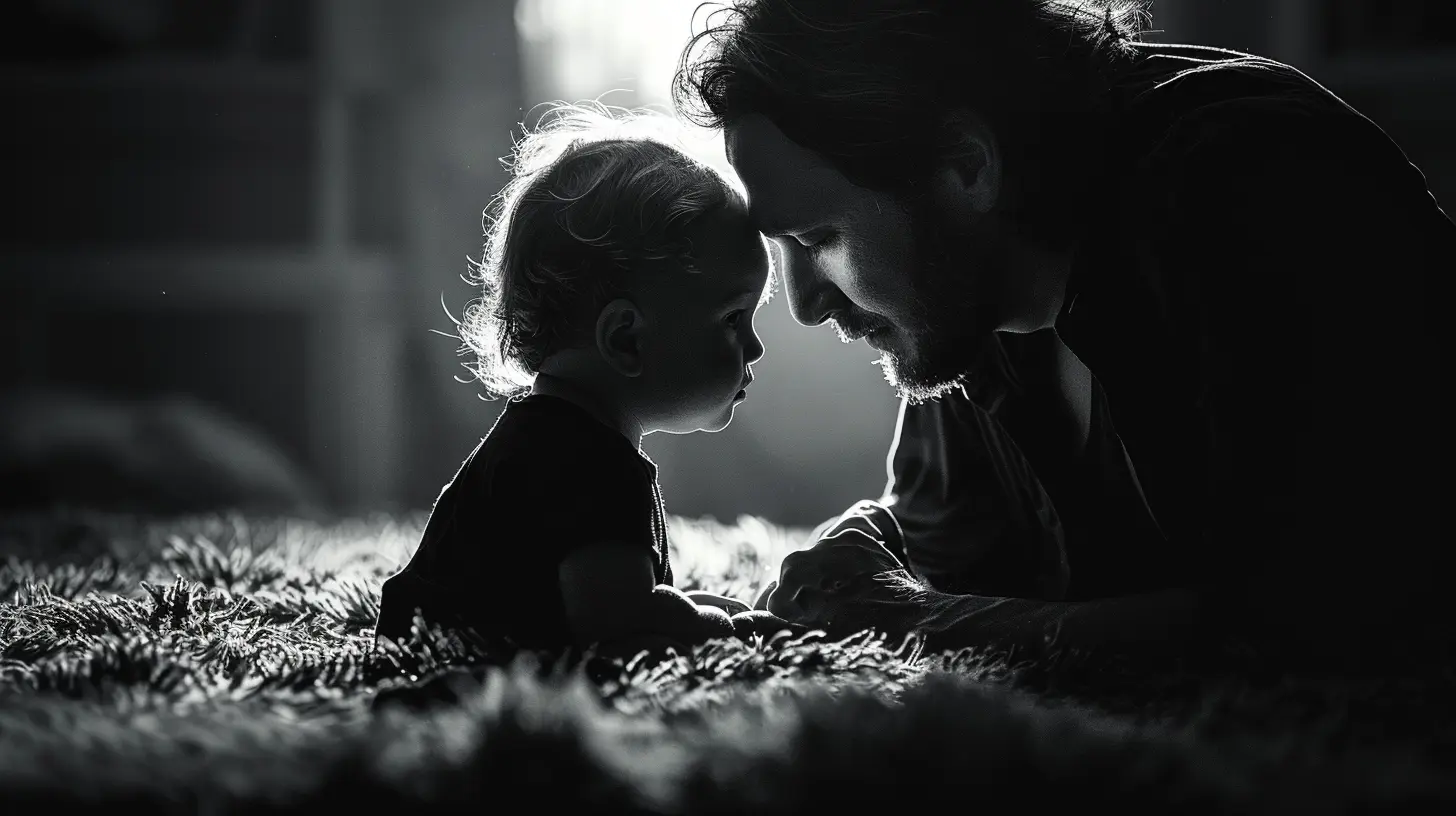
The Stigma Still Lingers: Breaking the Mold
Even in our seemingly progressive times, the concept of a stay-at-home dad still raises eyebrows. Ever felt that awkward silence after telling someone you're a full-time parent? Yep, that.Society has long painted a picture of dads as the breadwinners, the “fixers of broken bikes,” not the ones singing lullabies or wiping spills. And when you shift into the full-time caregiver role, that mental framework doesn’t just vanish. You might hear it in jokes, see it in side-eyes, or sense it in the way your old college buddy suddenly talks to you like you’ve retired from ambition.
What That Does to Your Identity
Here’s where it stings: when your job is raising kids, and society doesn’t define that as “work,” you can start questioning your own worth. You’ve gone from being seen as a provider to “just” a dad—whatever that means. The identity crisis can creep in slowly, like a fog. And before you know it, you're staring at the ceiling at 2 AM wondering if you're still "man enough."Spoiler alert: You are. More than enough.
Isolation Hits Different
Let’s talk loneliness. Not the kind where you're physically alone—oh no, your toddler is right there, probably using your face as a canvas. We're talking emotional isolation.You're Never Alone, Yet Completely Alone
It’s bizarre, isn’t it? You’re constantly surrounded by noise, yet you crave adult conversation. You start to forget what it’s like to talk about anything other than nap schedules and Paw Patrol plot holes.Your social circle might shrink. Your old pals are tied up at the office, and the local mom groups? They’re welcoming, but sometimes you feel like an outsider peeking in through a foggy window.
It chips away at you. You might not even realize it until one day you catch yourself talking to the cat about feeding routines.
The Pressure Cooker of Expectations
Raising kids is hard. Period. But doing it while battling internalized expectations about masculinity, productivity, and success? That’s next-level pressure.Money Matters—and Self-Worth Follows
Even if you're in a family where your partner fully supports the setup, financial stress can still creep in. You might feel guilty about not bringing in a paycheck. And guilt? It's a sneaky little monster that loves to feed on your confidence.Add to that the pressure to "do it all"—cook gourmet meals, teach ABCs, maintain a spotless home—and suddenly you’re not just a dad. You’re a chef, janitor, therapist, and educator rolled into one, often without recognition or a paycheck.
The Silent Battle with Mental Health
We don’t talk enough about how stay-at-home dads can struggle with mental health. Depression doesn’t care about your gender. Anxiety doesn’t skip over diaper duty. And burnout? Oh, it’s real.Signs You Might Be Struggling
- You feel irritable or angry more often than not- You’ve lost interest in things you once enjoyed
- You feel overwhelmed or inadequate
- You feel disconnected from your kids or partner
- You're constantly tired, even when you "sleep" (we all know it's not real sleep)
If any of this hits home, know this: You're not failing. You’re human.
So… How Do You Overcome It?
Let’s flip the script. You’re not stuck. You’re navigating one of the most emotionally demanding roles out there. And guess what? There are ways to not just survive—but thrive.1. Own Your Role: Redefine What It Means to Be a Dad
First, throw out the script society handed you. You're not a babysitter. You're not taking a break from your career. You're raising a human being. That’s not a fallback plan—it’s a calling.Embrace your title. Wear it like armor. When someone asks what you do, say it with pride: “I’m a stay-at-home dad.” Period.
2. Build Your Tribe
You don't have to go it alone. Find other dads who get it—even if it’s just one. There are Facebook groups, Reddit threads, even local meetups dedicated to dads in your shoes. Some communities even have “Dad and Me” playgroups. Yep, they exist.Human connection matters. You need someone to laugh with when your kid draws on the dog with a marker or throws spaghetti on the ceiling.
3. Carve Out “You” Time
We know. Time feels like a luxury you can’t afford. But fam, you can’t pour from an empty cup.Even if it’s 15 minutes of journaling, one weekly gym session, or a podcast during nap time—it counts. It’s yours.
And don’t feel guilty for needing space. You’re not abandoning your post; you’re recharging your batteries so you can show up stronger.
4. Communicate with Your Partner
If you have a partner, keep that communication wide open. Share your feelings. Don’t bottle them up—because, news flash, they will explode eventually.You’re a team. Talk about responsibilities, tag each other out when needed, and make space for shared parenting wins.
5. See a Therapist (Seriously)
There’s no shame in therapy. None. If you’re navigating stress, anxiety, depression, or just feeling lost, a qualified counselor can help you untangle the mess in your head. Therapy can be like emotional WD-40—it helps you move again.The Beautiful Burden of Being Present
Here’s the magic twist: the very thing that makes this role hard is also what makes it beautiful.You get the firsts—the first steps, the first giggles, the first “I love you, Daddy.” You’re not missing moments. You’re making them. You’re the emotional anchor, the comfort zone, the safe harbor in a world that feels too big for little hands.
While others chase deadlines, you chase butterflies with your kid in the park. And while society might not always see it, your impact is massive—etched into the heart of your child.
Give Yourself Grace
You don’t have to get it perfect. Heck, you won’t. Some days, survival is the goal. And that’s okay.Let the dishes pile up. Let cereal be dinner once in a while. Let yourself be fully human—flaws and all. Because in your child’s eyes, you're already the hero.
And maybe that’s the real prize in all this. Not the praise. Not the paycheck. But the sticky-handed hug at the end of a long day and a sleepy “Goodnight, Daddy.”
Final Thoughts: You’re Not Alone In This
Being a stay-at-home dad can feel like you’re on an island, but trust me—you’re one of many quiet warriors rewriting what fatherhood looks like.Yes, it’s hard. Yes, it’s emotional. But it’s also real, raw, and rich with meaning.
So keep going. Hold your head high. Cry in the bathroom if you need to, laugh at the chaos, find your people, and take pride in the incredible, often invisible, work you do.
Because this? This is what legacy looks like.
all images in this post were generated using AI tools
Category:
Stay At Home DadsAuthor:

Liam Huffman
Discussion
rate this article
1 comments
Garrett Duke
This article highlights the often overlooked emotional challenges faced by stay-at-home dads. By addressing feelings of isolation and societal expectations, it suggests practical coping strategies. Understanding these dynamics is crucial for fostering mental well-being and creating a supportive environment for both fathers and their families.
June 6, 2026 at 3:14 PM