The Role of Play in Early Childhood Education
7 January 2026
Let’s not sugarcoat it—play is not optional in early childhood education. It’s essential. It’s like the secret sauce in your kid’s development recipe. Yet, somehow, it still gets shoved aside to make room for flashcards, test prep, and rigid curriculum plans that drain the joy right out of learning.
Parents, teachers, caregivers—can we just take a collective pause and rethink how we value play? Because believe me, it’s not just “fun and games.” Play is your child’s first language. It’s the way they make sense of the world, sort out their emotions, and build all the skills that’ll set them up for life.
In this article, we're diving deep (and I mean really deep) into the role of play in early childhood education. Buckle up—this isn't your textbook take. We're peeling back the curtain on why play matters and how it shapes little humans in big ways.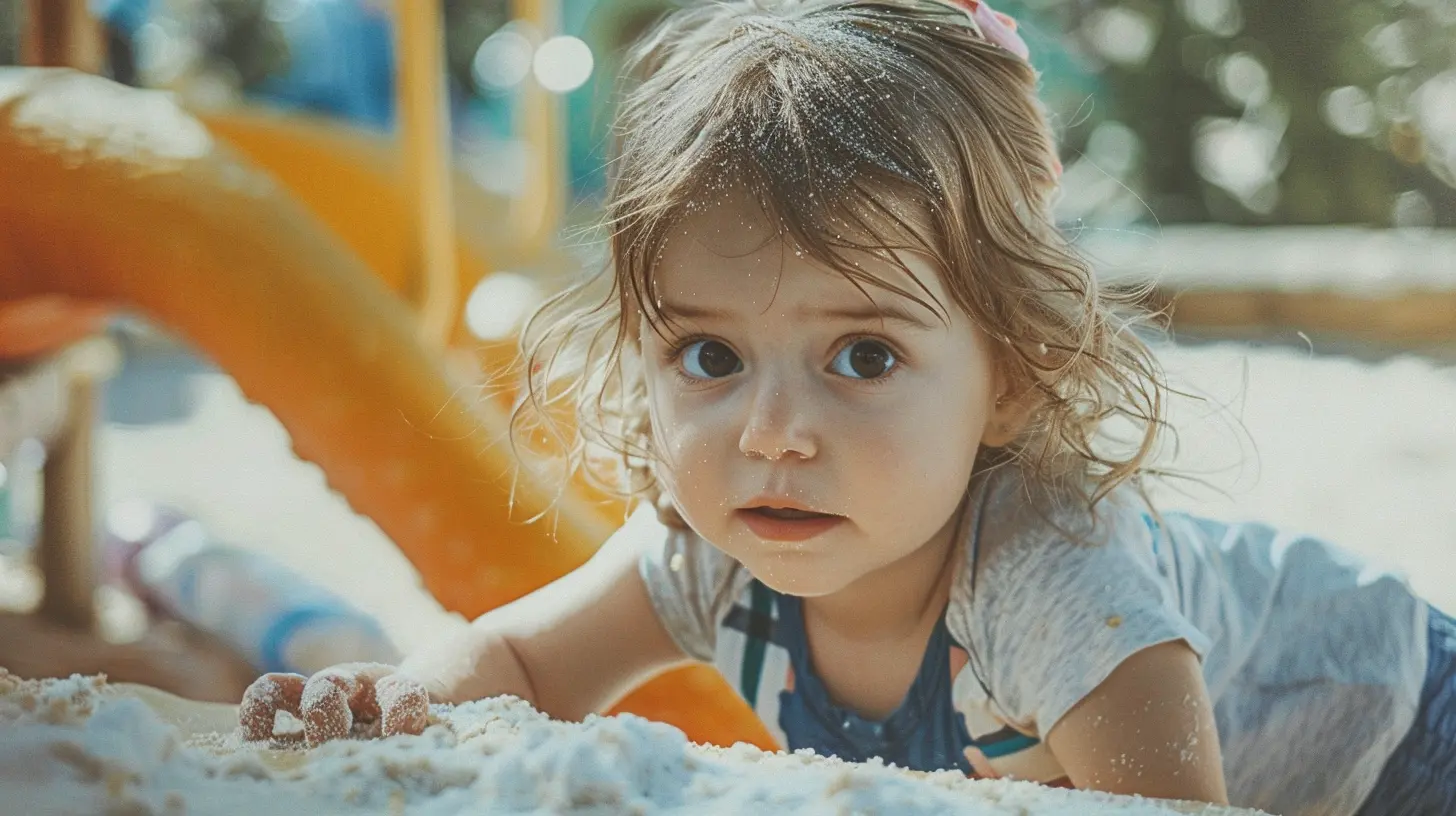
What Is Play, Really?
Before we go further, let’s clear something up. When we say “play,” we're not talking about just running around aimlessly or stacking blocks to pass the time. Sure, that’s part of it. But true play—especially in early childhood—is self-directed, imaginative, and packed with purpose.Think about it: when your toddler pretends to be a chef, they're not just being cute. They are:
- Practicing communication
- Learning sequencing
- Exploring cause and effect
- Using fine motor skills
In short? They’re doing serious learning, but in a way that feels like magic. 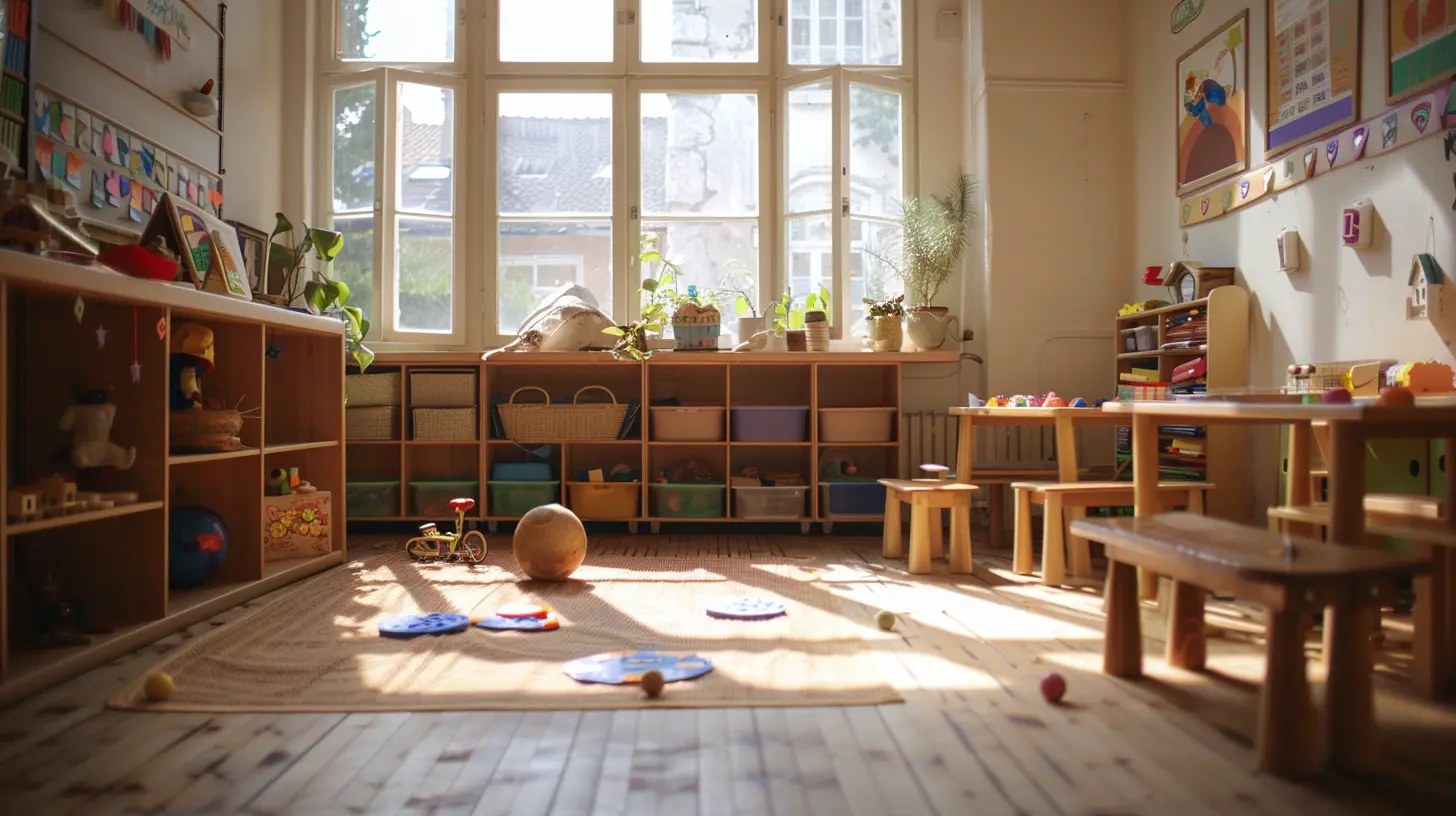
Why Play Deserves a Front Row Seat in Early Education
Let’s stop tiptoeing around it—kids are not little adults. Their brains aren’t built for sitting still, memorizing facts, or completing worksheets for hours. What their brains are built for is connection and discovery, and guess what delivers that in spades? Yep, play.Play isn’t just a nice bonus. It fuels:
1. Cognitive Development
Want a child who thinks critically, solves problems on the fly, and makes smart decisions? Encourage free play. When kids build a fort or figure out how to make their toy car go faster, they’re experimenting like tiny scientists.Play hones:
- Memory
- Attention span
- Strategic thinking
- Spatial reasoning
They might not be filling out a test, but they’re still doing some high-level brain work.
2. Language and Communication Skills
Ever eavesdrop on two preschoolers having a full-blown conversation while “shopping” in the living room? It’s gold.Play teaches kids to:
- Express their thoughts clearly
- Use new vocabulary
- Understand tone, body language, and social cues
Even solo play, like storytelling with dolls or action figures, boosts narrative thinking and literacy skills later on.
3. Emotional Intelligence
Let’s talk about emotional smarts, because honestly, what’s the point of raising a genius if they can’t manage their feelings or get along with others?When kids engage in pretend play, they process emotions in real time. If they've had a bad day, you might find them reenacting it with toys—working through the experience, finding resolution. That’s emotional regulation at work.
Plus, role-playing teaches empathy. They learn to walk in someone else’s shoes—sometimes literally.
4. Social Skills and Teamwork
Sharing, negotiating, problem-solving, compromising—it all goes down during playtime. Whether it’s a game of tag or building a Lego castle, kids learn to collaborate and navigate relationships.And here’s the beautiful part: social play teaches boundaries in a way no lecture ever could. If one kid bosses everyone around, others may walk away. Boom—natural consequence. The lessons stick.
5. Physical Development
Okay, this one’s obvious, but still worth shouting out. Play that involves movement—running, jumping, climbing—builds gross motor skills. Fine motor skills get shaped too, through activities like cutting paper or stringing beads.But here's the kicker: physical play isn’t just about fitness. It actually stimulates brain development and supports concentration and mental health too.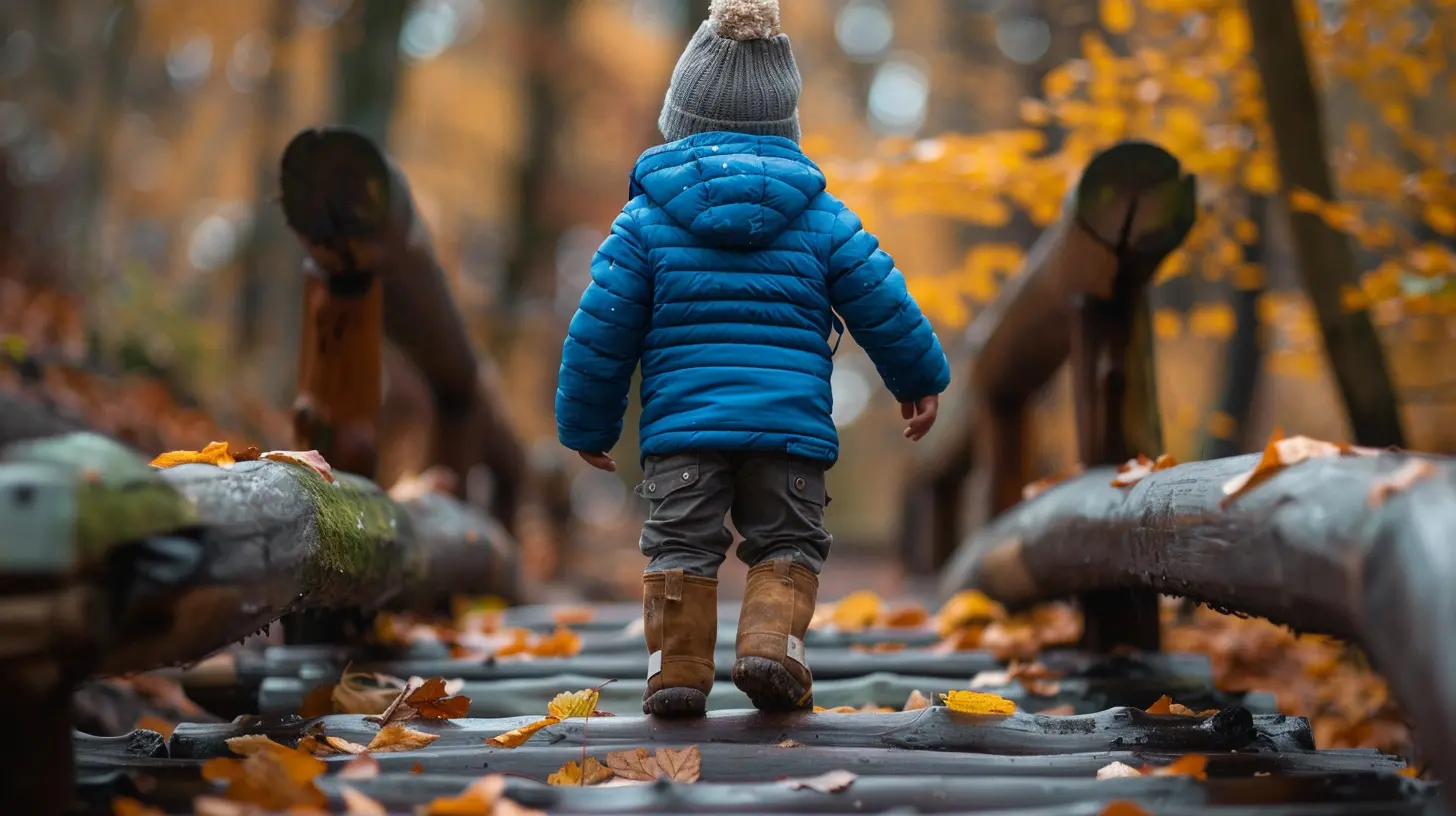
Types of Play That Pack a Punch
Not all play is created equal. Kids need a buffet of experiences to fully round out their development. Here’s a quick breakdown of some powerful types of play:🎭 Pretend Play (a.k.a. Imaginative or Dramatic Play)
This is where kids become superheroes, shopkeepers, or dinosaurs. It encourages creativity, empathy, problem-solving, and storytelling.🧩 Constructive Play
Think blocks, puzzles, LEGO sets, and craft projects. This kind of play builds fine motor skills, spatial understanding, and planning abilities. Plus, they get a confidence boost from creating something awesome with their own hands.👯 Social Play
Games with rules (like hide and seek), cooperative play, and team-building activities fall here. Kids learn fairness, turn-taking, and how to resolve conflicts.💬 Language-Based Play
Singing, rhyming, storytelling, and puppet shows. All great ways to build language and literacy skills with a heavy dose of fun.🧘♀️ Independent Play
This is solo time, where kids explore their own interests without adult interference. It builds concentration, independence, and self-awareness.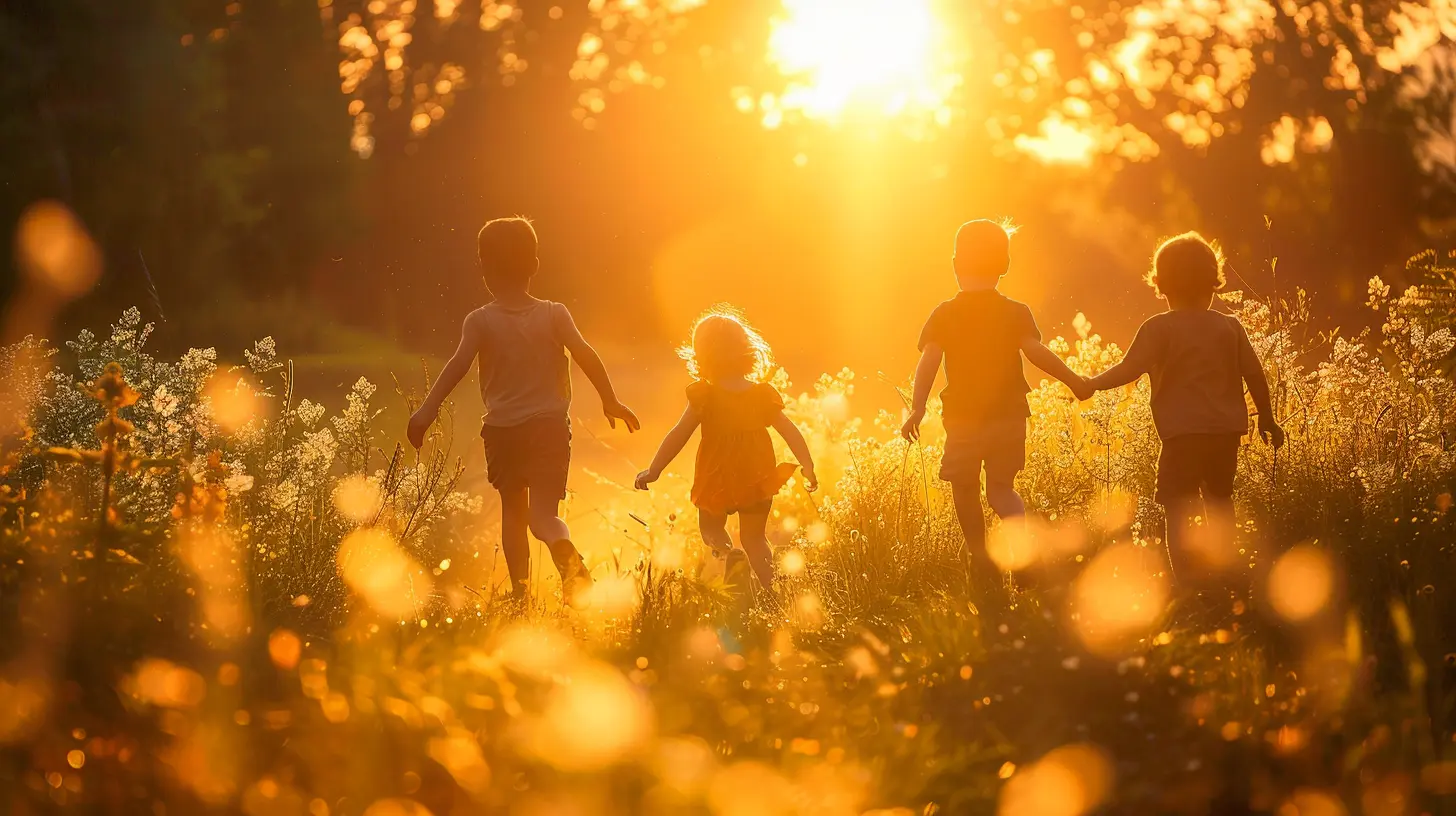
The Science Doesn’t Lie — Play Builds Brains
We’re not just saying this stuff because it feels good—it’s backed by hardcore research.Brain science tells us that in the first five years, a child’s brain is developing at lightning speed. Synapses form at a rate of 700 per second. No, that’s not a typo.
And the best way to strengthen those neural pathways? Meaningful engagement through play.
In short: the more kids play, the smarter and more emotionally equipped they become.
How Schools Can Embrace Play (Without Losing Structure)
Let’s be real—schools have standards to meet. So how do we balance that with the need for unstructured play? It’s not an either/or game. It’s about intentional integration.✅ Set up learning centers that invite open-ended exploration
✅ Use games to teach math and literacy concepts
✅ Allow movement breaks and outdoor recess (non-negotiable!)
✅ Train teachers to use play as a tool, not an afterthought
The goal isn’t to eliminate learning goals—it’s to teach through play, not around it.
What Parents Can Do at Home
Even if your child’s school leans more academic, don’t panic. You’ve still got power at home to foster a play-rich environment.Try this:
- Limit screen time and swap it for open-ended toys
- Encourage outdoor adventures (mud and mess included!)
- Let them get bored—seriously, boredom fuels creativity
- Carve out time for play, even on busy days
And most importantly? Join them in play. Put your phone down and be part of the world they’re building. Not only is it good for them—it’s a reminder of how joyful learning could (and should) be.
Stop Treating Play Like It’s Optional
Here’s the hard truth: when we undervalue play, we shortchange our kids. We rob them of the experiences that build resilient, curious, and emotionally intelligent humans. And for what? A few extra worksheets? A faster finish on the alphabet?It’s time to get unapologetic about protecting play, both at school and at home. Because we’re not just raising students—we’re raising thinkers, dreamers, builders, and leaders. And play is the foundation they’ll build it all on.
So the next time someone tells you play isn’t “real learning,” go ahead and laugh. Because deep down, you know better. You know that when a child plays, they’re not wasting time. They’re investing in their future.
Final Thoughts: Let’s Raise Playful, Powerful Kids
Here’s our call to action: Let’s stop waiting for permission to make play a priority. Whether you’re a parent, a teacher, or a grandparent—you have the power to champion play. Create space for it. Advocate for it. Protect it fiercely.Because play isn’t the break from learning. It is the learning.
And our kids? They deserve every second of it.
all images in this post were generated using AI tools
Category:
Education TipsAuthor:

Liam Huffman
Discussion
rate this article
2 comments
Eli McLemore
What a fascinating perspective on play in early childhood education! I'm curious about how different types of play—structured vs. unstructured—impact a child's development. Are there specific examples of activities that harness the power of play effectively? I'd love to hear more about how these insights can be applied at home!
January 24, 2026 at 4:40 PM
Liam Huffman
Thank you for your interest! Structured play, like guided games, fosters specific skills, while unstructured play, such as free exploration, nurtures creativity and problem-solving. Activities like building with blocks or imaginative role-play at home can effectively harness play's benefits, supporting holistic development.
Aris Cross
Playtime isn’t just fun—it's the secret sauce for little brains! Let them explore, learn, and giggle their way to greatness!
January 14, 2026 at 5:40 AM
Liam Huffman
Absolutely! Play fosters creativity, critical thinking, and social skills, laying a strong foundation for lifelong learning.