What to Do When Your Child Is a Stress Eater
3 February 2026
As parents, we want to ensure our kids are happy and healthy, both physically and emotionally. But what happens when food becomes their go-to coping mechanism for stress? If you’ve noticed that your child tends to reach for snacks when they’re upset, overwhelmed, or anxious, you might be dealing with stress eating. And while it might seem harmless at first—a cookie here, a bag of chips there—it’s important to address this behavior before it potentially spirals into an unhealthy relationship with food.
If you’re not sure where to start, don’t worry. You’re not alone in this. Let’s break it down and figure out how to help your child manage their stress without leaning on the pantry.
What Is Stress Eating, and Why Does It Happen?
Stress eating, also known as emotional eating, is when someone turns to food for comfort instead of hunger. For kids, this often looks like eating sugary or high-carb snacks during tough moments—like after a bad day at school or an argument with a sibling. But why?Stress triggers the release of cortisol, a hormone that can increase appetite and make you crave comfort foods. Think of cortisol as the body’s “fight or flight” alarm system, but sometimes, instead of running or fighting, we search for something soothing. For kids, food—especially sweets or salty snacks—feels like a quick fix for emotional overwhelm.
But here’s the thing: eating their feelings won’t solve the root problem, and it can lead to long-term issues like weight struggles or unhealthy coping mechanisms. So, what can you do to help?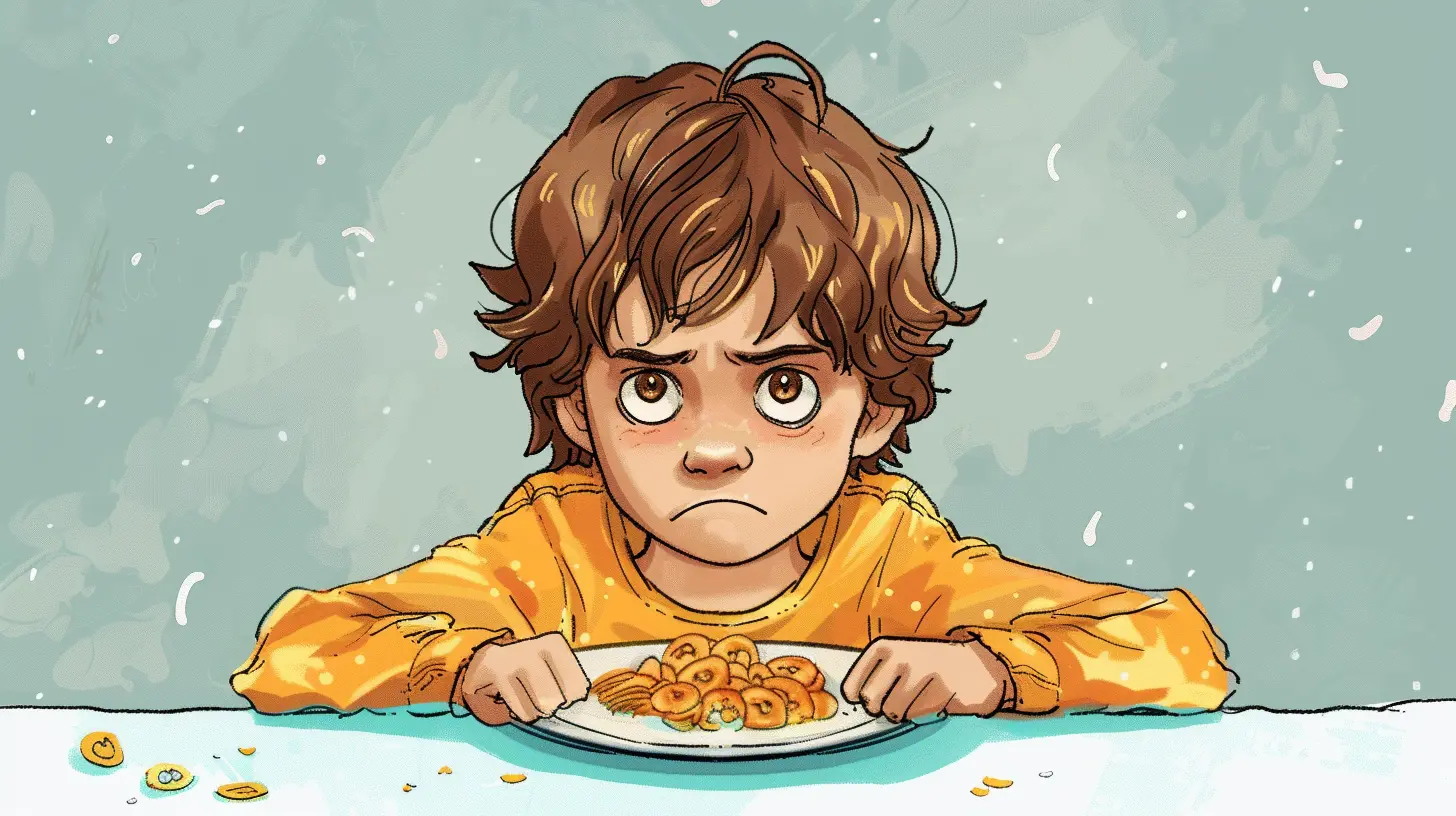
Signs Your Child Might Be Stress Eating
Before tackling the problem, it’s important to recognize the signs. Here are some clues your child might be stress eating:1. Eating when not hungry: If they’ve just had a meal but are still digging into a bag of chips, it might be emotional eating.
2. Craving specific comfort foods: Stress eaters tend to gravitate toward junk food (ice cream, candy, chips) rather than healthy snacks like fruits or veggies.
3. Sudden changes in eating habits: Have you noticed increased snacking during stressful moments, like exams or family tension?
4. Hiding food or sneaking snacks: This could be a sign of shame or secrecy surrounding their eating habits.
5. Using food as a reward: If they say things like, “I need chocolate because my day was so bad,” that’s a red flag.
Caught these behaviors? Don’t panic—there’s plenty you can do.
How to Address Stress Eating
Here’s the thing: stress eating isn’t about food—it’s about emotions. That means the solution isn’t just about changing what they eat, but addressing why they’re eating in the first place. Let’s dive into some actionable steps:1. Start the Conversation
First and foremost, talk to your child. This doesn’t mean lecturing them or making them feel bad. Instead, approach the topic gently. Something like:
"Hey, I’ve noticed that you’ve been snacking a lot lately when things get tough. I get it—sometimes food makes us feel better. But I want to help you find other ways to feel good when you're stressed. Can we talk about it?"
Make it clear that you’re coming from a place of love and support, not judgment.
2. Help Them Identify Triggers
To combat stress eating, it’s crucial to figure out what’s causing the stress. Is it schoolwork? Social pressures? Problems at home? Keep an open dialogue and help them reflect on their emotions. A good way to start is by teaching them to recognize their stress levels. Try asking:- "What’s been bothering you lately?”
- “When do you feel like snacking the most?”
- “How do you usually feel before and after eating snacks?”
Encourage them to connect the dots between their emotions and their eating habits. Journaling or drawing their feelings can also be a great way for kids to express what’s going on in their minds.
3. Offer Healthy Alternatives
Sometimes, kids want something to physically occupy themselves when they’re stressed. Instead of labeling snacks as "bad" or forbidding treats (which can backfire), stock up on healthier options. Swap out chips for air-popped popcorn, or offer yogurt with fresh fruit instead of ice cream.Pro tip: Make healthy snacks fun—cut fruits into shapes, create veggie “rainbows,” or involve them in snack prep. When healthy food looks appealing, they’re more likely to give it a try.
4. Model Healthy Coping Mechanisms
Kids learn by watching us, so if you’re stress eating, they’re more likely to do the same. Instead of reaching for comfort food when you’re feeling overwhelmed, show them healthier ways to cope. Here are a few ideas:- Physical activity: Go for a walk together, dance it out, or try family yoga. Exercise releases endorphins, which naturally improve mood.
- Deep breathing or mindfulness: Teach your child simple breathing exercises or meditation techniques. Even just a few minutes of calm can make a big difference.
- Creative outlets: Encourage drawing, journaling, or playing a musical instrument to help them process emotions.
Think of these activities as a toolbox. The more tools they have, the less likely they’ll rely on food to deal with stress.
5. Limit Unhealthy Snacks (But Don’t Completely Ban Them)
Out of sight, out of mind. If your house is overflowing with sugary and salty snacks, it’s going to be harder for your child to resist them. Cut back on the amount of junk food you buy—but don’t eliminate it entirely. Banning certain foods outright can make them way more tempting, like a forbidden treasure.Instead, aim for balance. It’s okay to enjoy treats occasionally, but they shouldn’t be the default stress reliever.
6. Create a Stress-Free Environment
Sometimes, stress eating is a reaction to an overly tense or chaotic environment. While you can’t shield your child from all stress, you can work to make home a safe and calming place:- Set a routine: Predictability can reduce anxiety. Try to establish regular mealtimes and bedtime schedules.
- Encourage open communication: Let them know it’s okay to talk about their feelings without fear of judgment.
- Reduce pressure: Whether it’s academic expectations or extracurricular overload, assess whether your child might benefit from some downtime.
7. Reward Positive Behavior
When your child starts using healthier coping mechanisms, celebrate that! Positive reinforcement can go a long way. Maybe they chose to journal instead of reaching for chips. Acknowledge it:"I’m so proud of you for finding another way to handle your stress. That takes a lot of strength!"
This reinforces their new habits and makes them feel good about their choices.
8. Consider Professional Help When Needed
If stress eating persists despite your best efforts, it might be time to seek help from a professional. A therapist or counselor can work with your child to address the underlying issues causing their stress. Sometimes, having an outside perspective (and a safe space to talk) makes all the difference.
Preventing Stress Eating in the Long Run
Prevention is always better than cure. Building healthy habits now will set your child up for lifelong emotional resilience. Here are some tips:- Teach about food and feelings: Help your child understand that food is fuel, not a fix for emotions.
- Encourage regular activity: Exercise and play aren’t just good for the body—they’re stress relievers too.
- Build their emotional intelligence: Teach them to name and manage their emotions. The more they understand themselves, the less likely they’ll turn to food for comfort.
- Be patient: Change takes time. Progress might be slow, and that’s okay.
Final Thoughts
Stress eating is more common than you might think, especially in kids navigating the ups and downs of growing up. As parents, our job isn’t to judge or punish them but to guide them toward healthier coping mechanisms. By being supportive, creating a balanced environment, and helping them understand their emotions, you’re setting them up for a healthier and happier future.Remember, it’s not about perfection—it’s about progress. You’ve got this. And so does your child.
all images in this post were generated using AI tools
Category:
Kids NutritionAuthor:

Liam Huffman
Discussion
rate this article
2 comments
Pilar Frank
Thank you for this insightful article. It’s comforting to know we’re not alone in navigating our children’s emotional challenges. Your practical tips and understanding approach will help many parents support their little ones through stressful times.
February 21, 2026 at 5:57 AM
Liam Huffman
Thank you for your kind words! I'm glad the article resonated with you and can help support parents during these challenges.
Ramona Johnson
Understanding their cravings can ease worries!
February 3, 2026 at 4:23 AM
Liam Huffman
Absolutely! Understanding cravings helps identify underlying emotions and can lead to healthier coping strategies for stress eating.